


 csrreporters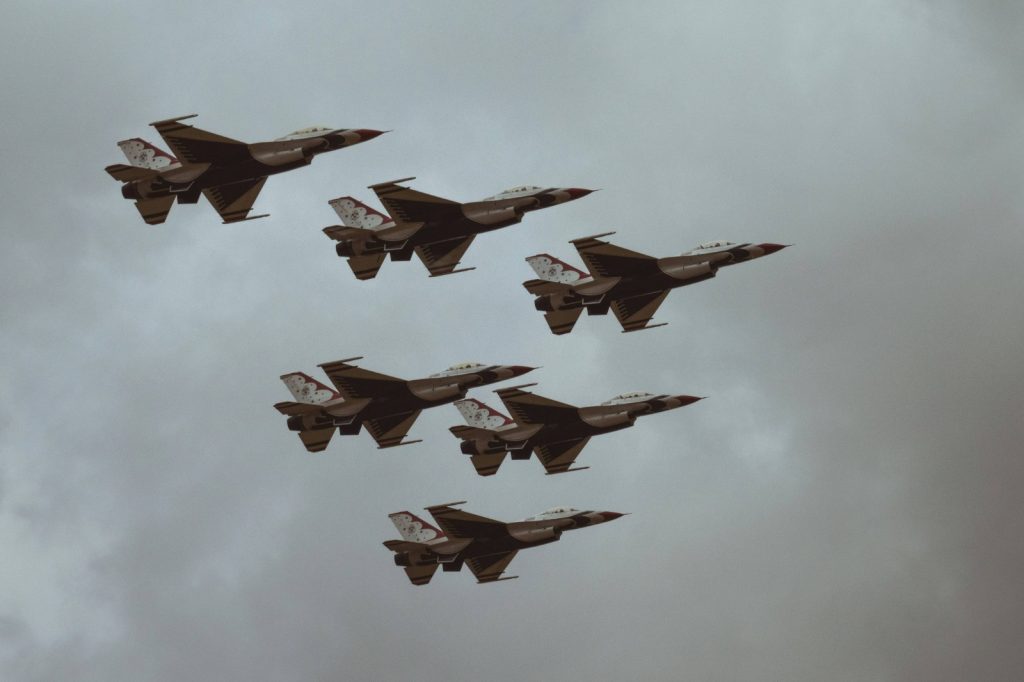
The War in Iran and its Nigerian Implications
By now, you have probably heard: The United States and Israel launched strikes on Iran starting February 28, 2026. Consequently, Iran shut down the Strait of Hormuz, the world’s most critical oil shipping route.
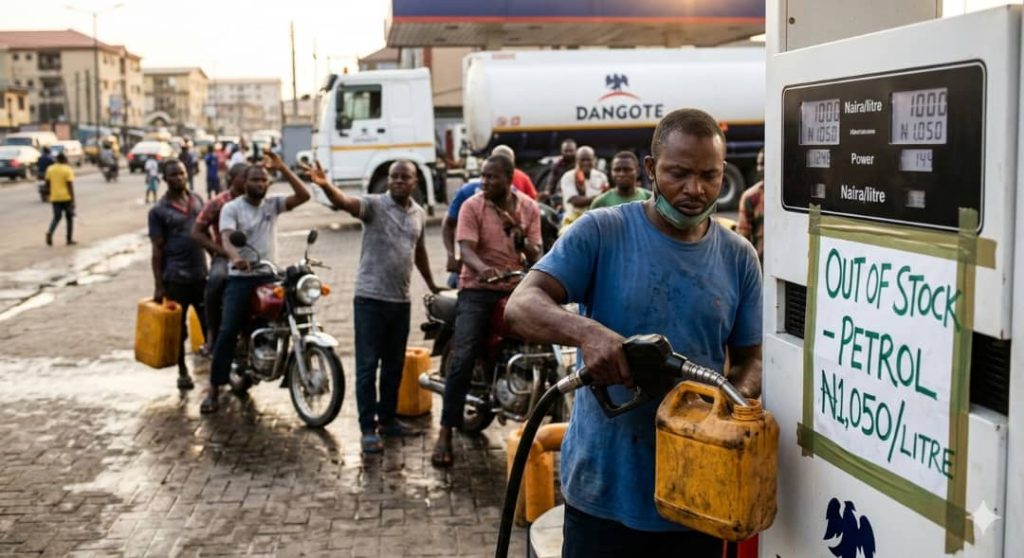
Meanwhile, back home in Nigeria, petrol is already selling above N1,000 per litre at many filling stations. Furthermore, Dangote Refinery has raised its ex-gantry price twice within a single week, hitting N995 per litre.
So, what exactly does a war in the Middle East mean for you, here in Lagos, Kano, Port Harcourt, Abuja or other parts of Nigeria? Read on.
1. Your Fuel Bills Are Going Up, Fast
First and foremost, let us talk about petrol. About 20% of the world’s oil supply flows through the Strait of Hormuz daily. Because Iran has effectively blocked that route, global crude prices have surged. As a result, Brent crude quickly jumped to around $82 per barrel. Analysts warn that prices could still climb toward $100.
Back home, Dangote Refinery, which had earlier stabilised local prices, warns that without domestic refining, petrol could hit N1,400 per litre. Petroleum Products Retail Outlets Owners Association of Nigeria (PETROAN) estimates N2000. Pump prices are already above N1,000 at many stations. Consequently, your transport costs, generator bills, and logistics expenses are all rising together.
2. Food Prices Will Climb Even Higher
Let’s think beyond the pump for a minute. Transporters move food from farms to markets using diesel and petrol. Therefore, as fuel prices rise, so does the cost of moving tomatoes from Kano, yams from Benue, and rice from Kebbi.
Furthermore, plastic packaging, derived from petroleum, also gets more expensive. As a result, everything from processed food to bottled water will cost more. Businesses with ESG commitments must, consequently, account for supply chain inflation in their community impact assessments. It’s time for companies to revisit their CSR food security programmes, because the need in local communities will only deepen.
3. The Naira May Come Under Fresh Pressure
Here is where it gets complicated. On one hand, higher oil prices mean more dollar revenue for Nigeria as an oil exporter. On the other hand, however, Nigeria still imports refined petroleum products, which costs more foreign exchange.
Moreover, global financial markets have become jittery since the war began. Therefore, emerging market currencies like the naira face heightened risk. Similarly, foreign investors may pull back from Nigerian assets.
Consequently, companies doing business in Nigeria, especially those with dollar-denominated costs, face fresh pressure on margins. From a governance standpoint, therefore, boards must stress-test their currency exposure right now.
4. Your Power Supply Could Worsen
And it was already bad! Nigeria’s electricity grid relies heavily on gas-fired power plants. The same gas that a chronic lack of, has caused worsening power cuts nationwide.
We Dissected How Here: Nigeria’s Power Collapse, A Silent Crisis Betraying Millions
Now in addition, the Iran conflict has disrupted global LNG supply significantly, since Iran has targeted Qatar’s gas facilities. China has also reportedly suspended diesel and gasoline exports, further tightening global supply. Therefore, gas-to-power projects in Nigeria could face higher feedstock costs.
The result, businesses running generators will pay even more! Consequently, manufacturers, hospitals, and telecom companies face growing energy costs, which directly affect their ability to deliver social value. From an ESG lens, therefore, this is a moment to accelerate renewable energy investment.
5. Inflation Will Hit the Most Vulnerable Hardest
Beyond business, however, let us talk about people. Chatham House analysts have noted that higher energy prices squeeze household purchasing power across emerging markets. Specifically, it is the urban poor and rural communities who feel this first and worst.
Consequently, companies with genuine CSR commitments must respond proactively. Social investment programmes targeting livelihoods, nutrition, and cash transfers become more important than ever. Similarly, ESG-rated investors should be asking Nigerian companies what concrete steps they are taking to protect stakeholder welfare. After all, a company’s social license to operate ultimately depends on community wellbeing.
6. The Case for Renewable Energy Just Got Stronger
Here is the silver lining, however. Wars like this one consistently remind policymakers and investors that fossil fuel dependence is a serious risk. Indeed, Bloomberg analysts have noted that the Iran conflict will force a fundamental rethink of global energy strategy.
Therefore, for Nigerian businesses, this is an accelerant, not just a threat. Companies that have already invested in solar, wind, or CNG infrastructure are, consequently, better insulated from the shock. For example, Dangote Refinery itself is deploying 4,000 CNG-powered trucks for fuel distribution. Therefore, the transition to cleaner, locally sourced energy is no longer just an ESG talking point, it is sound business strategy.
7. Corporate Accountability Is Now Non-Negotiable
Finally, and perhaps most importantly, this crisis is a corporate governance test. Globally, companies are under growing pressure to disclose how geopolitical risks affect their sustainability goals. Therefore, Nigerian companies must now do the same.
It is time for boards to show stakeholders, employees, communities, and investors, that they have a credible response plan. Additionally, supply chain transparency has never mattered more.
Companies that proactively communicate their risk mitigation strategies will build trust. Furthermore, those with robust ESG frameworks are already better positioned to absorb these shocks. Ultimately, therefore, the Iran war is not only a foreign affairs story, it is a Nigerian business story, unfolding right now.
Bottom Line
The Strait of Hormuz is far away, but its effects are already at your fuel station, in your food market, your electricity bill, and your business plan. Therefore, whether you are a CEO, CSR manager, or everyday Nigerian, now is the time to act, not to wait. For our business professionals, let your company’s response to this crisis define its ESG commitment in real terms, not just on paper.
[give_form id="20698"]