csrreporters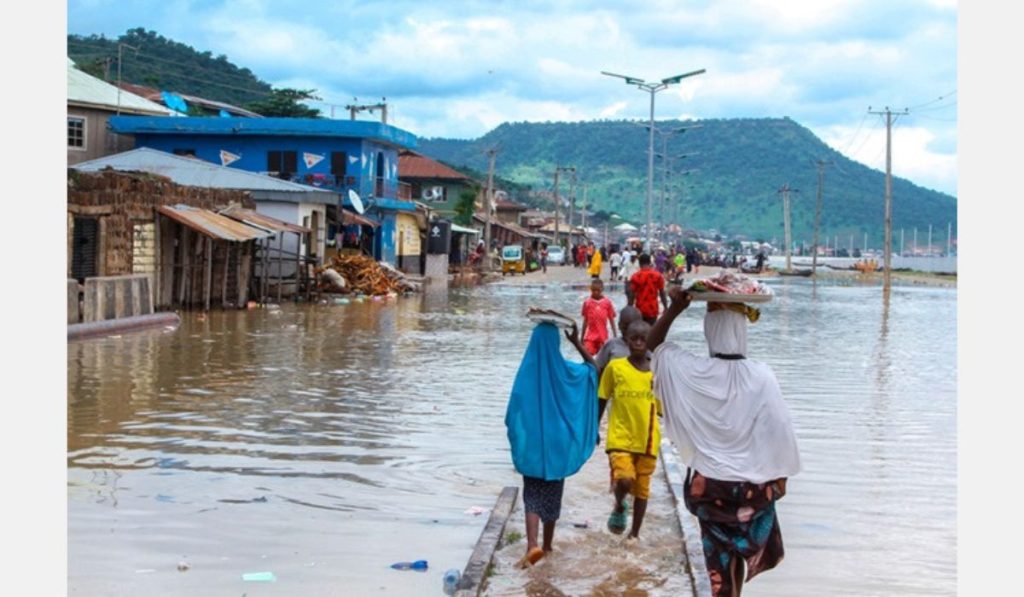
The United Nations, through its Central Emergency Response Fund (CERF), has allocated $5 million to support anticipatory action against predictable humanitarian crises in Nigeria. This initiative was announced by the UN’s Humanitarian Coordinator in Nigeria, Mohamed Malick Fall, who emphasized the need for proactive intervention based on strong risk analysis.
“Anticipating and acting ahead of crises such as floods saves lives. It also helps to protect people’s livelihoods, which in turn reduces their vulnerability,” Fall stated. He further highlighted that in a global landscape of declining humanitarian funding, early intervention is not only cost-effective but also mitigates the worst impacts of emergencies.
This funding complements the Nigerian government’s efforts through the anticipatory action taskforce, which includes key agencies such as the Nigerian Meteorological Agency (NiMet), the Nigeria Hydrological Services Agency, and the National Emergency Management Agency. Coordinated by the Office of the Vice President in collaboration with the UN Office for the Coordination of Humanitarian Affairs (OCHA), the initiative aims to enhance preparedness and minimize disaster impact.
Read also: EU Allocates €510 Million for Humanitarian Aid in Sub-Saharan Africa, Including Nigeria
OCHA, which manages CERF and the Country-Based Pooled Funds (CBPFs) like the Nigerian Humanitarian Fund (NHF), is leading anticipatory action efforts globally. In October 2024, CERF released $5 million to address flood-related emergencies in Borno, Bauchi, and Sokoto states, complementing a $6 million NHF allocation. These funds played a crucial role in responding to large-scale floods that displaced an estimated 400,000 people in Borno State alone, destroying vast farmlands and livelihoods.
According to NiMet’s 2025 Seasonal Climate Prediction forecast, northern states—including Bauchi, Borno, Jigawa, Kano, Katsina, Sokoto, Yobe, and Zamfara—are expected to experience the onset of the rainy season between early June and July 2025. This period coincides with the lean season when food insecurity and malnutrition rise, alongside increased risks of flooding and disease outbreaks such as cholera.
Nigeria’s 2025 Humanitarian Needs and Response Plan (HNRP) has adopted a risk-informed, proactive approach, allocating 5% ($45 million) of its total $910 million funding requirements to anticipatory action. However, with the latest CERF allocation covering only 11% of this requirement, urgent additional funding is needed to scale up early response efforts and safeguard vulnerable communities.
This proactive approach underscores the importance of timely intervention in mitigating disasters, preserving lives, and reducing the overall cost of humanitarian response in Nigeria.
[give_form id="20698"]