World Book and Literacy Day: Why Corporate Nigeria Must Champion Literacy for a Sustainable Future
 csrreporters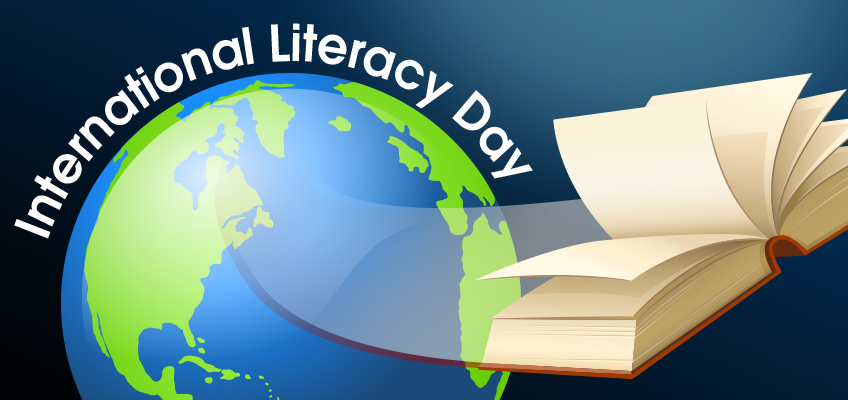
World Book and Literacy Day: Why Corporate Nigeria Must Champion Literacy for a Sustainable Future
Every April 23, the world comes together to celebrate World Book and Literacy Day, a UNESCO initiative to promote the love of reading, publishing, and the protection of intellectual freedom. Yet beyond the celebrations, this day reminds us of a profound truth: literacy is not just about reading books — it is the bedrock of sustainable development and a key driver in achieving the Sustainable Development Goals (SDGs).
In Nigeria today, where literacy rates are still struggling and the culture of reading is waning among young people, World Book and Literacy Day calls for urgent reflection and action — particularly from corporations and social impact leaders.
Literacy and the SDGs: The Critical Connection
At the heart of the SDGs lies a vision of a more equitable, prosperous, and sustainable world. Literacy directly underpins several of these goals:
- Goal 4: Quality Education – Literacy is foundational to lifelong learning and access to better opportunities.
- Goal 1: No Poverty and Goal 8: Decent Work and Economic Growth – Literate individuals are more likely to access better employment opportunities and lift themselves and their communities out of poverty.
- Goal 5: Gender Equality – Promoting literacy, especially among girls, empowers women and fosters inclusive societies.
- Goal 10: Reduced Inequalities – Access to reading and education reduces gaps between different societal groups.
- Goal 16: Peace, Justice, and Strong Institutions – Literate citizens are more engaged, better informed, and contribute actively to governance and democracy.
Simply put, without a strong literacy culture, the dream of a sustainable and inclusive Nigeria is far from reality.
The Alarming Decline of Reading in Nigeria
Despite these clear links, Nigeria faces a growing crisis: a declining reading culture, particularly among youth. Many young Nigerians are increasingly drawn to fast paths to wealth, influenced by a social media-driven “get-rich-quick” culture that often sidelines the importance of intellectual development, creativity, and critical thinking.
This shift undermines national development. A society where reading and learning are devalued risks producing a workforce ill-equipped for innovation, leadership, or responsible citizenship. It risks widening inequality and slowing sustainable progress.
How Organizations Can Make a Difference
Corporate Social Responsibility (CSR) initiatives have a crucial role to play. Organizations must see literacy promotion not as charity, but as a strategic investment in their future markets, employees, and society at large.
Here are key ways companies can support reading culture development:
- Partner with Schools: Adopt schools to support their libraries, supply books, train teachers in modern reading methods, and organize reading clubs and competitions.
- Host Reading Campaigns: Launch public literacy campaigns with incentives, especially targeting secondary school students and underprivileged communities.
- Support Local Publishing: Invest in local authors and publishers, ensuring that young Nigerians have access to relatable, high-quality reading material.
- Promote Digital Literacy: In the digital age, reading is no longer confined to physical books. Providing access to e-books, online libraries, and digital storytelling platforms can bridge gaps, especially in rural areas.
- Create Mentorship Programs: Pair young people with mentors from various sectors who can inspire a culture of continuous learning and intellectual curiosity.
Literacy as a CSR and Sustainability Imperative
If organizations are serious about achieving their sustainability and CSR goals, literacy must become a priority. Educated, well-read individuals are more likely to build businesses, lead communities, and solve pressing societal challenges.
As we mark World Book and Literacy Day, CSR leaders must ask: what legacy are we leaving? A society fueled by fleeting wealth without wisdom, or one driven by knowledge, innovation, and sustainable growth?
The answer begins with a book. And the time to act is now.
[give_form id="20698"]