csrreporters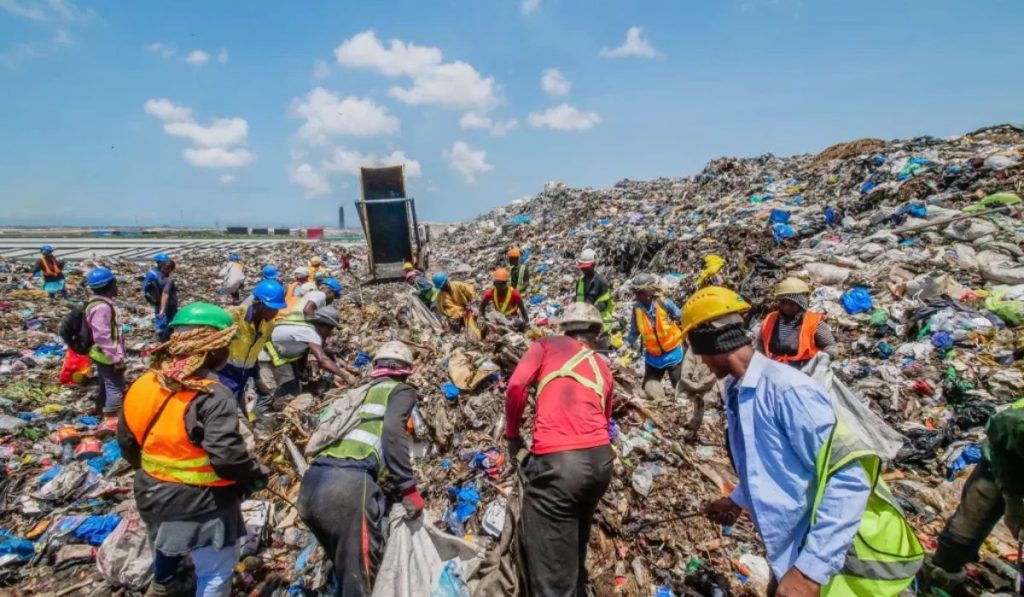
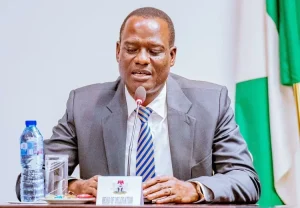
Lagos Waste Management Authority (LAWMA) is turning trash into treasure—and calling on Nigerians to do the same. According to Dr. Muyiwa Gbadegesin, Managing Director of LAWMA, waste is no longer just a nuisance but a powerful economic asset.
The Economic Value of Recycling
Speaking in a statement signed by LAWMA’s Director of Public Affairs, Mrs. Folashade Kadiri, Gbadegesin emphasized the shift towards a circular economy.
“What people call waste is actually money,” he said. “We must reduce, reuse, and recycle to build a sustainable future.”
He urged Lagos residents to sort waste at source. With separate bins for paper, plastic, textiles, and general waste, individuals can trade recyclable materials for cash or incentives.
Read also: LAWMA Apprehends 300 Persons for Waste Disposal Offences
Private Sector and Waste Innovation
Dr. Gbadegesin also called on private businesses to expand their role in recycling. While many companies handle waste collection, few invest in waste-to-wealth innovations.
Private partnerships can create jobs
Investment in recycling boosts GDP
Waste-tech solutions offer scalable opportunities
LAWMA’s partnership with startups like GreenDeall exemplifies this vision. A new recycling plant at Abule-Egba will convert plastic into industrial oil, proving that sustainability and profit can go hand in hand.
From Landfills to Resource Centers
As Lagos prepares to decommission the Olusosun and Solous landfills, LAWMA is building:
Transfer Loading Stations (TLS)
Material Recovery Facilities (MRFs)
These will allow for efficient sorting and processing, further unlocking the economic value of waste.
Investing in Youth and Education
LAWMA is also investing in the next generation. Through its Academy for Waste Management, the agency:
- Trains students on eco-friendly practices
- Offers internships to undergraduates
- Distributes thousands of recycling bins to schools
Two modern recycling hubs will soon open in Yaba, where students will manage sorting systems for metal, paper, and organic waste.
Changing Mindsets for Long-Term Impact
Despite the growing infrastructure, Gbadegesin stressed that real change begins with behavior.
“Infrastructure is not enough,” he noted. “We must reshape public attitudes and involve young people.”
Sustainability as a Catalyst for National Growth
Sustainable waste management does
more than clean the environment, it drives economic growth. By promoting recycling and supporting eco-entrepreneurs, Nigeria can:
- Reduce unemployment
- Improve industrial outputs
- Strengthen environmental resilience
For a thriving economy, sustainability and philanthropy must remain at the heart of national development strategies.
[give_form id="20698"]