UN Warns: Soaring Global Demand for Gold and Minerals Driving Corruption and Instability in Africa
 csrreporters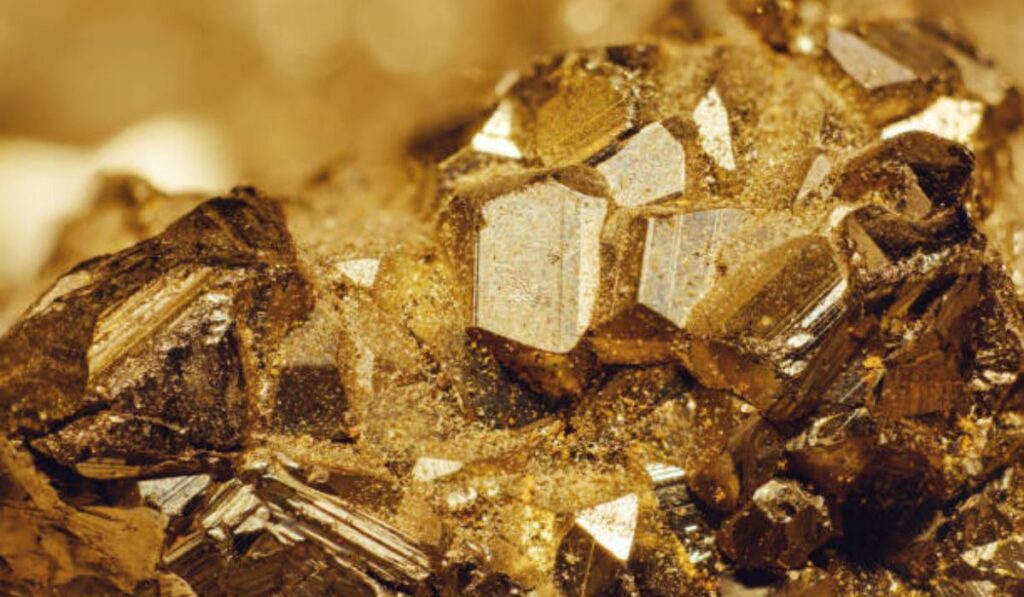
Gold
A new report from the United Nations Office on Drugs and Crime (UNODC) has raised
alarm bells over the growing global appetite for gold and critical minerals, warning that the
rush is fuelling systemic corruption, armed conflict, and environmental degradation across
Africa and other resource-rich regions.
The report, titled “Beneath the Surface: Illicit Financial Flows from Africa’s Mineral
Wealth”, reveals that while minerals like cobalt, lithium, gold, and coltan are powering the
green energy and tech revolutions, their extraction in many African countries is being
exploited by criminal networks, insurgent groups, and corrupt elites.
“The same minerals that power our smartphones and electric vehicles are also powering
instability, exploitation, and conflict in parts of the world,” said Ghada Waly, Executive
Director of UNODC. “If we do not act urgently to promote transparency and ethical sourcing,
we risk deepening the vulnerabilities of already fragile communities.”
The report estimates that billions of dollars in mineral revenues are lost annually to illegal
mining and smuggling, especially in nations like the Democratic Republic of Congo, Mali,
Burkina Faso, and Sudan — where state oversight is weak and governance challenges persist.
Read also: How Jodip Gold Limited became a force to reckon with in mining industry – Ajefu Joseph
“In the Sahel, armed groups have found a lucrative new revenue stream in the informal
mining sector,” said Dr. Charles Mbaye, a regional conflict analyst based in Senegal. “They
extort, traffic, and smuggle with near impunity, funding weapons and undermining peace
efforts.”
Artisanal and small-scale miners — many of whom operate without licenses or protections —
often face exploitation, dangerous working conditions, and child labor abuses. Women and
children are particularly vulnerable.
“We dig because we must survive, but we do so without safety, without rights, and without a
future,” said Aminata Doumbia, an artisanal gold miner from Mali interviewed for the UN
study.
The UNODC is urging governments and multinational corporations to enforce stronger due
diligence protocols and to invest in formalizing the artisanal mining sector. It also calls for
international cooperation to trace and certify minerals from mine to market.
“Consumers, investors, and companies all have a role to play in demanding clean supply
chains,” said Dr. Ifeanyi Ogbonna, a Nigerian CSR and sustainability expert. “It’s time we
align economic progress with ethical responsibility.”
Some multinational companies are beginning to respond. Chevron, Apple, and Tesla, among
others, have publicly committed to ethical sourcing of minerals, though enforcement remains
inconsistent.
“Voluntary commitments are no longer enough,” said Prof. Nnenna Umeh, a governance
specialist at the University of Lagos. “We need binding regulations and community-led
accountability systems.”
With Africa poised to become a cornerstone of the global clean energy transition, the report
concludes that responsible mineral governance must be prioritized — or the continent’s
mineral wealth could remain more of a curse than a blessing.