President Tinubu Defied the Odds, Crushed Ruthless Food Cartels.
 csrreporters
The Social Cost of Hoarding and The Positive Impact of Tinubu’s Strategy
The Social Impact of Outwitting Hoarders – Why It Matters for Everyday Nigerians.
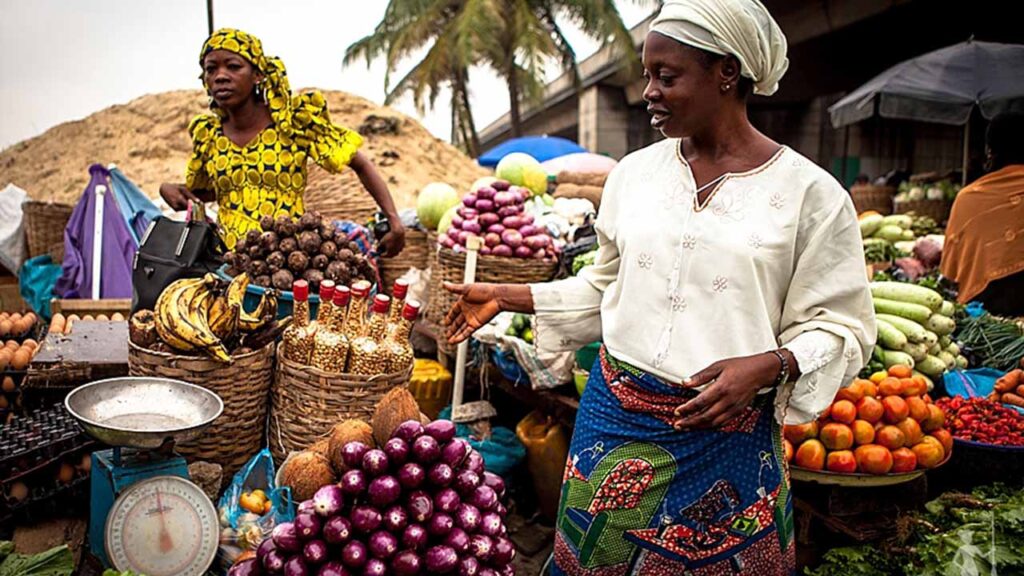
In Nigeria, where the fluctuating price of a bag of rice often seems like a puzzle entangled in the complexities of subsidies, a significant event has unfolded, one that will resonate in the hearts of many for years to come. This was not just another government promise; it was a moment of delivery, and Nigerians are beginning to experience the difference in their daily lives.
President Bola Tinubu’s administration has accomplished what many deemed politically reckless: the removal of fuel subsidies and the unification of foreign exchange rates. Beyond the economic terminology lies a deeply human narrative; one of food security, survival, social justice, and the reclaiming of economic power from the profiteers who have long exploited market conditions, leaving everyday Nigerians at their mercy.
As a result, this shift not only impacts families but also signifies a broader movement towards economic fairness. By addressing the roots of hoarding and market manipulation, the administration has initiated a path toward greater equity and stability.
From Policy to Plate: The Return of Affordable Rice
Remember when rice became a luxury item? When wedding jollof had to be rationed, and mama switched to spaghetti because rice had become too “golden” for everyday Nigerians? This wasn’t merely a case of inflation; it was manipulation, hoarding and cartels exploiting the system, banking on the government to buckle under pressure. But this time, they lost.
Beyond the economic implications, this represents a significant social victory. In a nation where hunger has emerged as one of the most critical humanitarian crises, any measure that lowers food costs is not merely a policy adjustment; it’s a lifeline. This is Corporate Social Responsibility in Nigerian-style, driven not by businesses but by a government that is willing to adopt a long-term vision and act with courage.
The Social Cost of Hoarding and The Positive Impact of Tinubu’s Strategy
In a nation grappling with food insecurity, hoarding food is not merely an economic crime, it is a moral injustice. The culprits are not merely faceless cartels; they are businesses with identifiable names, owners, and bank accounts. Their greed results in dire consequences: empty plates in Makurdi, children missing school lunches in Kano, and alarming rates of undernourishment in Okokomaiko.
This administration’s decisive action has not only led to a dramatic decrease in rice prices but has also sparked a crucial discussion about corporate responsibility in Nigeria. Who is profiting from the suffering of the people, and who is stepping up to advocate for the community?
This shift may seem subtle, yet it embodies a quiet revolution. Revolutions don’t always erupt with grandeur; sometimes, they manifest through everyday market transactions, reflected in the return of affordable garri, and most importantly, in the smiles of mothers who can now provide for their families.
What Comes Next?
CSR Reporters believes this is just the beginning. The government must now take decisive action, not only regarding rice but across the entire food value chain. It’s essential to support local producers and protect small-scale farmers from exploitation. Additionally, we need to ensure transparency in warehousing and pricing. Perhaps most importantly, we should start holding food cartels accountable, just as we do with oil barons and forex manipulators.
We must stop viewing hunger as mere collateral damage of reform. Instead, let’s recognise it as a social emergency, an issue that policy can address effectively, but only with moral clarity and political will.
[give_form id="20698"]