csrreporters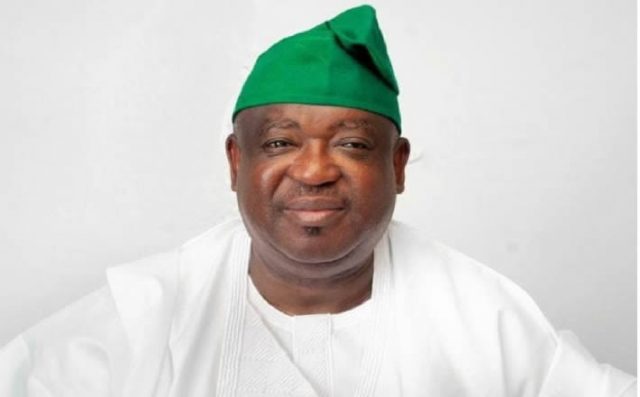
In a strategic move to address Plateau State’s growing environmental challenges, Governor Caleb Mutfwang has initiated a partnership with the World Bank to develop a robust institutional framework that will produce accurate, actionable data for mitigating floods, droughts, and other climate-related disasters.
The announcement came during an interactive session on Friday at the Governor’s Lodge, Asokoro, Abuja, where Governor Mutfwang received a delegation from the World Bank led by Mr. Francis Nkoka, Senior Disaster Management Specialist, and Mr. Oluwaseun Ayodele, Urban Development Specialist.
In a statement released by the Governor’s Director of Press and Public Affairs, Gyang Bere, the governor expressed gratitude to the World Bank for extending technical and strategic support to subnational governments, including Plateau, which has been grappling with recurring flooding, prolonged droughts, and water shortages, particularly in the Southern Senatorial Zone.
“Accurate and up-to-date data will guide effective planning and ensure that government interventions are targeted and impactful,” Mutfwang stated.
He emphasized the importance of integrating urban renewal policies with both structural and non-structural strategies such as land use planning, building code enforcement, and the development of early warning systems to mitigate the impact of flooding.
Governor Mutfwang also commended the Plateau State Disaster Management Agency for its efforts in driving disaster prevention and community resilience programs across the state.
“Flooding remains one of the most common disasters we face, but we are also contending with drought in the Southern Zone. Recently, we experienced nearly three weeks without rainfall, which destroyed early crops planted by our farmers,” he said.
He highlighted the ACReSAL Project—an environmental initiative being implemented in the state—as part of ongoing interventions, but noted that it falls short in addressing the economic recovery needs of drought-affected communities.
“We must bridge that gap by investing in inclusive plans such as irrigation systems and sustainable agriculture to reduce dependency on seasonal rainfall,” he added.
Governor Mutfwang reiterated his administration’s focus on rural infrastructure, particularly road networks, to enhance connectivity and agricultural productivity. He acknowledged progress under the Rural Access and Agricultural Marketing Project but stressed the need for deeper, state-wide integration.
“Data is central to everything we plan to achieve. This is why our partnership with the World Bank is crucial in meeting the real needs of Plateau people—especially in rural areas where the majority of our population lives,” the governor said.
In their remarks, World Bank specialists Nkoka and Ayodele emphasized the importance of creating an institutional structure to enhance development planning and climate resilience across the state.
[give_form id="20698"]