csrreporters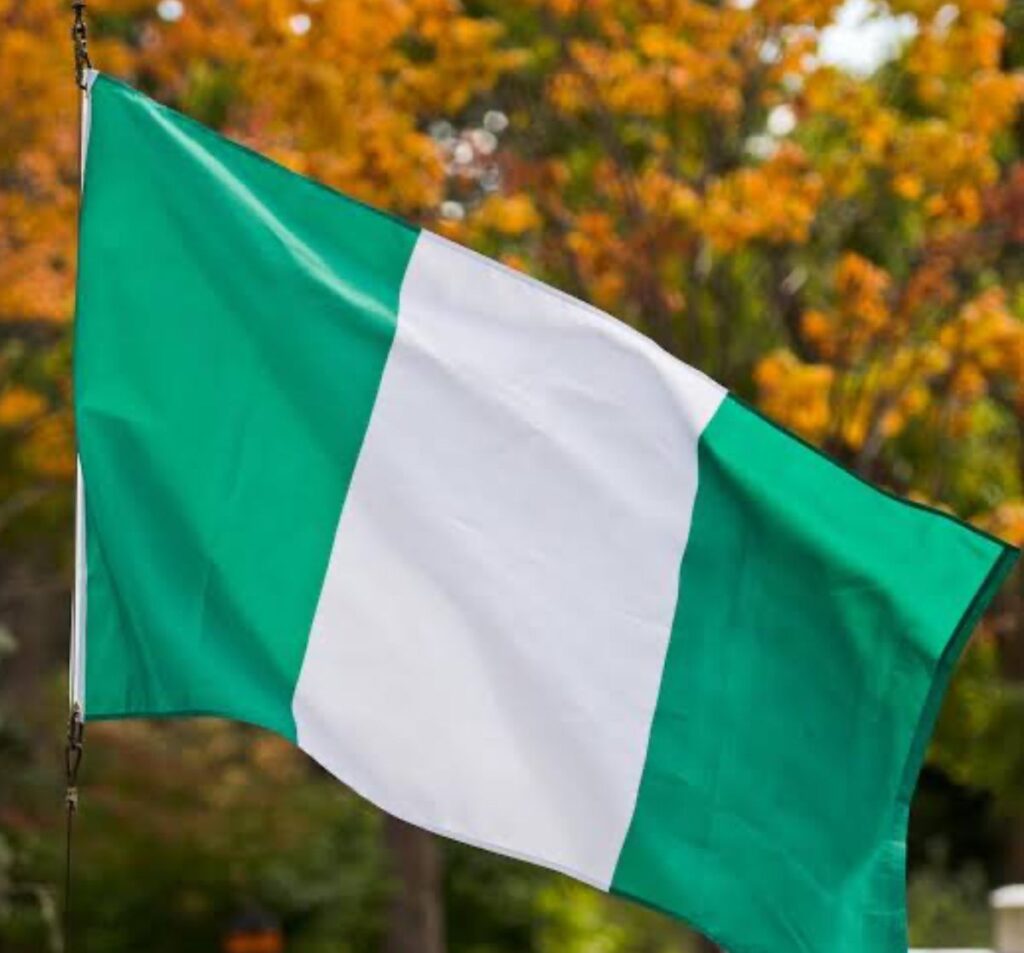
As Nigeria celebrates 65 years of independence, the commemoration extends beyond festivities; it has become a national moment for reflection, renewal, and shared responsibility. Analysts say the milestone is not just about looking back at political sovereignty but about reimagining the country’s socio-economic future in the light of collective action.
Nigeria’s journey since 1960 has been defined by resilience and reinvention. From its rich cultural diversity to its expanding entrepreneurial class, the country has continued to overcome daunting challenges while charting new paths of growth. The role of Micro, Small, and Medium Enterprises (MSMEs) remains particularly vital, accounting for over 80% of employment and contributing significantly to GDP. Meanwhile, young Nigerians are leveraging digital innovation to lead in technology, creative industries, and the global knowledge economy.
However, stakeholders stress that independence must go beyond symbolism. It requires inclusive development, equitable access to opportunities, and a sense of shared prosperity. The government, private sector, and civil society all have a role to play in bridging infrastructure gaps, deepening social investment, and promoting ethical governance.
Corporate Social Responsibility (CSR) has become central to this conversation. Across industries, companies are increasingly aligning their CSR and sustainability programs with national priorities in education, healthcare, job creation, and climate action. These interventions not only uplift communities but also reinforce the idea that businesses thrive best in a society where people and systems are empowered.
As the green and white flag is raised this Independence Day, it stands as more than a national emblem. It is a symbol of unity, integrity, and the promise of a brighter future one that requires both citizens and institutions to contribute actively to nation-building.
[give_form id="20698"]