csrreporters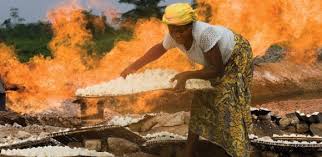
For decades, residents of oil-producing communities in Nigeria’s Niger Delta have lived under the glow of gas flares—breathing polluted air, watching crops fail, and grappling with health challenges linked to environmental degradation. Now, the Federal Government says the Gas-Flaring Commercialisation Programme (NGFCP) could begin to change that narrative.
The programme, which allows private investors to capture and commercially utilise gas that would otherwise be flared during oil production, is being positioned not only as a climate solution but also as a pathway to healthier communities and inclusive economic development.
Gas flaring has long been associated with respiratory illnesses, acid rain, soil infertility, and water contamination in host communities. Farmers and fishers in affected areas have repeatedly raised concerns about declining yields and livelihoods, while community leaders have called for solutions that go beyond fines and regulations.
By converting flare gas into electricity, cooking gas, and other energy products, the NGFCP aims to reduce pollution at the source and create tangible benefits for communities living closest to oil facilities. Government estimates suggest the initiative could attract up to $2 billion in investment, generate as much as 3 gigawatts of power, and significantly cut carbon emissions annually.
Crucially, the programme is expected to open up new employment opportunities for local residents, including technical, operational, and support roles across flare-capture projects. Energy experts say this could help address long-standing grievances over exclusion from economic benefits derived from oil and gas operations.
The initiative also aligns with Nigeria’s drive to expand access to clean cooking fuels, particularly in rural and peri-urban communities. By increasing the availability of liquefied petroleum gas (LPG) and compressed natural gas (CNG), the programme could reduce dependence on firewood and charcoal—easing pressure on forests and improving household health, especially for women and children.
Community advocates have, however, stressed that implementation will be key. Past efforts to reduce gas flaring have been undermined by weak enforcement and limited community engagement. Civil society groups are calling for transparency in project allocation, strict environmental standards, and mechanisms to ensure host communities benefit directly from flare-commercialisation projects.
Environmental analysts also point out that while gas remains a fossil fuel, reducing flaring represents an immediate and practical step toward lowering emissions in Nigeria’s oil and gas sector as the country gradually expands renewable energy capacity.
As Nigeria moves forward with the NGFCP, residents of oil-bearing communities are watching closely. For many, the success of the programme will not be measured only in megawatts or investment figures, but in cleaner air, restored livelihoods, and a future where economic progress no longer comes at the expense of community well-being.
By: Gloryann Osang
[give_form id="20698"]