csrreporters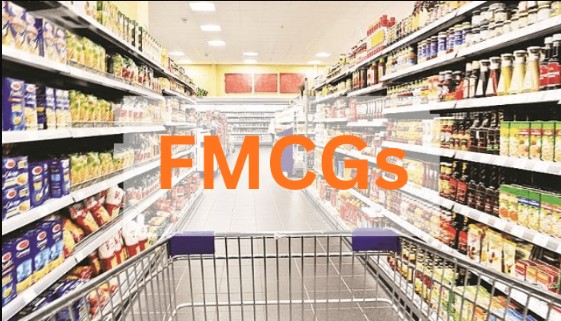
CSR in the ‘Stomach Infrastructure’ Economy
Mere visit to the cacophonous heart of Lagos’s Mile 12 Market or Nairobi’s Gikomba will reveal the term “CSR” is an alien language for sure. Here, the currency of trust and survival is far more visceral. Let us even call it what it truly is: “Stomach infrastructure”
The term, “Stomach infrastructure” is a raw, Nigerian-coined political phrase that has evolved into a fundamental social contract. It speaks to the immediate, tangible needs of food, basic sustenance, and economic survival. For the millions of micro-retailers, kiosk owners, and market women who form the backbone of Africa’s Fast-Moving Consumer Goods (FMCG) sector, this no longer a metaphor.
Consider Mama Chinedu, who sells your brand of noodles and soft drinks from a wooden shed by a dusty roadside in Onitsha. Her business is vulnerable to the elements, theft, and her own health. A CSR initiative that understands stomach infrastructure doesn’t give her a branded umbrella. It would rather partners a fintech to offer her affordable, digitally-managed micro-insurance for her stock. No, it would not just host a one-day health check. It will integrate a mobile healthcare provider to give her and other agents in your network access to discounted telemedicine and medication.
Still wondering but this was the insight behind a pilot by a major beverage company in Kenya, partnering with a health tech firm to offer its vast network of small retailers access to pre-paid doctor consultations. The result was healthier traders, less downtime, and a powerful, practical reason for loyalty that no competitor’s discount could match. You see? You are not just securing your sales outlet, you are investing in the stability of a small business owner’s life, and she will remember who stood with her. It then means also that the first pillar is Trader Resilience and not just product placement.
The second pillar is Weaponising Waste into Working Capital. It is common knowledge that the informal market generates a tsunami of post-consumer waste – your own packaging. This litter is not just an environmental eyesore, it’s a missed economic opportunity and a source of tension with communities. Now think of a transformative CSR model turns this problem into a pillar of stomach infrastructure. Imagine a system where your brand sponsors the collection of plastic sachets and bottles through a network of waste aggregators in the market. These materials are sold to recyclers, and the revenue is funneled into a “Market Association Development Fund.” This fund, co-managed with the traders, finances concrete improvements: installing shared solar-powered cold storage for perishable goods, building proper lock-up stalls, or providing emergency grants for traders affected by fire or flood. You would end up cleaning up as well as creating a circular economy that financially benefits the market ecosystem which you depend on, directly addressing the “stomach” needs of the community while solving your own environmental liability.
To conclude, the most powerful shift is From Agent to Advocate through Digital Upskilling. Your micro-retailers are agents of commerce. Your CSR can transform them into agents of community information and advocates for your brand. Partner NGOs to provide basic digital literacy training focused on practical tools: Using WhatsApp Business for inventory tracking, accessing weather apps to plan for demand, or using mobile banking securely. Then, integrate them into your brand’s communication stream not just for promotions, but for valuable information. During a cholera outbreak, they can be nodes for disseminating hygiene tips (featuring your soap). During a heatwave, they can share heat-stroke prevention advice. You elevate their status in the community from a mere seller to a trusted resource. This builds immense goodwill and embeds your brand into the daily fabric of social resilience.
Just note that in the stomach infrastructure economy, the brand that feeds the ecosystem in which it operates by securing the trader’s health, converting their waste into wealth, and stirring their role doesn’t just sell products. It will end up becoming indispensable. It builds a loyalty that is felt in the gut and that is the most powerful infrastructure of all.
[give_form id="20698"]