csrreporters
Across Africa, a growing number of young people are turning to agriculture with bold ideas, fresh energy, and a desire to build sustainable businesses. Yet for many aspiring agripreneurs, one major challenge remains: transforming promising agricultural ideas into profitable and scalable ventures.
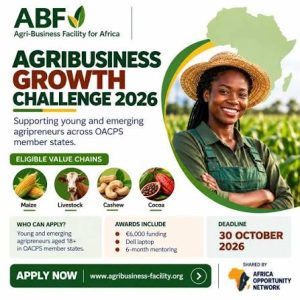
A new agricultural enterprise and innovation training programme is seeking to bridge that gap by equipping farmers, entrepreneurs, and agribusiness professionals with practical knowledge, mentorship, and potential funding opportunities. This initiative aligns with CSR Nigeria conversations around social impact and economic development, demonstrating how skills development and access to resources can strengthen communities.
The online training initiative focuses on strengthening participants’ understanding of modern agribusiness models while helping them develop innovative solutions that respond to the evolving needs of Africa’s food systems. Participants are also introduced to market opportunities and strategies that can help them position their ventures for growth in an increasingly competitive agricultural sector.
Beyond skills development, the programme provides access to mentorship and connections with industry professionals, creating opportunities for collaboration, partnerships, and potential investment support for promising agricultural ideas. Initiatives like this reflect global priorities in sustainability and ESG Africa, showing how practical training can create real social impact.
Why This Matters
Agriculture remains one of the largest sources of employment across Africa, particularly for rural communities and young people entering the workforce. However, limited access to business training, financing, and innovation support continues to slow the growth of many promising agricultural ventures.
Programmes that combine entrepreneurial training, mentorship, and access to capital can play a critical role in helping young agripreneurs move from subsistence farming or small scale ideas to viable businesses capable of creating jobs and strengthening food systems. These initiatives are central to youth empowerment and long term economic development, especially when coupled with vocational training Nigeria.
As discussions around sustainability, food security, and economic resilience continue to grow across the continent, initiatives like this highlight the importance of investing in the next generation of agricultural innovators and fostering AgriInnovation.
A Question for Africa’s Development Ecosystem
While training programmes and innovation initiatives are helping to support emerging agripreneurs, broader collaboration across governments, development organisations, private sector actors, and financial institutions remains essential.
💬 What more can be done to help young agripreneurs move from ideas to scalable businesses that can transform Africa’s agricultural landscape?
[give_form id="20698"]