csrreporters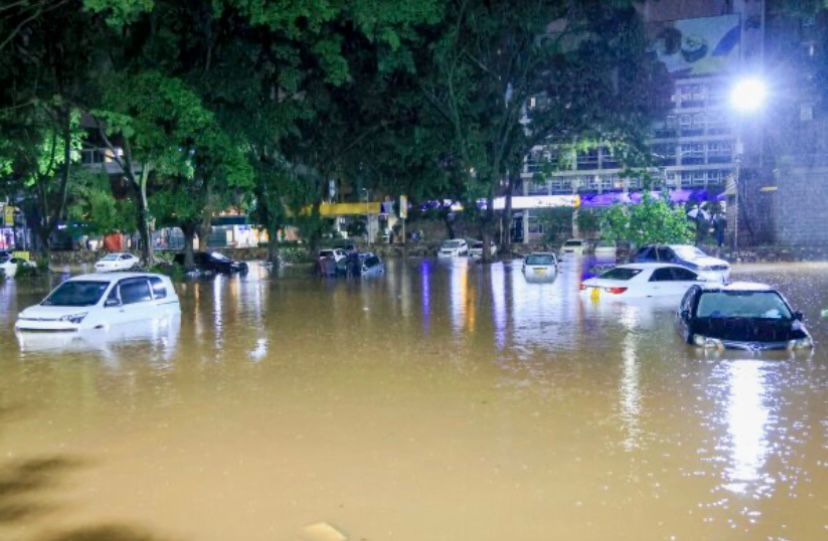
When we talk about climate change in Africa, it’s easy to think about the future: greener cities, renewable energy, and carbon neutrality. But for many African communities, the climate crisis in Africa is not on the horizon it is already happening. From cities to rural areas, extreme weather events are reshaping daily life, testing infrastructure, and threatening livelihoods.
Recent flooding in Nairobi left neighborhoods submerged, homes damaged, and lives disrupted. Streets turned into rivers, families had to evacuate, and businesses were forced to close. Tragically, lives were also lost. This isn’t a distant concern; it is a daily reality for millions.
And Nairobi is not alone. In Lagos, repeated heavy rainfall has inundated low lying neighborhoods, while in Accra, unpredictable storms have destroyed crops and homes. Rising temperatures across Cape Town are stretching water resources to the limit. Across the continent, African cities face climate shocks that are not theoretical; they are occurring now.
Across African cities, extreme weather events are becoming more frequent. Heavy rainfall, rising temperatures, and unpredictable storms are testing urban infrastructure, emergency systems, and community resilience. Governments, businesses, and residents are being forced to confront the hard truth: sustainability is not just a goal for tomorrow; it is a necessity today.
Urban resilience has become critical. Cities need stronger infrastructure, better disaster preparedness, and long term planning to withstand environmental shocks. According to the African Development Bank, over 40 million people in Africa are affected by climate related disasters every year, with urban areas bearing the heaviest burden. Without urgent action, these numbers are expected to rise dramatically over the next decade.
Many organizations and institutions across Africa are responding to the crisis with innovative approaches. Green infrastructure projects, such as urban wetlands restoration, sustainable drainage systems, and tree planting initiatives, are helping cities absorb rainfall and reduce flooding. Community led disaster preparedness programs are training residents to anticipate hazards, evacuate safely, and protect their homes.
Financial tools like green bonds, climate linked investments, and sustainability linked loans are gaining traction. These instruments fund initiatives that protect natural resources, restore ecosystems, and strengthen urban resilience. For example, some banks are funding solar powered microgrids in flood prone neighborhoods, ensuring access to energy even during extreme events. These efforts demonstrate that sustainability is not just a buzzword; it is about real impact, measurable change, and long term community wellbeing.
For businesses, the implications are equally significant. Sustainability is no longer just about ESG reporting or meeting investor requirements. Companies must make strategic decisions that protect operations, employees, and communities from the risks climate change brings. This includes evaluating supply chain vulnerabilities, investing in resilient infrastructure, and training employees to respond to climate emergencies.
Businesses are increasingly aligning with international ESG frameworks and standards, such as the Global Reporting Initiative and the United Nations Sustainable Development Goals, to ensure their sustainability strategies are robust and accountable. Companies that integrate climate resilience into their operations not only safeguard their business continuity but also strengthen their social license to operate.
For communities, sustainability is about education, awareness, and preparedness. Local groups are leading initiatives to improve water management, reduce waste, and restore local ecosystems. Schools and civil society organizations are educating citizens about climate risks, teaching simple measures that save lives and protect property during floods, storms, and heat waves.
Real sustainability is about aligning profit, purpose, and resilience. It is about ensuring that when extreme events occur, cities, communities, and organizations are ready to respond, recover, and protect lives. It is about embedding climate action into every level of society from government policies and corporate strategies to community planning and individual behavior.
Climate change is not waiting for legislation, global agreements, or future technologies. It is happening here and now. Protecting the planet is not only about tomorrow; it is about lives saved, communities strengthened, and cities made resilient today.
Sustainability must evolve from abstract goals to actionable systems, resilient infrastructure, and accountable governance. Only then can we truly say we are preparing for the future while protecting the present.
The responsibility is shared. Governments must implement policies that prioritize climate resilience and invest in urban infrastructure. Businesses must integrate ESG practices into their strategies and operations. Communities must be empowered with knowledge, tools, and resources to respond effectively. Together, these actions form the foundation for a sustainable and resilient Africa.
As extreme weather events continue to test African cities, the urgency of climate action becomes undeniable. Every storm, flood, and heat wave is a reminder that sustainability is not an optional agenda item; it is a necessity. CSR, ESG, and sustainability must move from reporting and commitments to practical, measurable actions that safeguard people, economies, and ecosystems.
African cities have a choice: they can continue reacting to crises or proactively build resilience. Through coordinated effort, sustainable investment, and community engagement, cities can become stronger, safer, and more adaptable to climate realities. The lessons we learn today will define the continent’s ability to thrive tomorrow.