csrreporters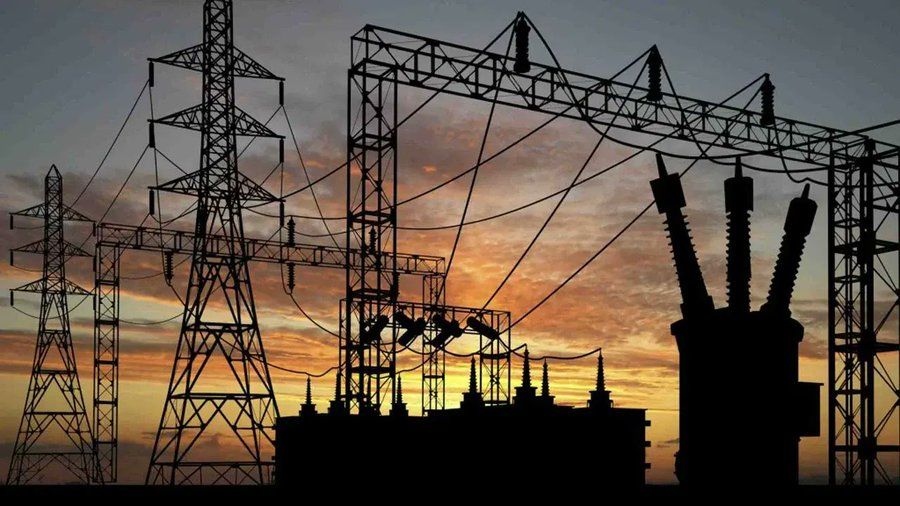
Nigeria’s electricity challenges could intensify in the coming weeks as gas suppliers warn they may halt fuel supply to thermal power plants over an estimated N3.3 trillion debt. The situation has raised fresh concerns about energy stability, economic productivity, and the broader sustainability of the country’s power sector.
Industry stakeholders say the growing debt across the electricity value chain is placing significant pressure on power generation companies and gas producers. As a result, supply constraints are already affecting electricity output nationwide.
According to operational data from the Nigerian Independent System Operator, electricity generation has recently dropped below 4,000 megawatts. Meanwhile, the country’s 11 electricity distribution companies shared just 3,053 megawatts of power on the national grid earlier this week.
Consequently, reliable electricity supply has remained difficult for households and businesses across several regions.
Gas Supply Constraints Affect Generation
Nigeria’s power sector depends heavily on gas-fired plants, which account for roughly 70 per cent of electricity generated on the national grid. However, gas availability has fallen far below operational needs.
Industry data shows that thermal power plants require about 1,629 million standard cubic feet of gas per day to operate efficiently. Yet as of late February 2026, actual supply stood at roughly 692 million cubic feet daily. This represents less than half of the required volume.
Because of this shortfall, some power plants have reportedly reduced operations while others have shut down temporarily. At the same time, the Transmission Company of Nigeria has continued load shedding to distribute the limited electricity available.
Electricity distribution companies have also cited gas shortages as a key reason for ongoing outages across their franchise areas.
Read More on Power Supply Issues: Nigeria’s Power Collapse, A Silent Crisis Betraying Millions
Debt Challenges Across the Power Value Chain
Stakeholders attribute much of the crisis to persistent liquidity challenges in Nigeria’s electricity market. According to industry estimates, the Federal Government currently owes power generation companies about N6.8 trillion for electricity already supplied to the national grid.
A significant portion of that amount relates to gas-powered plants. Experts estimate that gas suppliers alone are owed roughly N3.3 trillion.
Consequently, some gas producers have reportedly warned that future supply may depend on payment guarantees. Without a clear resolution, analysts say generation capacity could decline further.
Financial pressures within the sector have also increased in recent years. Many power generation companies obtained loans during the 2013 power sector privatisation, when the naira traded at around N155 to the dollar. Today, exchange rate fluctuations and delayed payments have compounded their debt obligations.
Implications for Sustainability and Business
Beyond the immediate supply concerns, the situation highlights broader structural challenges within Nigeria’s energy ecosystem. Reliable electricity remains essential for economic growth, environmental progress, and responsible business operations.
Frequent power disruptions often push businesses and households toward diesel or petrol generators. While this helps maintain operations, it also increases operational costs and contributes to higher carbon emissions.
Therefore, energy experts increasingly emphasise the need for sustainable power sector reforms. Stronger financial governance, transparent payment systems, and diversified energy sources are often cited as critical steps.
ESG and Long-Term Energy Stability
Nigeria holds more than 200 trillion cubic feet of proven gas reserves. However, industry leaders say the country still struggles to translate this resource wealth into stable domestic electricity supply.
For companies operating in Nigeria, energy reliability has become closely linked to environmental, social, and governance considerations. Access to stable and cleaner energy sources plays a major role in reducing emissions, supporting productivity, and strengthening long-term resilience.
As discussions around energy transition and sustainable development continue, stakeholders say resolving financial bottlenecks in the power sector will be essential. Without structural reforms, experts warn that recurring supply disruptions could continue to affect economic growth and corporate sustainability efforts across the country.
[give_form id="20698"]