csrreporters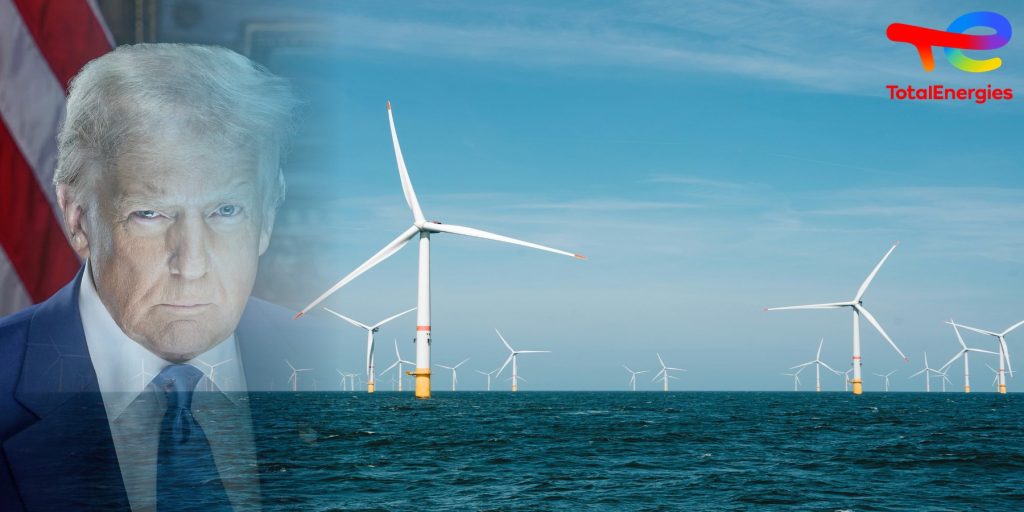
A recent policy shift in the United States has added a new layer of complexity to the global energy transition. The federal government has reached an agreement with TotalEnergies to halt planned offshore wind developments in exchange for nearly $1 billion in reimbursed lease fees. As a result, the company will redirect those funds into gas and conventional energy projects within the U.S.
This development reflects a broader repositioning of energy priorities under the current administration. While renewable energy expansion had gained momentum in previous years, recent actions suggest a different approach is now taking shape. Consequently, stakeholders across the energy sector are reassessing both risks and opportunities.
Policy Direction Shifts Toward Conventional Energy
The agreement is part of a wider series of actions targeting renewable energy development, particularly offshore wind. Earlier policy steps included suspending federal approvals for wind projects and pausing leases tied to large-scale offshore developments along the U.S. east coast. Together, these measures have slowed progress on projects expected to deliver several gigawatts of electricity capacity in the near term.
At the same time, legal challenges have created a more complicated policy environment. Although some initial restrictions were overturned in court, uncertainty has persisted for developers and investors. Therefore, long-term planning within the renewable sector has become increasingly difficult.
Government officials have defended the shift by emphasizing affordability and reliability. According to public statements, offshore wind has been characterized as costly and dependent on subsidies. However, critics argue that such positions may overlook the long-term benefits of diversifying energy sources.
Investment Confidence Faces New Pressures
The immediate effect of these policy changes has been a rise in uncertainty across the energy market. Investors typically rely on stable regulatory frameworks to guide capital allocation decisions. When those frameworks shift, financing conditions often become less favorable.
In this case, the halt in offshore wind development has introduced hesitation among project developers. Even when legal rulings allow certain activities to continue, broader concerns about policy reversals remain. As a result, some planned investments may be delayed or redirected.
Meanwhile, the agreement with TotalEnergies signals a clear pivot toward fossil fuel infrastructure. The company has indicated that reimbursed funds will support the construction of a liquefied natural gas facility in Texas, alongside upstream oil and gas projects. This reallocation highlights how quickly capital can shift in response to policy signals.
Economic and Energy Trade-Offs Emerge
The policy direction also raises questions about the balance between short-term costs and long-term outcomes. Supporters argue that prioritizing conventional energy can help stabilize electricity prices and ensure consistent supply. In a period of economic pressure, such considerations often carry significant weight.
However, there are also concerns about the broader implications for emissions reduction timelines. Slower deployment of renewable energy could delay progress toward climate targets. Additionally, reliance on fossil fuels may expose economies to future price volatility.
Electricity costs have already become part of the conversation. Some reports suggest that recent energy policies have contributed to rising consumer bills. Therefore, the relationship between policy choices and affordability remains an area of active debate.

Global Context Highlights Diverging Approaches
The developments in the United States stand in contrast to trends observed in other regions. Across Europe, for example, governments continue to expand renewable energy capacity while introducing supportive regulatory frameworks. This divergence underscores how different policy choices can shape energy systems in distinct ways.
At the same time, global competition in energy technology is intensifying. Countries are positioning themselves to lead in areas such as clean power generation and advanced grid systems. As a result, policy consistency has become a key factor in attracting long-term investment.
For multinational companies, these differences create both challenges and opportunities. Firms must navigate varying regulatory environments while aligning their strategies with shifting market conditions. Consequently, flexibility has become an essential part of energy sector planning.
Subtle Implications for Emerging Economies
Although these developments are centered in the United States, their implications extend far beyond its borders. Emerging economies, including Nigeria, are closely observing how major markets manage the transition between energy sources. These observations often inform local policy discussions and investment decisions.
Nigeria, in particular, faces its own set of energy challenges. Electricity supply remains inconsistent, while costs continue to rise for both households and businesses. In this context, the importance of clear and stable policy direction becomes even more evident.
Furthermore, the global shift in capital allocation could influence the availability of financing for clean energy projects in developing markets. If investment flows increasingly favor conventional energy, renewable projects in regions like Africa may face additional hurdles. Therefore, maintaining a balanced and forward-looking strategy is essential.
Corporate Strategy Adapts to Policy Signals
The response from companies also offers insight into how the energy landscape is evolving. Decisions made by firms such as TotalEnergies reflect a broader trend of aligning investment with policy environments. When regulations favor certain energy sources, capital tends to follow.
At the same time, companies must consider long-term risks alongside immediate opportunities. Energy infrastructure investments typically span decades, making future policy stability a critical factor. As a result, firms are increasingly incorporating scenario planning into their strategies.
In Nigeria, similar considerations are beginning to influence corporate behavior. Businesses are exploring alternative power solutions while seeking to manage operational risks tied to unreliable electricity supply. Although these shifts may not always be publicly framed as sustainability efforts, they often align with broader environmental and governance priorities.
A Defining Moment for Energy Policy
The agreement to halt offshore wind projects represents more than a single transaction. It highlights the broader tensions shaping global energy policy at a time of transition. As governments weigh competing priorities, the outcomes of these decisions will have lasting effects.
For the United States, the current approach signals a strategic pivot that could influence both domestic and international markets. For other regions, it serves as a point of comparison in evaluating their own energy pathways. In either case, the importance of clarity and consistency cannot be overstated.
Ultimately, the evolving energy landscape presents both risks and opportunities. While policy shifts may create short-term disruptions, they also open space for new strategies and innovations. For emerging economies like Nigeria, the challenge lies in navigating these changes while building a system that delivers reliability, affordability, and long-term value.
[give_form id="20698"]