csrreporters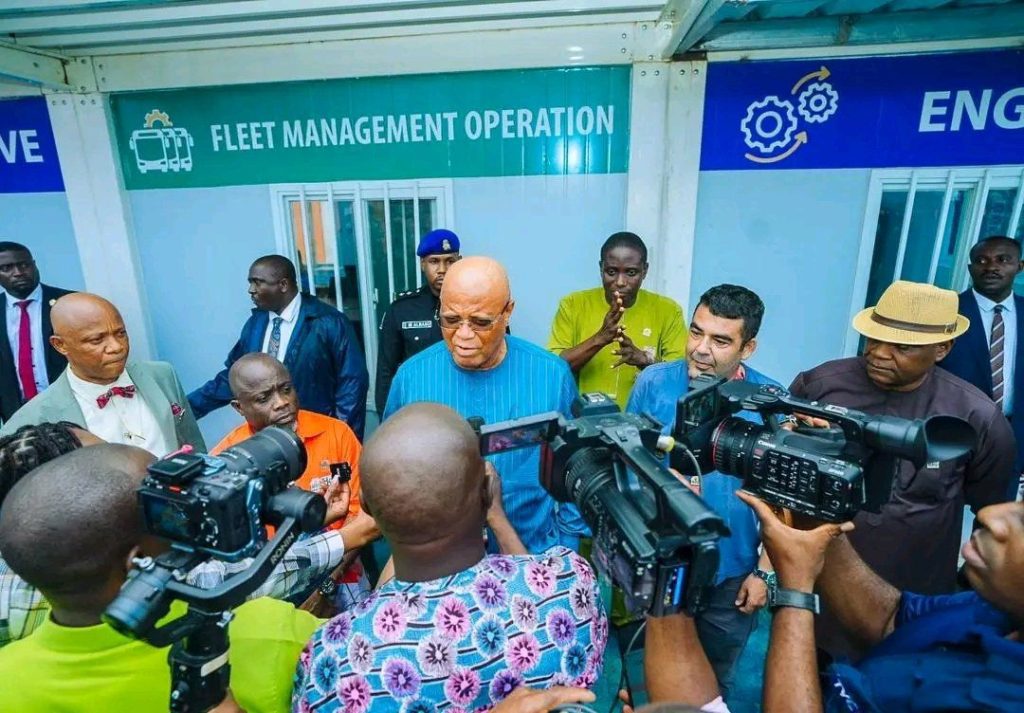
Last week, Governor Umo Eno made an unscheduled visit to inspect the ongoing construction of the Ibom CNG Mass Transit Terminal in Uyo. The visit was brief, but it carried weight. It showed urgency, reinforced accountability, and quietly signaled that this project matters.
Leaders often wait for commissioning ceremonies. However, moments like this tell a different story. They suggest that delivery is just as important as announcements. In this case, the timing also matters, because expectations are building as the state prepares to roll out a new transport system.
Moreover, the visit connects leadership directly to outcomes. It closes the gap between policy and execution, which is often where many public projects lose momentum.
Building a New Transport Reality
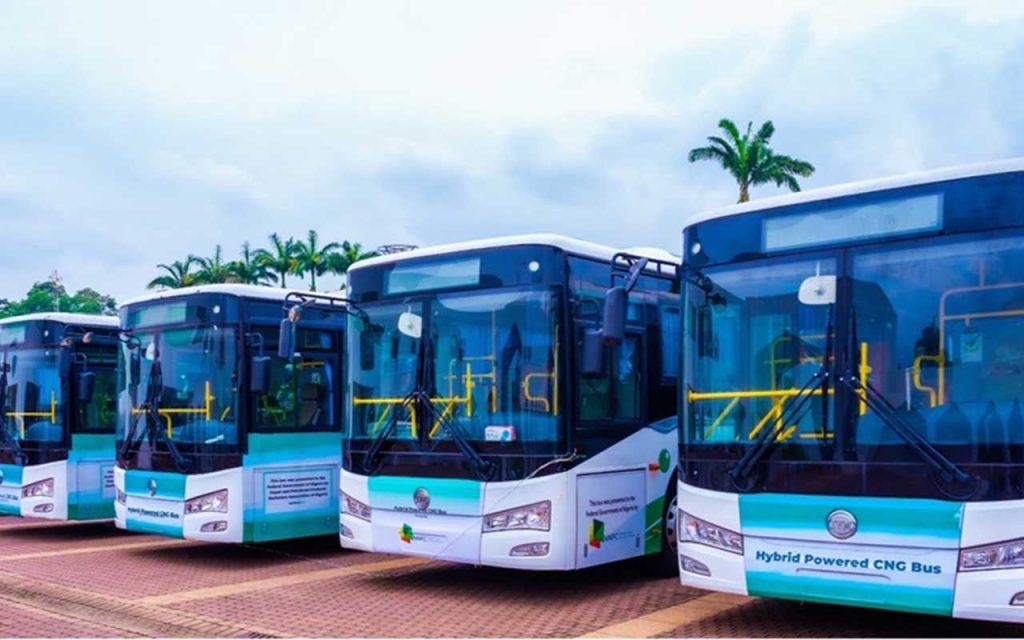
Akwa Ibom State has procured 50 compressed natural gas powered buses to serve all 31 local government areas. At the same time, construction is ongoing on a modern terminal designed to support the system.
This is not a typical bus park. The facility will integrate a gas refueling station, maintenance workshops, a training academy, security presence, and commercial services. As a result, the project becomes an ecosystem rather than a single intervention.
That distinction is important. Many transport initiatives struggle because they focus only on vehicles while ignoring the systems that sustain them. Here, the approach is more layered. It connects infrastructure, skills, and service delivery in one place.
In addition, the inclusion of a training academy points to a longer-term view. It suggests that the state is thinking beyond immediate operations and considering how to build local expertise that can support the system over time.
Why CNG Buses Matter Right Now
Nigeria’s shift toward compressed natural gas has accelerated in recent years, particularly after the removal of fuel subsidies in 2023 under President Bola Ahmed Tinubu. That decision increased fuel prices and placed pressure on households.
CNG offers a practical alternative. It is generally cheaper than petrol and more readily available within the country’s energy mix. Therefore, it provides a way to reduce transport costs without waiting for longer-term energy transitions.
For commuters, the impact is straightforward. Lower fuel costs can translate into more affordable fares. When transport becomes cheaper, it affects everything from food prices to daily business operations.
At the same time, CNG burns cleaner than traditional fuels. While it does not eliminate emissions entirely, it reduces the intensity of pollution in urban areas. That shift may seem incremental, but it adds up over time, especially in densely populated cities.
A Quiet Shift in Public Responsibility
Although this project sits within the transport sector, its implications stretch further. It touches daily life in ways that are both visible and subtle.
First, there is the question of affordability. By targeting transport costs, the state addresses a pressure point that affects nearly every household. Movement becomes easier, and economic activity can flow more freely.
Second, there is the issue of structure. A well-organized terminal, supported by maintenance and security systems, brings a level of order that is often missing in informal transport networks. Over time, that structure can improve reliability and safety.
Third, there is the human element. The project is expected to create jobs for drivers, technicians, and support staff. It also opens pathways for skill development through the training academy.
Taken together, these elements show how infrastructure decisions can shape everyday experiences. They also reflect a broader shift toward projects that deliver both immediate and long-term value.
Global Momentum Around CNG
Akwa Ibom’s move fits into a wider country and global pattern. Across Nigeria, the shift toward compressed natural gas is gaining real traction. It is no longer limited to federal policy announcements.
Under the Presidential CNG initiative, the government has already supported the deployment of hundreds of buses and thousands of tricycles. This is happening while expanding conversion centres and refueling infrastructure across more than 20 states. In fact, over 75 CNG stations are now operational nationwide.
There are plans to scale further, alongside more than 100,000 vehicle conversions since the programme began. This growing network reflects a deliberate effort to build an ecosystem, not just introduce vehicles. It shows how the transition is being anchored in both public transport and private adoption.
In other states momentum is also building in different directions. In Lagos State, plans to roll out up to 2,000 CNG buses highlight how large urban centres are using gas-powered fleets to manage rising transport demand and costs. Meanwhile, northern states such as Kaduna State are already seeing early results. It has CNG buses moving hundreds of thousands of passengers and delivering measurable savings in transport fares within months of operation.
Read Also: FG Plans CNG and EV Hubs in Katsina for Transport Energy Transition
In the South-South, Delta State has begun investing in critical refueling infrastructure in Asaba and Warri, recognizing that access to gas is key to scaling adoption. Together, these efforts show a country experimenting, learning, and gradually aligning around gas as a practical response to current energy and mobility challenges.
Many countries are also turning to compressed natural gas as part of their transition strategies.
In India, for instance, major cities have expanded CNG bus fleets to reduce air pollution and manage transport costs. Similarly, countries such as Pakistan and Iran have relied on CNG for years due to their natural gas reserves.
Across parts of Europe, CNG continues to serve as a transitional option, even as electric mobility gains ground. It offers a way to cut emissions without requiring a complete overhaul of infrastructure.
Therefore, the direction Akwa Ibom is taking is not isolated. It reflects a broader understanding that energy transitions often happen in stages rather than in a single leap.
Lessons from Elsewhere
Experiences from other regions offer useful insights.
Infrastructure must come first. Without reliable refueling systems, even the most advanced vehicles will struggle to operate effectively. The integrated terminal model in Akwa Ibom addresses this challenge directly.
Training also plays a critical role. Handling compressed gas requires technical knowledge and adherence to safety standards. By embedding a training academy within the project, the state is investing in the people who will sustain the system.
Consistency matters as well. Policies need to remain stable to encourage adoption and build confidence among operators and users. Sudden changes can disrupt progress and weaken trust.
Finally, public awareness cannot be overlooked. People need to understand how the system works and why it matters. When that understanding grows, adoption tends to follow more naturally
Beyond Transport: A Wider Economic Effect
Transport systems often act as the backbone of economic activity. When movement becomes easier, businesses can operate more efficiently, and opportunities can expand.
Akwa Ibom has already invested in roads, aviation, and tourism infrastructure. The introduction of a more efficient mass transit system complements those efforts. It connects people to markets, jobs, and services in a more predictable way.
In addition, the terminal itself creates space for small businesses. Restaurants, retail outlets, and service providers can operate within the hub, generating income and supporting local economies.
Over time, these layers of activity can reinforce each other. Better transport supports economic growth, and economic growth, in turn, increases demand for better transport.
Challenges That Still Need Attention
Despite the promise, several challenges remain.
Gas supply must remain stable and affordable. Any disruption could affect operations and undermine confidence in the system. Maintenance standards must also remain high to ensure safety and reliability.
There is also the issue of scale. While 50 buses mark a strong beginning, demand may grow quickly. Expansion will require careful planning, funding, and coordination.
Public perception will play a role as well. If commuters experience delays or inconsistencies, trust could weaken. Therefore, early performance will likely shape long-term acceptance.
A Moment That Could Set a Pattern
Akwa Ibom’s approach highlights the growing role of state governments in shaping practical solutions. While national policies set direction, implementation often happens at the local level.
This project shows how that implementation can take shape. It connects policy to infrastructure, and infrastructure to everyday life. It also demonstrates that progress does not always come from sweeping changes. Sometimes, it comes from focused decisions that address specific challenges.
The governor’s unscheduled visit captured that idea in a simple way. It showed attention to detail and a willingness to engage directly with the process.
The Road Ahead
As the buses begin to arrive and the terminal moves closer to completion, attention will shift from planning to performance. Delivery will matter more than intent.
If the system works as envisioned, it could become a reference point for other states. It could show how transport, energy, and economic considerations can align in practical ways.
For now, the signs are promising. The pieces are coming together, and the direction is clear.
What remains is execution.
At CSR Reporters, we continue to track how policy, infrastructure, and innovation intersect to shape everyday realities. Stay with us for more insights on Nigeria’s evolving energy and transport landscape.
[give_form id="20698"]