csrreporters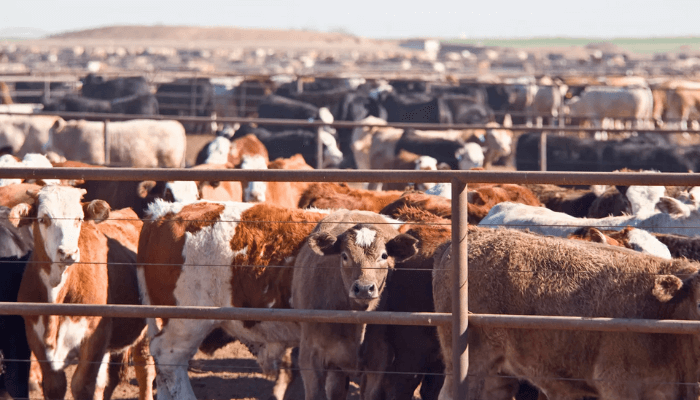
Nigeria’s livestock sector is attracting renewed attention as private sector stakeholders intensify efforts to unlock its estimated $3 billion market potential. The initiative is driven by growing recognition of livestock as a critical contributor to food security, rural livelihoods, and economic diversification.
With rising population demands and increasing pressure on food systems, stakeholders are exploring sustainable and commercially viable pathways to scale production, improve value chains, and reduce inefficiencies across the livestock ecosystem.
According to the Food and Agriculture Organization (FAO), livestock systems play a critical role in global food security and rural livelihoods, particularly in developing economies.
The private sector-led push is expected to catalyze investments across breeding, feed production, processing, storage, logistics, and distribution key segments that have historically limited the sector’s productivity and competitiveness.
A Strategic Focus on Food Security and Economic Growth
At the heart of this initiative is the need to strengthen Nigeria’s food security framework while simultaneously expanding economic opportunities within the agricultural sector. Livestock production remains a vital component of national nutrition and rural income generation, particularly in Northern Nigeria where pastoral and agro-based livelihoods dominate.
Industry stakeholders note that improving productivity within the livestock value chain will not only reduce dependence on imports but also enhance local supply capacity, stabilise food prices, and improve access to protein-rich diets for millions of Nigerians.
The private sector is positioning itself as a key driver of this transformation, leveraging investment, innovation, and partnerships to address structural gaps that have long constrained growth.
Addressing Structural Challenges in the Value Chain
Despite its potential, Nigeria’s livestock industry continues to face several challenges, including low productivity, limited access to modern technology, inadequate cold chain infrastructure, and persistent conflicts affecting pastoral communities.
The new market expansion strategy aims to address these bottlenecks through targeted investments in infrastructure, animal health systems, feed quality improvement, and digital tracking solutions for livestock management.
Stakeholders also emphasize the importance of improving data systems within the sector to support better planning, traceability, and market efficiency. This is expected to enhance transparency and attract more institutional investors into the agricultural space.
Private Sector as a Catalyst for Transformation
The initiative reflects a broader shift toward private sector-led development in Nigeria’s agricultural ecosystem. Investors and agribusiness operators are increasingly playing a central role in shaping value chain development, introducing scalable models that integrate technology, finance, and sustainable practices.
By mobilising capital and expertise, the private sector is expected to bridge funding gaps that have traditionally limited large-scale agricultural transformation. This approach also aligns with global trends where agribusiness-led ecosystems are driving productivity and rural development.
Beyond profitability, stakeholders are also emphasizing inclusive growth—ensuring that smallholder farmers, pastoralists, and rural communities are integrated into the value chain and benefit from expanded market opportunities.
Creating Jobs and Strengthening Rural Livelihoods
One of the most significant expected outcomes of the livestock market expansion is job creation. The sector has the potential to generate employment across multiple stages of the value chain, including production, processing, transportation, retail, and export services.
This aligns with ongoing agricultural development efforts across Nigeria that are focused on linking infrastructure projects with job creation and food security enhancement.
For rural communities, this expansion presents opportunities to improve income levels, access training, and adopt improved livestock management practices. Enhanced productivity is also expected to reduce poverty levels in agrarian communities where livestock remains a primary source of livelihood.
Stakeholders believe that empowering local actors within the value chain will ensure more equitable distribution of economic benefits while strengthening community resilience.
Sustainability and Innovation in Livestock Development
Sustainability is increasingly becoming a central focus in livestock development strategies. Industry players are exploring climate-smart approaches that reduce environmental impact while improving efficiency in production systems.
Innovations such as improved feed formulation, waste management systems, veterinary technology, and digital monitoring tools are expected to play a key role in modernising the sector. These interventions are also aligned with global ESG (Environmental, Social, and Governance) standards, which are becoming increasingly important for attracting international investment.
By integrating sustainability principles, the livestock sector is expected to contribute not only to economic growth but also to environmental protection and responsible resource management.
Strengthening Partnerships for Long Term Impact
The success of the $3 billion livestock market expansion will depend largely on effective collaboration between private investors, government institutions, development partners, and local communities.
Stakeholders stress the importance of creating enabling environments that support investment, including policy stability, access to finance, infrastructure development, and regulatory reforms that encourage innovation.
Such partnerships are essential for scaling impact and ensuring that growth within the sector translates into meaningful socio-economic benefits.
A Pathway to Inclusive Agricultural Transformation
The private sector-led push to expand Nigeria’s livestock market represents more than a commercial opportunity—it is a strategic intervention aimed at strengthening food systems, creating jobs, and improving livelihoods across the country.
As investments begin to flow into the sector, the focus will increasingly shift toward ensuring inclusivity, sustainability, and long-term resilience. With the right mix of innovation, partnership, and policy support, Nigeria’s livestock industry has the potential to become a major driver of economic transformation and rural development.
[give_form id="20698"]