csrreporters
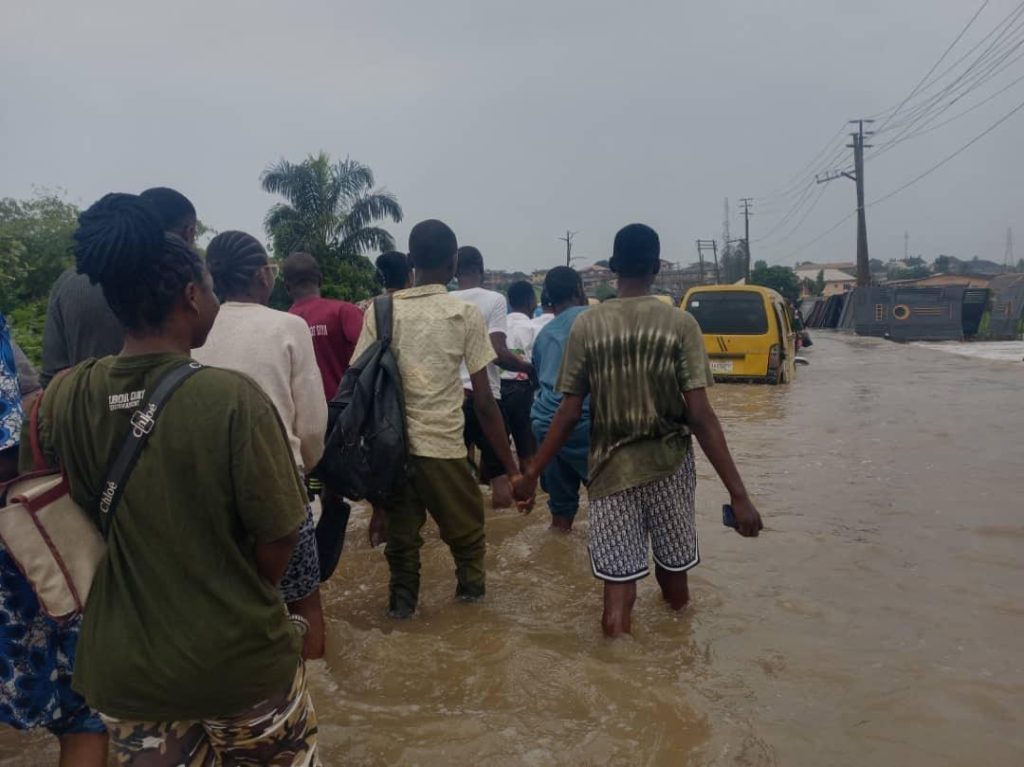
The Nigerian Meteorological Agency (NiMet), has warned that 19 states across the country could experience flash flooding as heavy early rains intensify nationwide.
The advisory has renewed concerns about climate resilience, disaster preparedness, and Nigeria’s growing environmental vulnerabilities. It has also pushed fresh conversations around how businesses, communities, and public institutions should respond to rising climate risks.
According to NiMet, dry and hardened soils may prevent rainwater from soaking properly into the ground. Consequently, surface runoff could increase rapidly during heavy rainfall.
The states listed in the advisory are Lagos, Imo, Ekiti, Ebonyi, Zamfara, Cross River, Edo, Ondo, Nasarawa, Bayelsa, Kwara, Anambra, Ogun, Enugu, Akwa Ibom, Oyo, Delta, and Rivers.
NiMet warned that flooded roads, damaged infrastructure, blocked drainage systems, traffic disruptions, and power outages may occur if preventive measures are delayed.
Additionally, the agency raised concerns about injuries, displacement, telecommunication disruptions, and water-borne diseases that often follow severe flooding.
The warning arrives only weeks after the Federal Government disclosed that more than 14,000 communities across 33 states and the FCT remain at risk of severe flooding in 2026.
Earlier this year, CSR Reporters examined Nigeria’s growing flood concerns in its report on rainfall risks and environmental preparedness. The report highlighted poor drainage systems, weak urban planning, and limited climate adaptation efforts as major factors worsening flood disasters across the country.
Climate Pressure Is Changing Business Conversations
Across the world, climate disasters increasingly influence investment decisions, sustainability rankings, and corporate governance conversations. Nigeria is gradually moving in the same direction.
Flooding now affects far more than physical infrastructure. It also disrupts productivity, workforce safety, customer access, and operational continuity. For businesses, severe flooding can quickly become a financial and reputational crisis.
In commercial hubs like Lagos, heavy rainfall already disrupts transportation networks every year. Employees struggle to reach workplaces. Delivery timelines become unpredictable. Retail activity slows down. Meanwhile, supply chains experience delays that affect customer satisfaction and revenue.
Small businesses often suffer the hardest impact. Many operate without insurance coverage or emergency recovery plans. Therefore, a single flooding incident can destroy inventory, damage equipment, and interrupt cash flow for weeks.
Restaurants, supermarkets, pharmacies, logistics firms, and ride-hailing operators also face increased operational pressure during flood periods. In some cases, businesses temporarily shut down because roads become inaccessible.
Power disruptions create another layer of risk.
Many companies rely heavily on digital systems, internet connectivity, and refrigeration infrastructure. Flood-related outages can interrupt banking operations, telecom services, healthcare delivery, and food preservation systems.
Consequently, environmental risks are now deeply connected to business sustainability.
Staff Safety Is Becoming a Corporate Responsibility Issue
As climate risks intensify, employee welfare is becoming more important. Many workers still commute through flood-prone roads during heavy rainfall because remote work structures remain limited in several sectors. Yet flooding increases accident risks, transportation costs, and exposure to contaminated water.
Some companies now face growing pressure to strengthen internal climate response strategies.
Flexible work arrangements, emergency transport support, mental health assistance, and stronger safety communication systems are now a part of responsible workplace planning.
Experts also believe businesses should develop clearer continuity plans before peak rainy periods begin. For example, companies can conduct flood risk assessments around offices and warehouses. They can also improve drainage systems within their facilities and review emergency evacuation procedures regularly.
Furthermore, cloud-based systems and remote operational tools can reduce service interruptions when physical movement becomes difficult. These strategies may appear expensive initially. However, climate-related disruptions often cost businesses far more in the long run.
Beyond Emergency Donations
Environmental risks now sit at the center of global ESG discussions. Investors increasingly expect companies to disclose how they manage climate exposure and operational resilience.
That shift is becoming harder for Nigerian businesses to ignore.
Several financial institutions and large corporations already publish sustainability reports that mention climate adaptation and environmental responsibility. However, many smaller companies still treat ESG largely as a branding exercise instead of a long-term operational framework.
Flooding exposes the weaknesses in that approach.
A company cannot claim strong sustainability values while operating in ways that worsen drainage blockage, environmental pollution, or unsafe urban development. Likewise, businesses that fail to protect workers during environmental emergencies may face stronger public scrutiny in the coming years.
The conversation is also expanding beyond philanthropy.
Experts increasingly argue that climate preparedness itself should become part of corporate social responsibility. Donations after disasters still matter. However, preventive investments may ultimately protect more communities.
That includes supporting waste management systems, improving drainage infrastructure, funding environmental awareness campaigns, and partnering with local authorities on resilience projects.
NiMet and NEMA Push Stronger Coordination
Meanwhile, National Emergency Management Agency and NiMet have intensified efforts to strengthen disaster preparedness nationwide.
During a recent meeting in Abuja, officials from both agencies discussed plans for a national early warning system roadmap designed to improve emergency coordination and reduce climate-related losses.
NEMA Director General, Zubaida Umar, praised NiMet’s seasonal climate predictions and weather forecasts. She also emphasized the importance of faster collaboration between institutions. That coordination may become increasingly important as extreme weather patterns continue affecting communities across West Africa.
For many Nigerians, flooding has become a yearly reality. Yet experts warn that climate change could make future incidents more destructive if preparedness levels remain weak.
The latest NiMet advisory therefore serves as more than a weather alert. It also reflects a broader challenge involving governance, infrastructure, environmental responsibility, and economic resilience.
As the rainy season deepens, businesses, governments, and communities need to move beyond emergency reactions and begin treating climate preparedness as an essential part of long-term survival.
[give_form id="20698"]