ROSEMARY IMOBHIO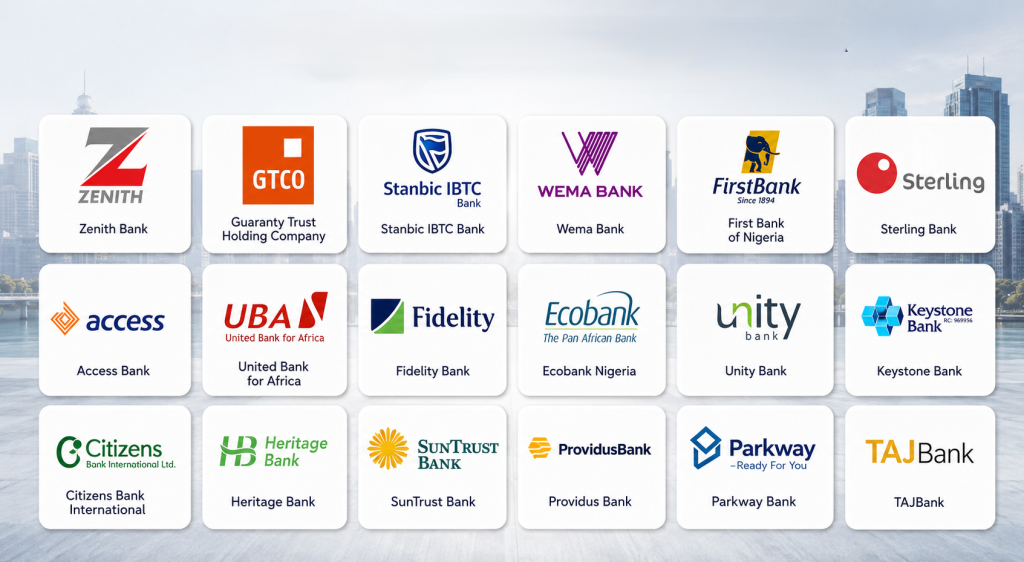
Climate risk is no longer a side conversation for Nigeria’s financial sector. It has become a core credit issue, and Fitch Ratings has just put a number on it. In a new report, the global rating agency warns that climate-related pressures could gradually weaken the credit quality. It could affect asset performance of banks across the continent, with Nigeria named among the most exposed.
For CSR professionals, ESG practitioners and business leaders, the findings confirm something many have long suspected. Climate change has moved from the sustainability report into the loan book.
From Environmental Issue to Financial Risk
For years, climate change sat mainly in corporate sustainability sections, framed as a reputational or ethical concern. Fitch’s analysis pushes it firmly into balance sheet territory. According to the agency, both transition risks and physical risks will intensify over the coming decades, reshaping asset quality and lending conditions across African banking systems.
Consequently, banks can no longer treat climate exposure as a communications matter. It directly affects loan performance, collateral values and, ultimately, profitability. Using its proprietary Climate Vulnerability Signals framework, Fitch estimates that Nigeria could record a combined climate risk score of between 50 and 55 by 2050.
This places the country alongside Ghana, Egypt, Kenya and South Africa among economies with elevated long-term exposure. Meaning that Nigerian banks are now in a category where climate considerations increasingly influence credit ratings, funding costs and investor appetite.
Why Nigerian Banks Are Especially Exposed
Nigeria’s vulnerability stems largely from concentration. A significant share of bank lending flows to oil and gas, mining and agriculture. These are sectors that sit at the intersection of physical and transition risk.
Oil and gas assets face mounting pressure from decarbonisation policies, shifting investor preferences and technological change. All of which could leave some assets stranded over time. Meanwhile, agriculture, a major source of livelihoods and bank collateral, faces a different but equally serious threat from floods, droughts and unpredictable rainfall patterns.
Fitch notes that West Africa ranks among the regions most vulnerable to climate change globally. As a result, indirect effects could prove significant for Nigeria. Extreme weather can reduce household incomes, weaken corporate profitability and increase macroeconomic volatility. These will eventually show up as credit losses on bank balance sheets.
In simple terms, when a flood destroys farmland or a drought cuts crop yields, the effects do not stop at the farm gate. They travel through the repayment chain and land on the lender’s books.
Physical Risk Meets Transition Risk
Two forces are converging here, and both matter for corporate strategy. Physical risk refers to direct damage from climate events, flooding in the Niger Delta, erosion in the southeast, or drought in the far north. Transition risk, on the other hand, arises from policy shifts, carbon pricing and changing global investor expectations as economies move toward lower-carbon models.
Nigeria is actively developing carbon pricing and carbon market frameworks as part of its Paris Agreement commitments. President Tinubu approved the operationalisation of a national carbon market framework in January 2026, alongside the country’s climate change fund. Government officials project the market could generate around $3 billion annually by 2030. While such initiatives support long-term climate goals, Fitch cautions that they could raise operating costs for businesses in carbon-intensive sectors, with knock-on effects for the banks financing them.
Under its updated Nationally Determined Contribution, Nigeria targets a 32.2 percent cut in emissions by 2035 relative to 2018 levels. It also has a commitment to end gas flaring by 2030. These are not abstract targets. They translate into real obligations for oil and gas operators and, by extension, the banks that lend to them.
Regulatory Momentum Is Building
The Central Bank of Nigeria is not standing still. Its Sustainable Banking Principles, first introduced in 2012 and revised over time, require deposit money banks, discount houses and development finance institutions to manage environmental and social risk in every lending decision. More recently, the CBN has pushed banks toward adopting International Sustainability Standards Board disclosure requirements, IFRS S1 and S2, positioning Nigeria as an early African adopter of global ESG reporting norms.
With this regulatory direction one can note that authorities are increasing their focus on climate risk governance, disclosure and transparency. Institutions that fail to adapt, risk reputational damage, weaker investor confidence and tighter access to funding as global capital increasingly favours lenders with credible sustainability practices. In other words, ESG is steadily becoming a precondition for competitive access to capital, not a bonus feature.

Opportunity Within the Risk
Despite the warnings, Fitch’s outlook is not entirely gloomy. The report identifies genuine opportunities for banks willing to reposition early. Growing demand for green finance, renewable energy lending, sustainability-linked loans and climate-focused investment products could open new revenue streams while strengthening long-term resilience.
Nigeria already has a track record here. The country issued Africa’s first sovereign green bond in 2017, followed by further tranches, including a N50 billion issuance in 2025 that was heavily oversubscribed. Access Bank issued Africa’s first corporate green bond, while North South Power has run a green bond programme supporting hydropower expansion.
Blended finance structures, such as the International Finance Corporation’s naira-denominated facility supporting Sun King Nigeria’s solar distribution, show growing collaboration between development finance institutions and local lenders.
Institutions that effectively manage climate risks and capitalise on emerging green finance opportunities are expected to be better positioned to remain resilient and support sustainable economic growth.
Why It Matters
- Climate risk is now a credit risk. Fitch’s Climate.VS framework places Nigeria among Africa’s most exposed banking systems by 2050, alongside Ghana, Egypt, Kenya and South Africa.
- Oil, gas and agriculture concentration leaves Nigerian banks doubly exposed, facing both transition pressure from decarbonisation and physical damage from floods and droughts.
- ESG credentials are becoming a gateway to capital. Banks and businesses with weak climate governance risk losing access to international funding and investor confidence.
What Businesses Should Do Now
For companies operating in Nigeria, the message from this report extends beyond the banking sector. Businesses seeking financing, particularly in agriculture, energy and manufacturing, should expect lenders to ask harder questions about climate exposure, emissions data and adaptation planning. Strengthening ESG reporting, adopting recognised disclosure standards and demonstrating credible transition plans will increasingly determine who gets favourable loan terms and who does not.
Corporate boards should also treat climate governance as a strategic priority rather than a compliance formality. Investing in climate resilience, from water management to supply chain diversification, protects both operations and creditworthiness. Furthermore, businesses that engage early with sustainability-linked finance instruments position themselves ahead of competitors still treating ESG as optional.
The Next Five Years
Looking ahead, several developments deserve close attention. Regulators should watch how the CBN translates its sustainable banking principles into enforceable supervision, including capital incentives for green lending and penalties for lagging institutions. Banks should track how quickly Nigeria’s carbon market matures and whether carbon pricing begins to reshape the economics of oil, gas and heavy industry lending.
Businesses, meanwhile, should monitor global investor expectations. Access to cheaper, longer-term capital will increasingly hinge on demonstrable ESG performance rather than glossy sustainability reports. Ultimately, the institutions and companies that treat climate risk as a core financial variable today will be the ones best placed to remain resilient, competitive and creditworthy over the next decade.
[give_form id="20698"]