WWF Namibia Strengthens Community-led Conservation Across KAZA Transfrontier Conservation Area
 CHUKS OLUIGBO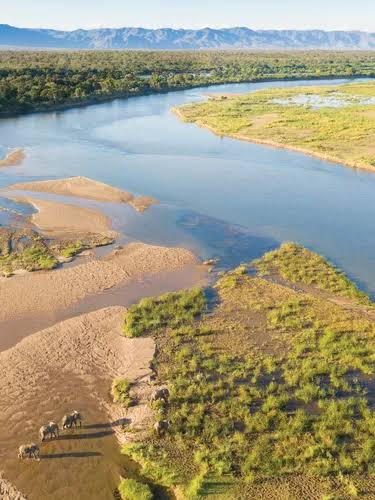
Image credit: World Wildlife Fund
WWF Namibia, the local office of the World Wildlife Fund, has taken a step further in the quest to strengthen community-led conservation across the Kavango-Zambezi Transfrontier Conservation Area (KAZA TFCA).
The office recently held a regional Training-of-Trainers (ToT) workshop in the Zimbabwean capital city of Harare to build the capacity of practitioners from Namibia, Zambia, and Zimbabwe to facilitate the Community-Based Natural Resource Management (CBNRM) Enabling Conditions Tool (ECT) at regional and national level, africa.panda.org reports.
The tool and its User Manual were first introduced and refined at an earlier consultation held in Kasane, Botswana, with input from practitioners.
The Harare workshop followed up on the Kasane consultation and brought together the same regional network of 20 participants, including representatives from the KAZA TFCA Secretariat, WWF Namibia, WWF Zambia, WWF Zimbabwe, the Zimbabwe Parks and Wildlife Management Authority (ZimParks), Matusadona National Park, and African Parks Zambia.
Other participating organisations were the Zambia CBNRM Forum, Zambia’s Department of National Parks and Wildlife (DNPW), Namibia’s Ministry of Environment, Forestry and Tourism (MEFT), the Community CAMPFIRE Association of Zimbabwe (CCAZ), the Community Leaders Network, and other CBNRM practitioners and stakeholders.
The initiative is part of the Concept and Practice: Consultations for Developing and Piloting an Enabling Conditions Tool for Community-Based Natural Resource Management (CBNRM) project, funded by the UK Government through the Darwin Initiative. It aims is to strengthen community-led conservation across selected sites in the KAZA TFCA by developing and piloting a practical tool that helps with assessment and improvement of the institutional conditions required for effective CBNRM.
Enabling Communities to Take the Lead
At the heart of the project is the understanding that successful conservation depends on creating an enabling environment where communities have the governance structures, partnerships, rights, and support systems needed to sustainably manage natural resources while improving local livelihoods.
With participants already acquainted with the Enabling Conditions Tool and its User Manual at Kasane, the Harare workshop built their capacity to facilitate its use. They were trained to lead assessments of the institutional, governance, and social conditions that support effective community-based natural resource management ahead of the tool’s pilot roll-out in Namibia, Zambia, and Zimbabwe.
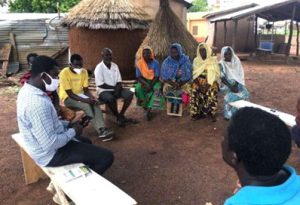
Participants also refreshed their facilitation skills in preparation for leading community-based pilot assessments using the tool. The sessions provided an opportunity to strengthen practical skills in facilitating participatory discussions with communities while ensuring that local perspectives remain central to the assessment process.
Additionally, country teams developed action plans that outlined timelines, responsibilities, and implementation processes for piloting the Enabling Conditions Tool within selected KAZA partner sites.
By the end of the workshop, participants had developed a shared understanding of the project’s objectives and gained practical knowledge in applying the tool within their respective countries. The collaborative planning process also fostered stronger regional coordination and a common vision for strengthening the institutional environment that enables communities to play a leading role in managing natural resources.
“Through the pilot implementation of the Enabling Conditions Tool, the project will generate evidence to inform improvements in community-based natural resource management governance and contribute to national policy dialogue across participating countries,” said Terrance Sikapizye of Peace Parks Foundation.
“The findings are also expected to promote locally driven, market-based conservation approaches that strengthen biodiversity conservation, sustainable livelihoods, and inclusive economic development throughout the KAZA landscape,” he said.
Why It Matters
The Kavango-Zambezi Transfrontier Conservation Area (KAZA TFCA) is the world’s second-largest nature and landscape conservation area stretching 520,000 square kilometres across Angola, Botswana, Namibia, Zambia, and Zimbabwe.
The vast KAZA landscape connects several major ecosystems and world-class tourist destinations, including three UNESCO World Heritage Sites: Victoria Falls (Zimbabwe/Zambia), Okavango Delta (Botswana), and Tsodilo Hills (Botswana).
Comprising 36 proclaimed protected areas, including 19 national parks and 60 forest reserves managed collaboratively by the partner nations, the KAZA area harbours extensive populations of lions, leopards, buffalo, rhinoceroses, and over 220,000 African elephants (more than half of Africa’s savannah elephant population).
It supports over 3,000 plant species, 600 bird species, and provides critical habitats for endangered species like African wild dogs.
KAZA was established as an interconnected mosaic of wildlife corridors with the aim of facilitating free animal movement across international borders while promoting sustainable cross-border tourism.
However, the region’s challenges, from severe climate change impacts (such as droughts and flooding) to rising human-wildlife conflicts, necessitate an intervention. This is why WWF Namibia’s effort, in collaboration with partners, matters. The intervention, if followed through, is capabale of securing ecological connectivity, promoting human-wildlife coexistence, strengthening institutional environments and community-based natural resource management (CBNRM) policies, and empowering local communities through nature-based enterprises where food security and ecosystem health advance together.
[give_form id="20698"]