ROSEMARY IMOBHIO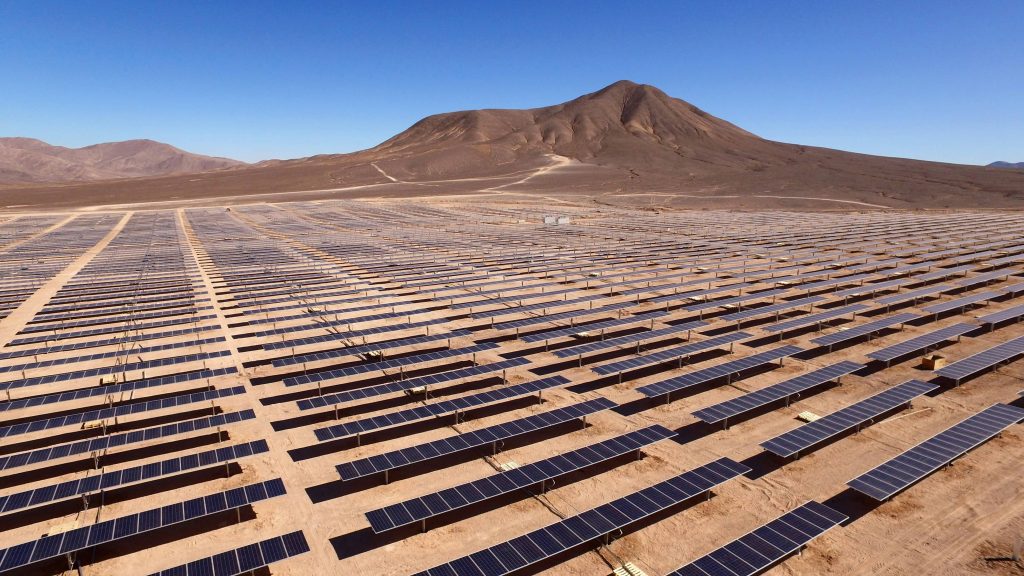
The Democratic Republic of the Congo (DRC) has taken another major step towards cleaner industrial power. A large solar and battery project has began commercial operations at the Kamoa-Kakula copper complex.
The facility combines 233MWp of solar photovoltaic capacity with a 526MWh battery energy storage system. Together, the technologies can provide at least 30MW of firm renewable electricity around the clock.
CrossBoundary Energy, the project developer and independent power producer, announced the milestone on August 25, 2026. However, the facility had already reached commercial operation on August 12.
The development is significant because it moves solar power beyond its traditional role as a daytime energy source. Instead, batteries allow electricity generated during daylight hours to support continuous industrial operations.
For the DRC, that development is crucial. The country has enormous mineral resources, yet unreliable electricity remains one of the challenges affecting industrial development.
A New Model for Congo’s Mining Sector
Kamoa-Kakula is one of Africa’s largest copper mining complexes. The operation covers almost 400 square kilometres and currently includes two producing mines, with additional resources under development.
Mining, however, requires dependable electricity. Processing ore, operating machinery and maintaining production schedules cannot simply stop when renewable generation falls. That is where the new solar and storage facility becomes important.
During the day, the solar array generates electricity. Excess generation can charge the batteries. Later, the stored electricity can support the mine when solar production declines. Consequently, the system can provide a more stable renewable power supply than a solar-only installation.
CrossBoundary Energy says the facility has a 95% annual availability factor. It also guarantees at least 30MW of firm renewable baseload power for Kamoa Copper. The project therefore demonstrates how battery storage can help overcome one of the biggest limitations associated with solar energy: intermittency.
Congo’s Clean Power Push Goes Beyond Solar
Importantly, the solar project is not the DRC’s only investment in cleaner electricity for Kamoa-Kakula. The mining complex already relies heavily on hydroelectric power. Kamoa Copper has worked with the country’s state-owned electricity utility, Société Nationale d’Électricité (SNEL), to improve hydropower capacity serving the mine and the national grid.
The Mwadingusha hydropower station provides approximately 78MW of sustainable electricity. In addition, work on Turbine 5 at the Inga II hydropower plant restored a further 178MW of generating capacity.
In November 2025, the first 50MW from the refurbished Inga II turbine reached Kamoa-Kakula. The broader programme is intended to support the delivery of up to 250MW of clean electricity.
This combination of hydroelectricity, solar generation and battery storage gives the DRC a potentially important model for powering energy-intensive industries. Moreover, it shows that the country’s energy transition does not have to depend on one technology.

Faster Renewable Development at Industrial Scale
The speed of the Kamoa solar project is another notable feature. Kamoa Copper and CrossBoundary Energy signed their power purchase agreement in April 2025. The facility then reached commercial operation about 16 months later. That timeline is particularly notable for a project involving hundreds of megawatts of generation and hundreds of megawatt-hours of storage.
The installation includes more than 350,000 solar modules, alongside 180 battery containers and other electrical infrastructure. CrossBoundary Energy describes it as the fastest large-scale solar and battery project of its type delivered in Africa.
Construction and commissioning also required substantial logistics and labour. CrossBoundary says more than 1,000 local workers contributed to the project. As a result, the project is not only an energy story. It also highlights the growing possibility of deploying renewable infrastructure quickly around major industrial sites.
Why the Project Matters for the DRC
The significance extends beyond Kamoa-Kakula. The DRC possesses some of the world’s most important mineral resources, including copper and cobalt. Those minerals are increasingly important to global supply chains linked to electrification, renewable energy and electric vehicles.
Yet producing these minerals also requires large quantities of energy. Therefore, the carbon intensity and reliability of mining power will increasingly influence the sustainability of the sector. A renewable energy system that can operate continuously could help address both concerns.
For mining companies, it can also reduce exposure to diesel prices and fuel supply disruptions. At the same time, lower-emission electricity can strengthen the environmental performance of mineral production.
CrossBoundary Energy estimates that the project can provide a firm renewable alternative while reducing dependence on conventional thermal generation. The company has also previously projected significant emissions savings from replacing fuel-based power at the site.
A Bigger Opportunity for Congo’s Energy Future
The Kamoa-Kakula project ultimately points to a broader opportunity for the DRC. The country has significant renewable energy potential, particularly in hydropower. However, expanding industrial activity will require more than generation capacity alone.
It will also require reliable transmission networks, storage systems and investment models that connect clean electricity with productive economic activity. Kamoa’s experience offers one example of how that could happen. Rather than waiting for the national grid to solve every industrial power challenge, large projects can combine different renewable technologies while also investing in shared infrastructure.
That approach could become increasingly relevant as Congo expands mining and seeks to capture more value from its mineral resources. The challenge now is ensuring that the benefits extend beyond individual mining complexes.
If renewable energy investment can strengthen the wider electricity system, support local employment and improve access to reliable power, the impact could reach far beyond copper production.
For the DRC, therefore, the new solar and battery facility represents more than a mining power project. It offers a glimpse of how clean energy could support the country’s next phase of industrial growth.
The future of African industry will depend on how sustainably it powers growth. Stay with CSR Reporters for the stories, insights and developments shaping that future.
[give_form id="20698"]