ROSEMARY IMOBHIO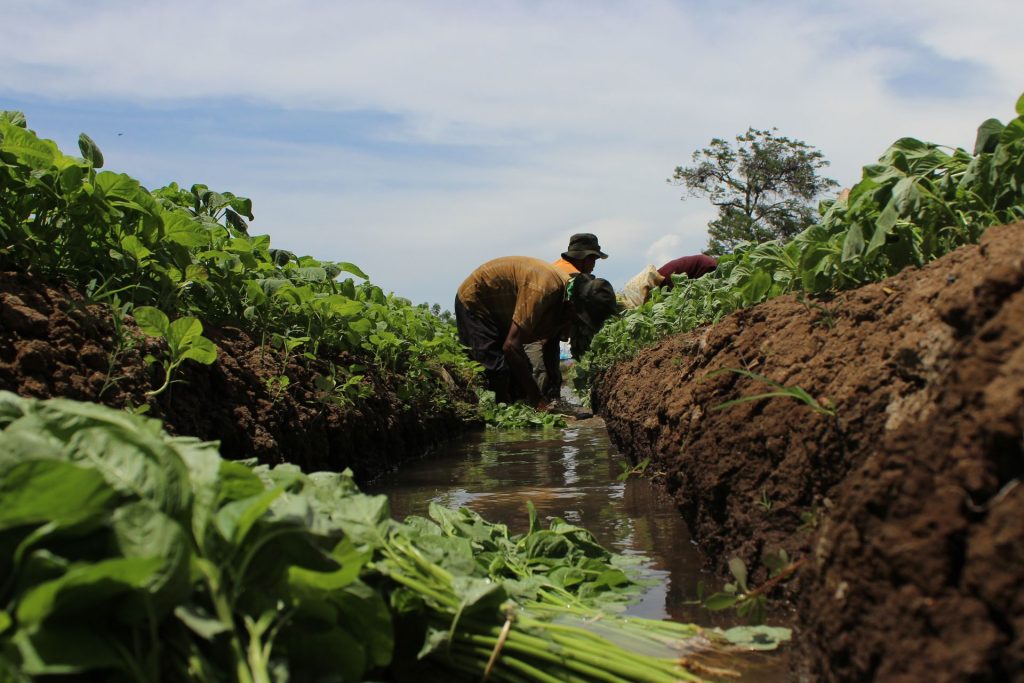
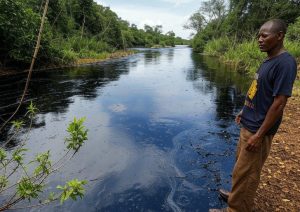
A polluted river in South Africa is being turned into a source of irrigation water using stones, sand, biochar and plants. This offers a practical example of how nature-based infrastructure could support water security in resource-constrained communities.
The project is taking place at the University of Cape Town’s Water Hub in Franschhoek. There researchers are treating polluted water from the Stiebeuel River. The river receives sewage, greywater and litter from the nearby Langrug informal settlement. Inadequate sanitation and drainage in these areas have contributed to deteriorating water quality.
Rather than relying on chemicals or energy-intensive treatment alone, the Water Hub uses engineered systems that mimic some of the filtering processes found in natural wetlands. However, the project is not presented as a replacement for conventional wastewater treatment. Instead, it points to another role for decentralised systems: treating polluted water closer to where the problem occurs and creating opportunities to reuse it.
From Polluted Runoff to Usable Water
The Water Hub operates from a former wastewater treatment plant that had been abandoned and vandalised. Researchers began converting the site into a living laboratory in 2018. Today, polluted river water is pumped into treatment systems using solar power.
At the heart of the process are biofilters and constructed wetland cells containing natural materials such as stone, sand and biochar. The system allows water to move slowly through the filter media. Along the way, physical filtration, microbial activity and plant processes help remove pollutants.
Recent research from the Water Hub reports substantial reductions in ammonia, phosphate and E. coli. A 2025 field-scale study found that the constructed wetland reduced ammonia nitrogen by up to 84%, orthophosphate by up to 75% and E. coli by up to 100% under the conditions tested. The findings are encouraging, but they also come with an important qualification.
The researchers found that treatment performance can change as pollution levels fluctuate. In some cases, additional disinfection was required before the water could be reused for irrigation. The system therefore requires monitoring and careful operation rather than simply being installed and left to run.
That limitation is significant for businesses and policymakers considering nature-based infrastructure. The value is not in replacing every conventional treatment plant. It is in identifying where smaller, decentralised systems can complement existing infrastructure.

Water Going Somewhere Useful
The most interesting part of the project may be what happens after treatment. Some of the treated water is used to irrigate vegetable gardens managed by young women from the informal settlement. According to Water Hub research director Kevin Winter, around 3,000 litres of treated water a day are currently being used for food production. The wider system treats tens of thousands of litres daily.
The gardens add a social dimension to what could otherwise be viewed simply as a water-treatment experiment. Instead of treating contaminated water as waste and stopping there, the project links water recovery with food production, skills development and potential livelihoods.
That approach reflects a broader idea gaining attention in sustainability practice: infrastructure can deliver more than one benefit when environmental and social needs are considered together.
A water system can improve water quality while supporting food production. A former wastewater facility can become a research and training site. Waste materials can become inputs into new processes. For communities facing water stress and limited infrastructure, those connections can matter.
Still, the project should not be romanticised. The Water Hub itself remains a research and demonstration site. Its researchers are continuing to study issues. Some of them include emerging contaminants, treatment capacity, hydraulic performance and the long-term behaviour of the filtration media.
A 2025 University of Cape Town study on crops irrigated with biofiltration-treated water also found some elevated nutrient concentrations. Sodium levels in spinach exceeded the laboratory and WHO reference values used in the study. This led the researchers to call for longer-term monitoring.
The lesson is therefore not that nature can simply solve polluted water. It is that nature-based systems can offer useful treatment options when their limits are understood.
Read Also: Lagos’ Proposed Wastewater Charges Put Sustainability of Urban Sanitation Under the Spotlight
Africa Is Already Testing Similar Ideas
The South African example is not isolated from the rest of the continent. In Nigeria, researchers have also been examining constructed wetlands as a lower-cost approach to wastewater treatment.
A 2024 study published in the Journal of Applied Sciences and Environmental Management assessed a horizontal subsurface-flow constructed wetland for treating tannery wastewater in Kaduna. The system using Phragmites australis recorded removal efficiencies of 97.9% for biological oxygen demand, 94.2% for chemical oxygen demand and 98.4% for chromium under the study conditions. A separate study evaluated different wetland configurations and vegetation, including water hyacinth and Typha species.
These studies do not prove that a South African model can simply be transferred to Nigeria. Water chemistry, climate, pollution sources, land availability, regulations and operating capacity all affect performance. However, they point to a broader African research interest in treatment systems that use natural processes, require relatively simple infrastructure and can operate at smaller scales.
That has implications for sustainability professionals and policymakers. Where conventional infrastructure is overstretched, decentralised treatment could become one part of a wider water-management strategy. For businesses, it also raises questions about how environmental investments can address several community needs at once rather than treating water, food security and livelihoods as separate issues.
The strongest lesson from Franschhoek is therefore not the novelty of using stones, sand or wood. It is the decision to view polluted water as a resource that can potentially be recovered, treated and put to productive use, while recognising the technical safeguards required.
For Africa, where water insecurity, ageing infrastructure and rapid urbanisation increasingly intersect, that is a conversation worth having. Nature-based systems will not replace functioning infrastructure. Yet, alongside better sanitation, stronger governance and continued investment, they may offer another tool for turning environmental problems into more resilient local systems.