

What Are Biodiversity Credits, and Can They Create New Economic Opportunities for Africa?
 ONYINYECHI NWAIGBA
Africa’s forests, wetlands, mangroves and other natural ecosystems support livelihoods, food production and economic activity. As investors explore new ways to finance conservation, biodiversity credits are emerging as a potential source of funding. But can these markets protect nature while ensuring that local communities receive a fair share of the benefits?
Africa’s natural resources have long supported its economies, from forests that provide food and other materials to wetlands that sustain fisheries and mangrove ecosystems that protect coastal communities. Yet the economic value of these natural systems is often overlooked when governments and businesses make decisions about development and investment.
As environmental pressures increase and funding for conservation remains limited, attention is turning to new ways of financing the protection and restoration of nature.
One approach gaining interest is the biodiversity credit market. The idea is to attract money from businesses, investors and other buyers by demonstrating that conservation activities have delivered measurable improvements to biodiversity.
For African countries, this could create opportunities to attract private investment, support conservation projects, develop new environmental businesses and provide income for communities that protect important ecosystems.
However, biodiversity credits are not a guaranteed source of revenue. Their success depends on whether environmental improvements can be measured credibly, whether buyers are willing to pay for them, and whether the benefits reach the people responsible for protecting nature.
For Nigeria, the discussion is particularly relevant. The country depends on natural ecosystems for agriculture, fisheries, water resources, coastal protection and other economic activities. Protecting these systems is not only an environmental concern; it is also connected to livelihoods, business continuity and long-term economic development.
What Are Biodiversity Credits?
Biodiversity credits are instruments designed to represent measurable, evidence-based improvements in biodiversity. These improvements may result from activities such as restoring degraded habitats, protecting threatened ecosystems or improving the condition of an area so that it can support more diverse and healthier wildlife.
In a potential biodiversity credit project, an organization may finance conservation or restoration work. The project’s environmental results are then assessed against an established method, with independent verification helping to determine whether the claimed improvements have actually occurred.
Where a credible crediting framework exists, verified improvements may provide the basis for issuing credits that can be purchased by businesses or other organisations seeking to support conservation.
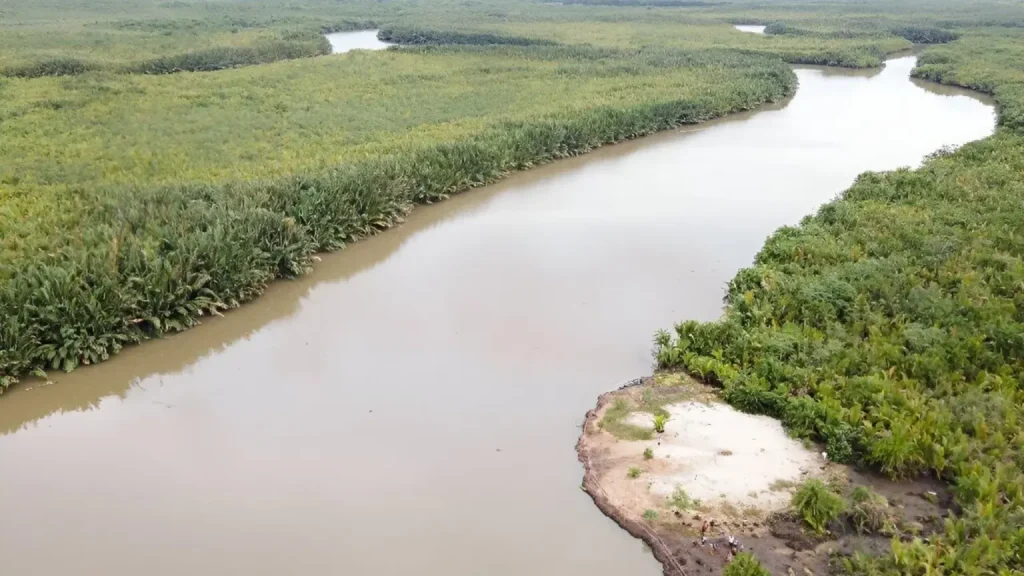
For example, imagine a degraded mangrove area in the Niger Delta. A restoration project could involve replanting suitable native vegetation, protecting the area from further destruction and monitoring the return of species and the recovery of habitat conditions.
If the project produces measurable improvements and meets a credible standard, it could potentially attract biodiversity finance. The money could help cover restoration, monitoring and long-term management costs, while providing financial support to the people involved in protecting the ecosystem.
This is the basic idea behind biodiversity credits: connecting funding with evidence of positive environmental outcomes.
However, not every conservation activity automatically qualifies for credits. A project must demonstrate what has improved, how the improvement is measured, whether it is additional to what would otherwise have happened, and how it will be maintained over time.
The market is still developing, and there is no single universal measure that captures every aspect of biodiversity. This makes credible standards and careful verification essential.
How Are Biodiversity Credits Different From Carbon Credits?
Biodiversity credits are often discussed alongside carbon credits, but the two are not the same.
Carbon credits generally represent a measured quantity of greenhouse gas emissions reduced, avoided under an eligible methodology, or removed from the atmosphere. They are commonly expressed in tonnes of carbon dioxide equivalent.
Biodiversity is more complex. It includes the variety of species, the habitats they depend on, the condition of ecosystems and the relationships that allow nature to function.
A project that restores a mangrove ecosystem in Nigeria cannot automatically be considered equivalent to one that protects a forest in another country. Each ecosystem supports different species, ecological relationships and community needs.
This means biodiversity improvements cannot simply be measured using one universal unit in the same way as carbon emissions.
The assessment may need to consider the size and condition of a habitat, the species present, threats to the ecosystem and whether improvements are likely to last. Different projects may require different measures depending on their ecological setting and objectives.
For businesses and investors, the distinction is important. Buying a biodiversity credit should not be treated as proof that a company has eliminated all its environmental damage. Nor should conservation in one location be used to excuse the destruction of an irreplaceable ecosystem elsewhere.
Credible biodiversity finance should support genuine environmental improvements while encouraging companies to avoid and reduce the harm caused by their own activities.
Why Is Africa Looking at Nature Markets?
Many African economies depend heavily on natural resources, but conservation projects frequently face funding shortages. Governments must balance competing demands on public spending, while conservation organisations and local communities may struggle to secure long-term financial support.
Nature markets offer a possible additional source of funding by encouraging businesses and investors to contribute money towards measurable conservation outcomes.
The potential opportunity extends beyond biodiversity credits alone. Nature-related finance can include payments for ecosystem services, conservation-linked investment, sustainable tourism, restoration projects and financing arrangements that reward verified environmental results.
These approaches may help diversify funding sources and reduce dependence on short-term grants or donations.
Africa’s natural ecosystems also support economic activities that are sometimes overlooked in conventional financial assessments. Healthy wetlands can support fisheries, while forests help protect soils and water systems. Coastal ecosystems can reduce exposure to erosion and provide habitats for species that support local food systems.
When these ecosystems are damaged, the costs can extend to households, businesses and governments. Fishing communities may lose productive habitats, farmers may face declining soil quality, and coastal areas may become more exposed to environmental hazards.
Financing conservation can therefore be viewed as an investment in the natural systems that support economic activity.
However, the size of the opportunity should not be confused with guaranteed commercial demand. Biodiversity markets remain at an early stage, and the ability to attract buyers will depend on the credibility of projects, the rules governing the market and the willingness of businesses to pay for verified environmental outcomes.
What Could Biodiversity Credits Mean for Nigeria?
Nigeria has a range of ecosystems that support livelihoods and economic activity, including mangrove forests, wetlands, inland waterways, forests and coastal habitats.
These environments provide benefits that extend beyond wildlife protection. They support fisheries, agriculture, water systems and other activities on which communities and businesses depend.
If biodiversity finance is developed responsibly, it could help fund projects that protect these ecosystems while supporting local economic development.
1. Restoring mangroves and coastal ecosystems
Mangroves are important to coastal communities because they provide habitat for aquatic species, support fisheries and help protect shorelines. However, pollution, habitat destruction and other pressures can damage these ecosystems.
A well-designed restoration project could attract funding for habitat recovery, long-term monitoring and community-led protection. Where a credible biodiversity credit framework is available, verified improvements might create an additional route for financing the work.
The economic benefits could extend to fishing communities and businesses that depend on healthy aquatic ecosystems. These benefits would need to be measured rather than assumed.
2. Supporting sustainable fisheries
Fish populations depend on healthy aquatic environments, including suitable breeding and feeding habitats. When wetlands and other ecosystems are degraded, the effects can spread through the fishing and seafood value chain.
Conservation projects that improve aquatic habitats could support the natural systems on which fisheries depend.
Potential benefits include stronger ecosystem resilience and improved conditions for fishing livelihoods. However, better fish catches or higher household incomes should not be promised unless monitoring establishes that the project has contributed to those outcomes.
3. Creating opportunities for local businesses
Nature restoration requires services and skills. Depending on the project, these may include ecological surveys, nursery management, restoration work, environmental monitoring, transportation, community engagement and data collection.
This could create opportunities for local enterprises, environmental consultants, researchers and community-based organisations.
Businesses may also develop services that help projects measure biodiversity, manage data, maintain restored areas or demonstrate compliance with environmental standards.
These opportunities would depend on the availability of funded projects, technical expertise, credible buyers and suitable commercial arrangements.
4. Supporting rural livelihoods
Communities often live closest to the ecosystems that conservation projects seek to protect. Their knowledge, participation and long-term involvement can be essential to the success of restoration and protection efforts.
If projects are properly designed, finance could support paid conservation work, training, community infrastructure or other agreed benefits.
But this outcome is not automatic. Project developers must establish fair arrangements with communities, respect land and resource rights, and explain how funding and benefits will be distributed.
The goal should be to ensure that communities are active participants in conservation finance rather than simply expected to protect resources for the benefit of outside investors.
What Would Make a Biodiversity Credit Project Credible?
The attraction of biodiversity credits is that they may connect financial support to measurable improvements in nature. But this only works if the environmental claims can be trusted.
First, projects need a clear starting point. Developers must understand the condition of the ecosystem before the intervention begins. Without reliable baseline information, it becomes difficult to determine whether the project has delivered an improvement.
Second, projects need measurable objectives. These could involve restoring a degraded habitat, improving the condition of an ecosystem or protecting particular species. The indicators must reflect the ecological characteristics of the location rather than rely on broad claims about conservation.
Third, projects need independent monitoring and verification. A project developer should not be the only party deciding whether its work has succeeded. Credible assessment helps reduce the risk of exaggerated claims and gives potential buyers greater confidence in the results.
Fourth, improvements must be additional and durable. Additionality means demonstrating that the positive outcome would not have happened in the same way without the intervention or finance being claimed. Durability means considering whether the improvement is likely to last and how it will be protected from future threats.
Finally, projects must be transparent about their limitations. Ecosystems are complex, and not every improvement can be attributed to a single intervention. Reliable reporting should explain what has changed, how it was measured and what uncertainties remain.
These requirements can increase the cost and complexity of developing projects, especially in locations where ecological data and monitoring capacity are limited. Investment in research, technical expertise and local institutions will therefore be important to building a credible market.
The Risk of Greenwashing and Unfair Benefits
Although biodiversity credits could provide additional conservation finance, they also carry risks.
One concern is greenwashing, which occurs when an organization makes environmental claims that exaggerate or misrepresent its actual performance.
A company should not be able to purchase credits from a conservation project and use that purchase to suggest that all its environmental impacts have been resolved. Financing restoration does not automatically cancel out pollution, habitat destruction or other damage caused by the company’s own operations.
A more credible approach is for businesses to first identify and avoid environmental harm, reduce unavoidable impacts and support restoration where appropriate. Any claims about biodiversity credits should accurately reflect what the project has achieved.
A second concern is the distribution of benefits.
If a conservation project takes place on land or in an ecosystem used by local communities, questions may arise about who controls the project, who receives the revenue and who bears the restrictions or costs associated with conservation.
Without fair agreements, communities could be expected to protect valuable ecosystems while investors and project developers receive most of the financial benefits.
Projects must therefore respect legitimate land and resource rights, involve affected communities in decision-making and provide clear information about financial arrangements. Community participation should be meaningful, and safeguards should be in place to address disputes and unintended harm.
There is also a risk that conservation finance will focus only on ecosystems that can generate attractive commercial returns. Ecologically important areas that do not interest buyers may continue to depend on public funding and other forms of support.
For this reason, biodiversity credits should complement government conservation budgets and other financing methods, not replace them.
What Nigeria Needs to Build a Responsible Market
For Nigeria to benefit from biodiversity finance, it needs an enabling environment that combines credible environmental standards with transparent governance and protection for communities.
One priority is improving biodiversity data. Researchers, universities, environmental agencies and conservation organisations need the capacity to assess ecosystems, monitor changes and establish reliable baselines.
Another is clear oversight. Government institutions need to establish or strengthen the rules that govern environmental claims, project approval, monitoring and accountability. Investors and communities should be able to understand how projects are assessed and what happens when promised outcomes are not delivered.
Nigeria also needs stronger collaboration between government, businesses, financial institutions, research organisations and conservation groups. Each has a different role, from setting policy and providing finance to conducting scientific assessments and implementing projects.
This discussion is especially relevant following Nigeria’s launch of its National Business Action Plan for Biodiversity 2026–2030 in September 2026. The plan aims to encourage businesses and financial institutions to integrate biodiversity into their strategies, investments and operations, while helping mobilize resources for conservation.
Biodiversity credits could potentially contribute to this wider effort, alongside other mechanisms such as blended finance and payments for ecosystem services. They should not, however, be presented as the only solution or as a guaranteed source of funding.
Small businesses and community organisations may also need technical support to participate. Developing a credible project can require ecological expertise, legal advice, monitoring systems and access to potential buyers. Without assistance, smaller local organisations could find it difficult to compete with larger project developers.
Finally, Nigeria should assess success through results. The number of credits issued or the amount of investment attracted is not enough. The country needs evidence that ecosystems are improving, conservation activities are sustained and communities are benefiting fairly.
How Should Businesses Approach Biodiversity Credits?
For companies considering nature-related investments, biodiversity credits should be approached as one possible part of a broader environmental strategy.
Businesses should first understand how their operations and supply chains depend on nature and how they affect it. A company that relies on agricultural products, water or coastal infrastructure, for example, may face risks if the ecosystems supporting those resources deteriorate.
The next step is to identify ways to prevent or reduce environmental damage within the company’s own operations. This could include improving resource efficiency, reducing pollution, strengthening responsible sourcing or avoiding activities that destroy important habitats.
Where businesses support external conservation projects, they should examine the project’s objectives, baseline data, verification arrangements, long-term management plan and community safeguards.
They should also be precise about what their financial contribution means. Supporting a verified conservation project is not necessarily the same as compensating for a company’s own environmental impacts.
For investors, the same principles apply. Strong environmental claims require credible evidence, transparent governance and a clear understanding of the risks involved.
This approach can help prevent biodiversity finance from becoming another marketing exercise and encourage it to support genuine conservation outcomes.
Measuring Success Beyond the Sale of Credits
The real test of biodiversity finance is whether it produces lasting improvements for nature and people.
Environmental indicators could include changes in habitat condition, the recovery of native species, reduced pressure on ecosystems and the continued protection of restored areas.
Social indicators could include local employment, community participation, the distribution of project revenues and the effect of conservation activities on existing livelihoods.
Financial indicators could include the amount of funding reaching conservation work, the proportion used for long-term monitoring and maintenance, and whether the project can sustain its activities after initial funding ends.
These indicators should be established before a project begins and reported transparently throughout its life.
It is also important to distinguish between results directly achieved by a project and wider benefits that may be influenced by other factors. For example, improved household income may depend on market conditions, access to infrastructure and other development activities, not conservation finance alone.
Credible reporting should recognize these complexities rather than claim that every positive change is the result of a single project.
Conclusion: Can Conservation Become an Economic Opportunity?
Biodiversity credits could offer African countries another way to attract private finance for the protection and restoration of nature. For Nigeria, the potential applications include mangrove restoration, wetland protection, sustainable fisheries and community-led conservation.
If projects are credible and well governed, they may create opportunities for environmental businesses, support local employment and help finance activities that protect the natural systems on which communities and industries depend.
But the market remains developing, and its benefits are not guaranteed. Weak standards, misleading environmental claims and unfair benefit-sharing could undermine its purpose.
Nigeria therefore needs to approach biodiversity credits with a focus on scientific evidence, transparent oversight, community rights and measurable results. Businesses must also recognize that purchasing credits cannot replace their responsibility to reduce the environmental damage caused by their own operations.
Ultimately, the objective should not be to turn every part of nature into a tradable asset. It should be to ensure that conservation receives the funding it needs, that the people protecting ecosystems are treated fairly and that economic development does not destroy the natural foundations on which it depends.
Africa’s biodiversity already supports enormous economic and social value. The opportunity is to develop financing approaches that recognize and protect that value while delivering real benefits for nature, communities and future generations.
DON’T JUST ANNOUNCE YOUR IMPACT. PROVE IT.
CSR REPORTERS helps organisations verify, assess, document and communicate the real impact of their CSR and sustainability initiatives.
Project Verification | Beneficiary Feedback | Impact Assessment | Impact Storytelling | Stakeholder Engagement
Have an initiative worth documenting? Let us verify it. Document it. Tell the story.
Talk to CSR REPORTERS
enquiries@csrreporters.com
📞 Call/WhatsApp: 0803 401 2198 | 0903 329 6374 | 0905 024 4468 | 0803 209 8499
www.csrreporters.com