ROSEMARY IMOBHIO
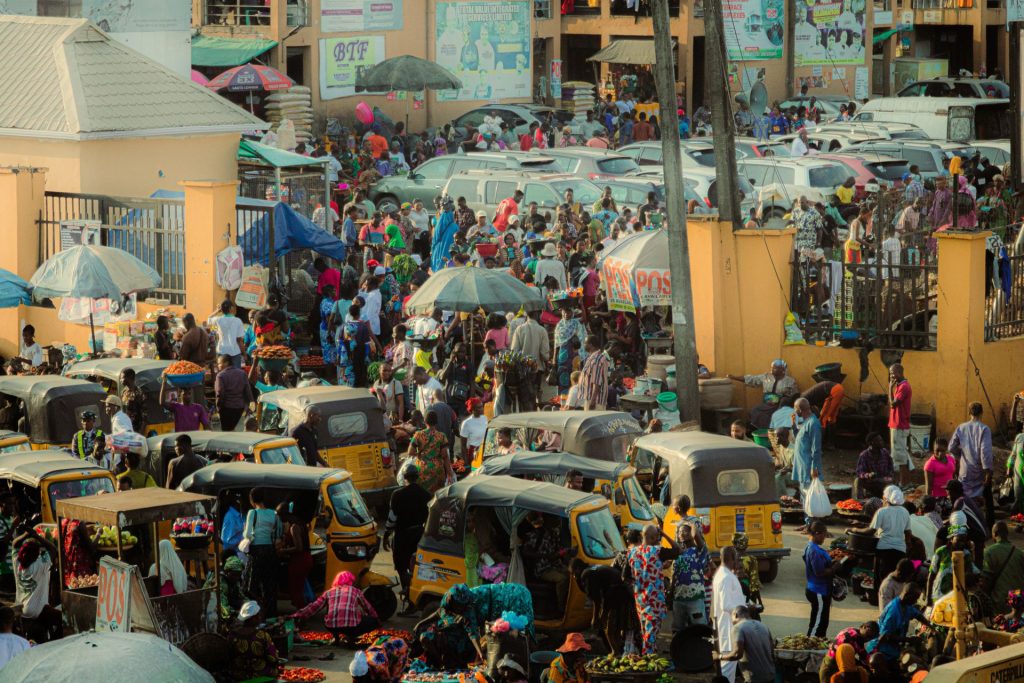
Researchers at the University of Chicago’s Climate Impact Lab project that Nigeria could see about 31,400 additional heat-related deaths between September 2026 and February 2027. In the team’s analysis, that is the highest national total in the world. It is a modelled estimate, not a body count, and the World Health Organization (WHO) says the health effects of heat are largely preventable (1) .
Picture a Lagos commuter queuing in the sun, a trader in an open-air market or a security guard on a twelve-hour shift. For them, heat is more than discomfort. It strains the heart and kidneys, worsens chronic illness and, at its worst, causes heatstroke, a medical emergency. The 31,400 figure is national rather than a Lagos forecast, but these daily routines show where the danger begins.
What The Projection Says
The team combined seasonal temperature forecasts from the European Centre for Medium-Range Weather Forecasts with research on how heat affects death rates in 24,378 regions worldwide. Its estimates show how many more deaths to expect than the average for the same months in 1996 to 2025. “Excess deaths” therefore means deaths above a normal year. It does not mean a fixed number of identifiable people are doomed.
The ranking concerns absolute numbers over this six-month window. Nigeria has an estimated 237.5 million residents, so the total does not show that Nigerians face the highest risk per person. The authors place Nigeria in a group of four Sahel countries, with Sudan, Niger and Chad, that together account for a projected 66,800 additional deaths.
The limits deserve a plain statement. Raquel Nunes, a University of Warwick researcher who was not involved, described the study’s global estimate as plausible but not a definitive prediction (2). CSR Reporters could not confirm that the report has been through journal peer review, although the authors say they converted temperatures into deaths using peer-reviewed Climate Impact Lab research.
El Niño, And What It Does Not Guarantee
El Niño is a naturally recurring warming of the equatorial Pacific that shifts temperature and rainfall patterns around the world. Its local effects vary. The US Climate Prediction Center’s September update gave a greater than 90% chance of a very strong event this winter. NiMet confirmed in August that a strong El Niño had set in.
Those are global and seasonal signals, not local weather reports. A regional AGRHYMET forecast expected warmer conditions and said heatwaves could become more frequent. A seasonal outlook, however, deals in probabilities, not a guaranteed heatwave in every state.
The Lagos forecast checked on 22 October shows highs near 31°C and warm nights, which is hot and humid but not a heatwave. Real danger also depends on humidity, exertion, time outdoors and the chance to cool down at night.
Read: World MET Issues El Niño Warning Signals Global Climate Risk
Why Nigeria May Be Especially Exposed to Heat
The researchers cite estimates that more than 60% of Nigerians lived below the national poverty line in 2025. They also note that even homes with electricity face power cuts. Their related work finds that people in low-income countries have little spare electricity when heat rises, certainly not enough for an air conditioner.
WHO adds that poorer urban and rural residents are often more exposed because of low-quality housing and limited cooling. Informal settlements can run hotter, and metal roofs amplify heat. Manual workers face exertional heat stress, while older people, young children and those with chronic conditions are at greater risk. Heat can also disrupt power, transport and health services when people need them most.
These factors compound one another. A sweltering night without a fan, a crowded commute and a day of physical labour can add up to dangerous strain. Still, risk varies widely by income, occupation and location, and many households do have ways to cool down.
How To Protect Yourself And Your Family
WHO advises drinking water regularly, roughly a cup an hour and at least two to three litres a day. People with heart or kidney conditions should follow their doctor’s fluid advice. Wear light, loose clothing, stay in shade and avoid strenuous activity at the hottest hours where possible. Take short breaks in the coolest spot available, and wet your skin or clothing with water.
At home, open windows after dark when it is cooler outside, and shade them from direct sun by day. Use fans only below 40°C, because WHO notes they can heat the body above that. During power cuts, consider spending the hottest hours in a relative’s home or a shaded, ventilated community space. Check on older relatives, young children and neighbours who live alone, since they may not recognise heat stress.
Heat exhaustion brings heavy sweating, weakness, dizziness, headache, nausea or cramps. Heatstroke is more serious: confusion, slurred speech, seizures, collapse or very hot skin. Treat confusion, seizures or collapse in a heat-exposed person as an emergency and seek medical help at once. Meanwhile, move them somewhere cooler, loosen clothing and cool them quickly with wet cloths, fanning and cold packs on the neck, armpits and groin. Never give fluids to someone who is unconscious or confused.
What Businesses And Employers Must Do
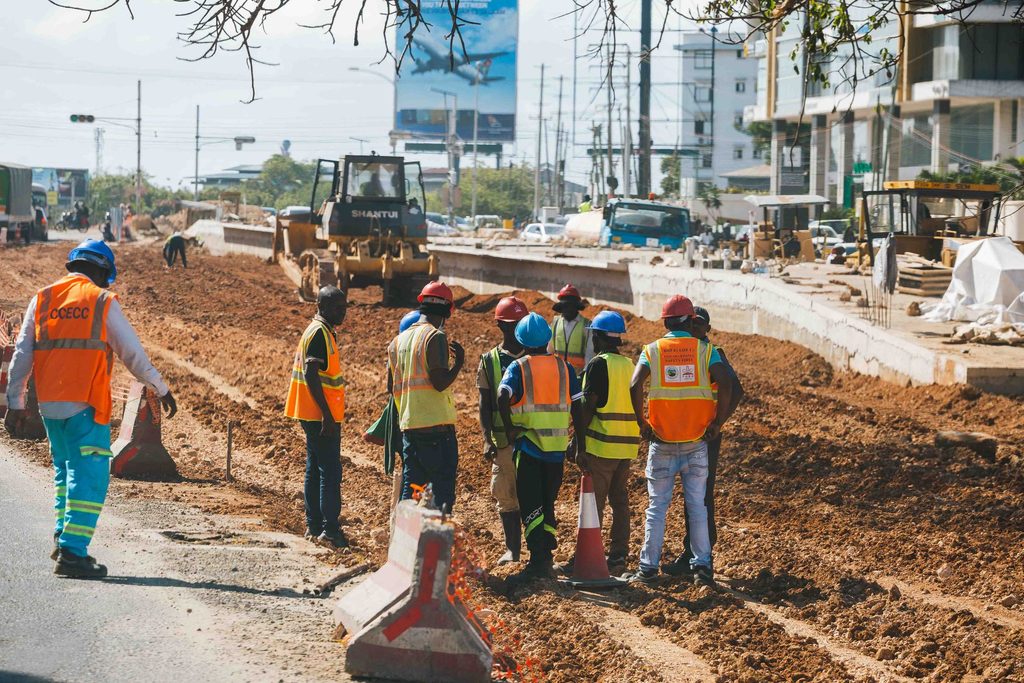
Heat belongs on the occupational health agenda, not just the sustainability report. WHO and the World Meteorological Organization issued guidance to protect workers from heat stress in 2025. WHO also notes that heat reduces productivity and raises accident risk. Not every firm will feel the same effects, but safety and continuity are both at stake.
Employers can start with a heat-risk assessment of every role, especially drivers, security guards, cleaners, delivery riders and construction crews. Provide drinking water, scheduled rest breaks and shaded or cooled recovery areas. Where feasible, move heavy tasks away from midday. Train supervisors to spot heat illness, set out emergency procedures and communicate alerts clearly.
Contractors deserve equal attention. Outsourced guards and cleaners often work in the harshest conditions, yet sit outside the permanent payroll. An air-conditioned executive floor can hide what happens at the gate, in the car park or on the site. Real accountability means prevention, planning and practical safeguards, not only a statement about sustainability.
The Role Of Government And Public Institutions
The study’s authors point to early warning systems paired with heat action plans. An example is targeted outreach to older and vulnerable people. Cooling centres, hydration stations and protections for outdoor workers during peak hours is also important.
They also advise hospitals to hire staff and stock supplies before heat spikes. Those steps depend on coordination among meteorological agencies such as NiMet, health authorities, emergency services and employers.
Warnings must also reach people without reliable internet or spare money to act on them. Radio, text messages, community leaders, markets and transport parks can carry alerts where apps cannot. Beyond heat, NiMet’s 2026 outlook warned of prolonged dry spells in parts of the country. Water stress and farm losses in the north are possible, but they depend on seasonal forecasts that remain uncertain.
From Heat Warning to Preparedness
The projection is not a verdict. It is an estimate of what could happen if conditions and responses stay as they are, which is exactly why it can be changed. Households can cool, hydrate and look out for one another. Employers can protect the people who keep their operations running. Public institutions can build warning and response systems that reach the people most at risk.
Heat protection is a question of public health, worker welfare and social equity. Each of these has an owner. Employers can ask what a hot afternoon means for their lowest-paid staff. Officials can ask whether a warning would reach a market trader. CSR Reporters will keep following how Nigerian businesses and institutions answer.
References
- World Health Organization: WHO. (2026, July 31). Heat and health. Retrieved from https://www.who.int/en/news-room/fact-sheets/detail/climate-change-heat-and-health
- Paddison, L. (2026, September 24). WCPO 9 Cincinnati. WCPO 9 Cincinnati. Retrieved from https://www.wcpo.com