


 csrreporters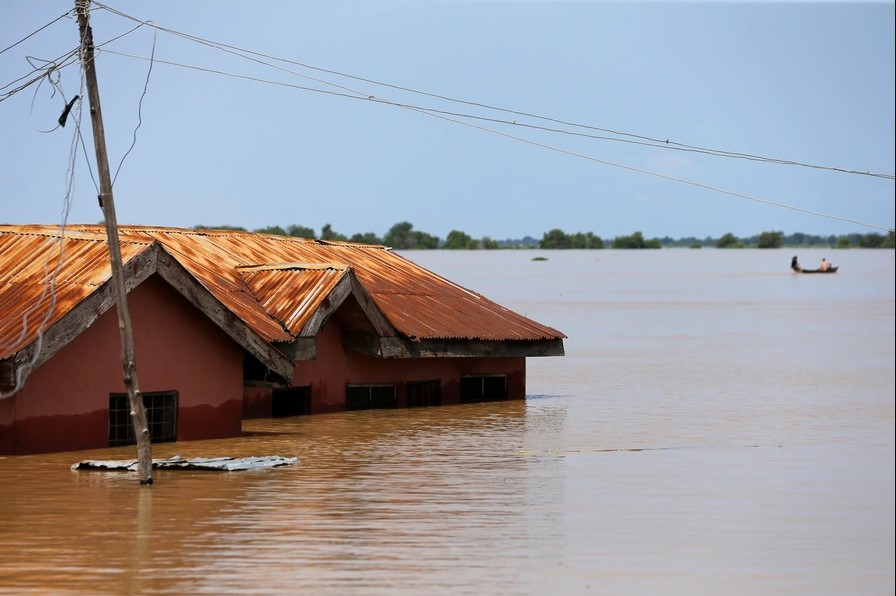
Averting Flood Disasters in Nigeria
Frequent flood warnings, two issued within just 48 hours last week, should be a wake-up call for state governments, disaster response agencies, and citizens to take urgent action and prevent yet another avoidable tragedy.
On August 5, the National Flood Early Warning System Centre forecasted flooding across 19 states within the next five days. That same Tuesday, parts of Ogun, Lagos, and Gombe states experienced severe flooding, leaving residents stranded in their homes and submerging parked vehicles.
By Thursday, the Nigeria Hydrological Service Agency expanded its projection, warning that 29 states plus the Federal Capital Territory faced the threat of flooding between August 7 and 21. This puts most of Nigeria’s landmass in immediate danger.
Only Abia, Ekiti, Enugu, Kano, Katsina, Osun, and Oyo were excluded from this list. Such alerts should trigger immediate deployment of preventive and response strategies. When a disaster is predicted, there is no excuse for letting it happen.
Already, the toll is mounting. On Monday, Afikpo Local Government in Ebonyi State confirmed that flooding had claimed eight lives in the Enohia Itim community and destroyed about 800 farmlands. The National Emergency Management Agency (NEMA) reports that so far in 2025, floods have affected over 140,000 people across 21 states.
Seasonal flooding in Nigeria is often driven by heavy rainfall and the release of water from Cameroon’s Lagdo Dam typically toward year-end. Climate change worsens this risk, as rising global temperatures cause glacier melt and sea-level rise, intensifying coastal flooding and erosion. Ignoring climate change is not an option.
However, poor flood preparedness remains a major national weakness. Urban planning is chaotic, with floodplains and natural drainage routes blocked by buildings. When the waters rise, unprepared authorities scramble desperately instead of executing pre-planned measures. This reactive approach is unacceptable.
The consequences are devastating. In 2012, the country endured one of its worst floods in 40 years lasting from July to October killing 363 people, injuring nearly 6,000, and displacing 3.8 million. Damages were estimated at N2.6 trillion, with Kogi and Benue states hit hardest.
Despite such lessons, 2022 brought another round of catastrophic floods considered the deadliest in a decade leaving 600 dead and 1.3 million displaced. In one tragic incident in Anambra, 76 people drowned when their evacuation boat capsized.
This year has already seen deadly consequences. In May, flash floods in Mokwa, Niger State, killed between 151 and 200 people overnight, with over 600 still missing. Witnesses reported bodies drifting in floodwaters as helpless residents looked on.
To change this grim pattern, Nigeria must strengthen its flood management systems, prioritising prevention over reaction. Early warning networks must be enhanced and consistently acted upon. Clearing blocked drainage channels, demolishing illegal structures on waterways, and enforcing sustainable urban planning laws are urgent tasks. Signage should clearly mark high-risk areas to deter risky construction.
Neglected infrastructure has made floods worse. In September, the collapse of Maiduguri’s Alau Dam caused by poor maintenance left 70 per cent of the city underwater, killing 150 and displacing 800,000 people. The long-promised buffer dam to manage water from Cameroon’s Lagdo Dam, agreed upon since 1982, remains unfinished. It must finally be prioritised over frivolous government spending.
While timely flood alerts and evacuation notices are useful, they must be backed by well-equipped emergency teams with inflatable boats, life jackets, and helicopters for rapid rescues in homes, schools, and public spaces.
If Nigeria acts promptly on these forecasts and commits to preventive measures, the country can break its cycle of “disasters foretold” becoming disasters endured.
[give_form id="20698"]