


 csrreporters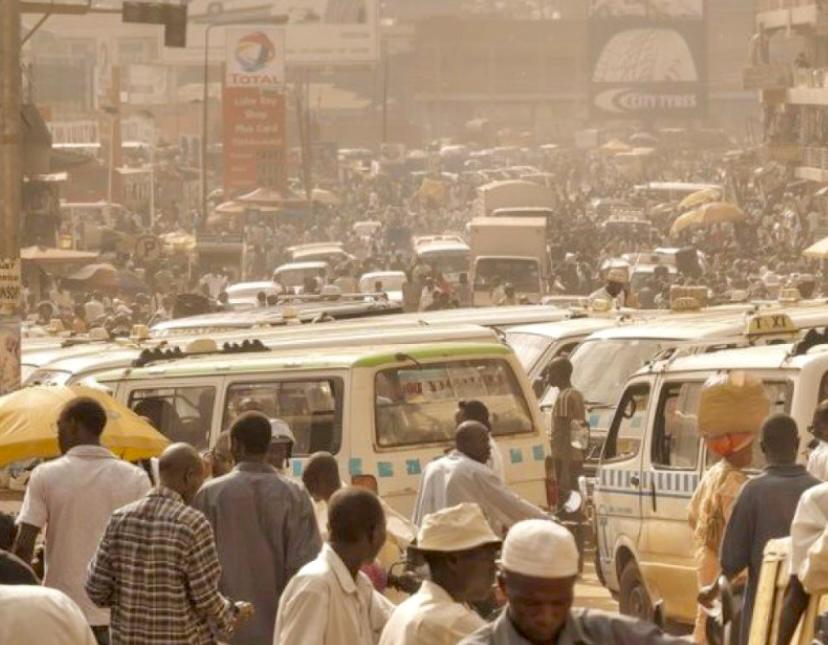
Lagos is hot. Really hot. In recent months, many Nigerians have felt the heat more intensely than in previous years with temperatures hitting well above seasonal averages and residents struggling to cope with extreme conditions. But this isn’t just a temporary discomfort. It’s a stark reminder of how climate change and infrastructure failures can collide, turning everyday life into a public health and economic challenge.
From rising mercury levels to frequent grid outages, the combination of climate change impacts and unstable electricity supply is revealing deeper structural weaknesses in Nigeria’s climate resilience and energy systems.
A Heatwave with Real Consequences
Across parts of Nigeria, especially in urban areas like Lagos and Enugu, residents are confronting unusually high temperatures that make daily life harder. People are reporting that even simple activities like resting at home or sleeping at night have become difficult because of sweltering heat and lack of cooling relief. Many have resorted to staying in shaded areas, increasing water intake, or bathing multiple times a day just to stay comfortable.
The Nigerian Meteorological Agency (NiMet) has in previous years warned that heatwaves with maximum temperatures between 38°C and 40°C are becoming more frequent, making extreme heat an increasingly common phenomenon in the country.
These rising temperatures aren’t just inconvenient they’re symptomatic of broader climate trends linked to global warming. As heat waves become more intense and frequent, they pose serious health risks, particularly for vulnerable populations such as children, the elderly, and outdoor workers. Long term exposure to heat can lead to dehydration, heat stress, and respiratory problems, amplifying the public health burden.
Electricity Outages Make Heat Worse
Imagine enduring blistering daytime heat, only to have the lights go out at night. Unfortunately, this is the reality for many Nigerians. The country’s national power grid continues to underperform, generating far less electricity than needed and suffering frequent disruptions. Even though Nigeria has an installed capacity of over 13,000 megawatts, in reality the grid often produces a fraction of that, leaving millions without reliable power.
In some recent reporting, energy sector experts noted that Nigeria’s grid has seen multiple collapses and persistent outages in 2025 and into 2026, forcing households and businesses to rely on generators or improvised power solutions.
The result? When temperatures spike, so does electricity demand, as households and offices try to use fans, air conditioners, and coolers to stay comfortable, but the grid simply can’t keep up. High demand during heatwaves can strain already fragile infrastructure, sometimes even causing technical failures.
This combination of soaring temperatures and unstable power supply doesn’t just create discomfort, it becomes a significant public health and social issue. When people can’t cool their homes, rest properly, or keep food and medicines preserved, their wellbeing is directly impacted.
Generators: A Costly and Polluting Stopgap
With grid electricity unreliable, many Nigerians turn to diesel and petrol generators as backup power sources. While generators offer short term relief, they come with high financial and environmental costs. From the hidden climate cost of diesel emissions to the upfront expense of fuel itself, this fallback option deepens the crisis rather than solving it.
Heavy reliance on fossil fuel powered generators contributes to air pollution, releasing carbon dioxide (CO₂), carbon monoxide (CO), nitrogen oxides (NOx), and particulate matter into the air. These emissions not only degrade local air quality but also add to global greenhouse gas concentrations, feeding into the very climate change that is causing increased heat in the first place.
Economically, households and small businesses often spend significant portions of their earnings just to power their generators during heat waves. This dynamic particularly hurts lower income families who may not be able to afford high fuel costs, forcing them to suffer in heat with little cooling relief.
Why These Issues Matter for CSR and ESG
For many organizations and stakeholders working in CSR (Corporate Social Responsibility) and ESG (Environmental, Social, Governance), the intersection of climate and energy issues raises critical questions about corporate and public responsibility. Explore how Nigerian companies are driving meaningful impact and sustainability in communities here.
• Climate resilience strategies must extend beyond planning to action. Businesses operating in Nigeria must begin to integrate climate risk into their strategies, not only for reputation but for operational continuity.
• Energy infrastructure failures underscore systemic vulnerability. Unreliable power not only affects comfort but also disrupts essential services, from healthcare to education, deepening socio economic disparities.
• The environmental cost of generator dependence needs attention. Emissions from backup generators contribute to pollution and public health concerns that companies and policymakers should address through cleaner alternatives. When the Heat Hits Hard: Climate Change Meets Power Failures in Nigeria For many organizations and stakeholders working in CSR (Corporate Social Responsibility) and ESG (Environmental, Social, Governance), the intersection of climate and energy issues raises critical questions about corporate and public responsibility.
• Climate resilience strategies must extend beyond planning to action. Businesses operating in Nigeria must begin to integrate climate risk into their strategies, not only for reputation but for operational continuity.
• Energy infrastructure failures underscore systemic vulnerability. Unreliable power not only affects comfort but also disrupts essential services, from healthcare to education, deepening socio economic disparities.
• The environmental cost of generator dependence needs attention. Emissions from backup generators contribute to pollution and public health concerns that companies and policymakers should address through cleaner alternatives.
Companies and organizations paying attention to ESG metrics must recognize that climate adaptation and energy reliability are interconnected. Addressing one without the other leaves communities and businesses exposed.
Possible Pathways Forward
While Nigeria’s energy and climate challenges are complex, there are pathways that could help alleviate the burden:
1. Renewable energy adoption
Solar minibanks, mini grids, and decentralized solar solutions are slowly gaining traction as alternatives to traditional grid power. These options provide more stable, clean energy and reduce dependence on fossil fuel generators.
2. Grid reform and investment
Strengthening grid infrastructure with new technologies such as grid scale storage, smart grids, and improved generation capacity could help reduce outages and better handle demand spikes. Broader investment, including through public private partnerships, will be key.
3. Corporate climate strategies
Businesses that rely heavily on electricity can invest in their own clean energy, such as solar plus battery storage, to ensure continuity, reduce emissions, and lead by example in climate adaptation.
4. Public policy and resilience planning
Government and regulatory agencies must prioritise climate responsive energy policies, from diversifying energy mix to adopting incentives for renewable energy use.
When the Heat Hits Hard: Climate Change Meets Power Failures in Nigeria
The current heat waves, compounded by unstable power supply, are more than a seasonal anomaly. They are a symptom of climate change in action and infrastructural gaps that need urgent attention. For citizens, it’s a lived reality that affects health, comfort, and livelihoods. For organisations and corporate leaders, it’s a call to action to rethink how climate resilience and energy security fit into CSR and ESG plans.
Nigeria’s path forward must intertwine climate adaptation with energy reform, because preparing for tomorrow requires addressing both heat and light today.
[give_form id="20698"]