


 csrreporters
FAAN, Plateau State launch food cargo hub to curb N3.5 trillion food losses, boost food security, and create jobs in Nigeria’s agriculture value chain.
In a major move to combat food insecurity and post-harvest waste, the Federal Airports Authority of Nigeria (FAAN) has partnered with the Plateau State Government to establish a specialised food cargo hub at the Yakubu Gowon Airport in Jos. The project aims to significantly reduce the staggering ₦3.5 trillion annual food losses Nigeria suffers due to poor logistics and storage infrastructure.
The new cargo facility will serve as a strategic agricultural logistics centre, designed to improve the movement of perishable goods from farm to market across the country and beyond. The initiative not only strengthens Nigeria’s food distribution network but also addresses critical social issues such as hunger, rural poverty, and youth unemployment.
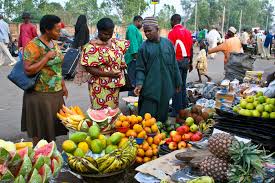
A Lifeline for Farmers and Youth
Agricultural experts say the food cargo hub could be a game-changer for smallholder farmers in northern Nigeria. “Most farmers lose up to 50% of their harvest due to a lack of cold storage and transport. This hub is a lifeline,” said Fatima Audu, a food systems analyst.
The hub will enable faster transportation of fresh produce, dairy, and meat to major urban centres, thereby reducing spoilage, improving earnings for farmers, and lowering food prices for consumers.
In addition, the hub is expected to create thousands of direct and indirect jobs, from logistics to warehousing to tech-based supply chain management, particularly for youth and women, groups disproportionately affected by underemployment.
Tackling Nigeria’s Food Security Crisis
Nigeria faces growing food insecurity, with millions living in hunger despite the country’s agricultural potential. One of the root causes is the broken supply chain—a challenge the cargo hub directly addresses.
“This project is not just about infrastructure; it’s about human development,” said FAAN Managing Director Mrs. Olubunmi Kuku. “It connects farmers to markets, youth to jobs, and food to families.”
Global Export Opportunities
The hub also positions Nigeria to become a regional export leader in fresh produce, opening up new trade routes via air freight. Plateau’s cool climate and rich agricultural output—especially Irish potatoes, vegetables, and fruits—make it ideal for export.
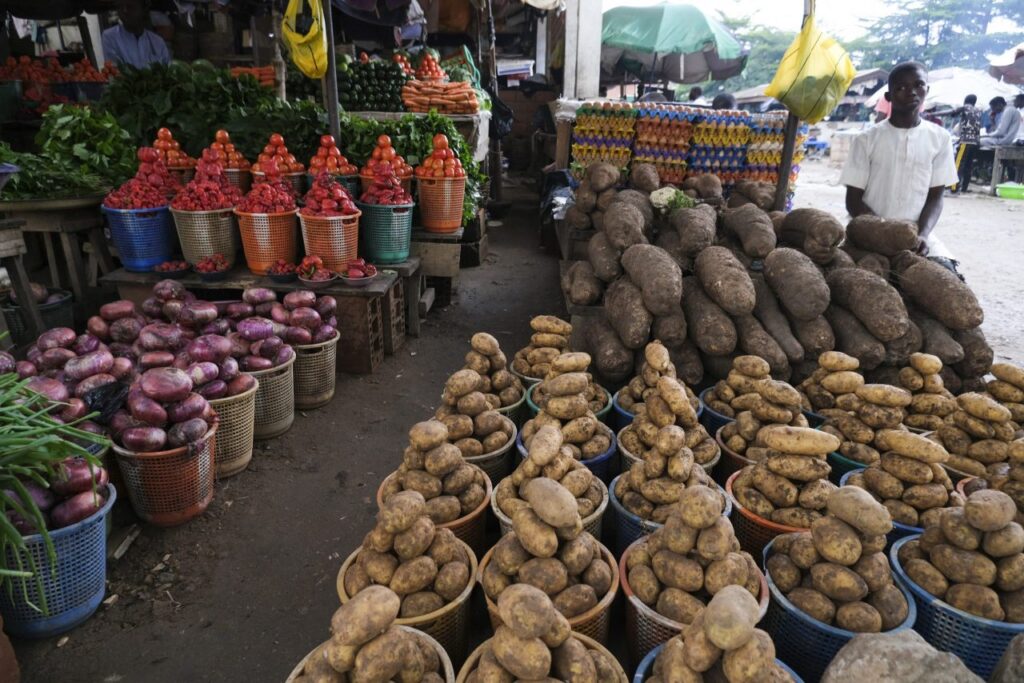
With proper certification and logistics, Nigeria could soon supply fresh food to markets in the Middle East and Europe, generating foreign exchange earnings and boosting the non-oil economy.
Conclusion: A Model for Other States
Stakeholders are calling the FAAN-Plateau food cargo hub a model for nationwide replication, especially in regions with high agricultural output. As Nigeria seeks to build a more resilient, inclusive, and sustainable food system, such public-private partnerships offer a clear path forward.
[give_form id="20698"]