


FAO Launches Nationwide Drive to Bring 3,000 Farmers, Distribute 30,000 PICS Bags to Combat Post-Harvest Losses in Nigeria
 csrreporters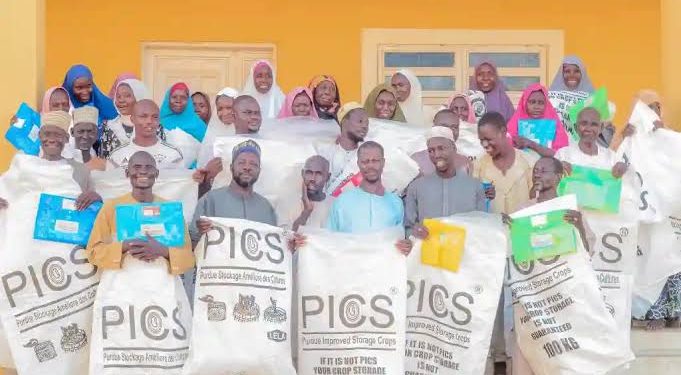
In a bold step toward enhancing food security and reducing post-harvest losses, the Food and Agriculture Organization of the United Nations (FAO) has rolled out a major initiative to train 3,000 farmers and distribute 30,000 Purdue Improved Crop Storage (PICS) bags across Nigeria.
The initiative, in partnership with the Federal Ministry of Agriculture and Food Security and key stakeholders, is designed to tackle one of the most pressing challenges confronting smallholder farmers: the massive loss of harvested crops due to poor storage practices, pest infestations, and lack of access to modern preservation tools.
Through hands-on training and practical demonstrations, farmers will gain critical skills in post-harvest handling, improved storage techniques, and how to effectively use PICS bags—a triple-layered, chemical-free hermetic storage technology developed by Purdue University. These bags significantly extend the shelf life of grains like maize, sorghum, millet, and cowpea by protecting them from weevils, mould, and rodents.
“Reducing food losses is one of the most cost-effective strategies to improve food availability, boost incomes, and enhance nutrition,” said an FAO representative.
The intervention is expected to directly benefit over 3,000 households, enabling them to store produce for longer, access better markets, and earn higher incomes. Beyond food preservation, the initiative contributes to national efforts to reduce food imports, curb inflation, and build climate-resilient agricultural systems in the face of ongoing economic and environmental challenges.
This timely intervention is part of FAO’s broader mission to empower rural communities, promote sustainable farming, and strengthen Nigeria’s food ecosystem from the ground up.
[give_form id="20698"]