


Federal Government Empowers TVET Graduates with Grants and BOI Financing to Promote Inclusive Growth
 csrreporters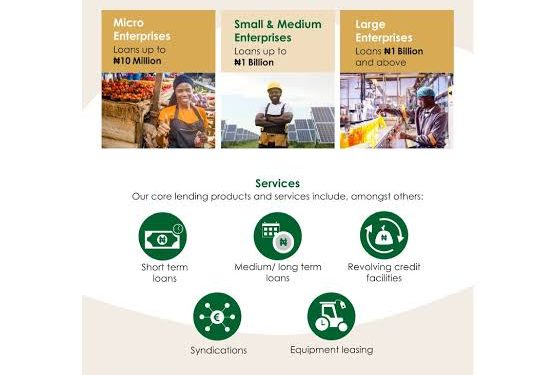
The Federal Government of Nigeria has announced a new empowerment initiative to support graduates of its Technical and Vocational Education and Training (TVET) programme with entrepreneurial grants and access to soft loans from the Bank of Industry (BOI), strengthening the link between skills development and sustainable livelihoods.
The announcement was made by the Minister of Education, Tunji Alausa, during an interview on Channels Television, where he reaffirmed the government’s commitment to positioning vocational education as a catalyst for job creation, youth empowerment, and economic inclusion.
Under the initiative, TVET graduates will receive startup grants upon completion of their training, enabling them to immediately establish micro and small enterprises. Graduates requiring additional capital will also be able to access BOI financing at single-digit interest rates, following strategic engagements between the Federal Government and the Bank of Industry.
Driving Sustainable Skills and Employment
The programme forms part of a broader national effort to reduce unemployment and address Nigeria’s growing technical skills gap. By prioritising high demand trades such as electrical installation, plumbing, tiling, renewable energy services, livestock production, and CNG conversion, the TVET framework aligns skills development with market needs and long-term economic sustainability.
The government has adopted a MasterCraft training model, emphasising 80 per cent practical, hands-on learning and 20 per cent theoretical instruction, delivered by experienced artisans and industry professionals. This approach ensures participants graduate with industry-relevant skills that are immediately deployable in local communities.
Integrated Support for Trainees
Beyond post training financing, the initiative includes monthly stipends of ₦22,500 for trainees during the learning period to support transportation and basic needs. This social support mechanism enhances retention, promotes programme completion, and ensures equitable access for participants from low-income backgrounds.
Advancing a Shared Value Agenda
From a corporate social responsibility perspective, the initiative reflects a shift towards empowerment-driven social investment, combining education, financial inclusion, and enterprise development. By enabling TVET graduates to transition into entrepreneurship or gainful employment, the programme contributes to poverty reduction, local economic growth, and community resilience.
The TVET support framework underscores the Federal Government’s broader vision of building a skilled, self-reliant workforce, reducing dependence on foreign technical labour, and fostering inclusive economic development across Nigeria.