


 csrreporters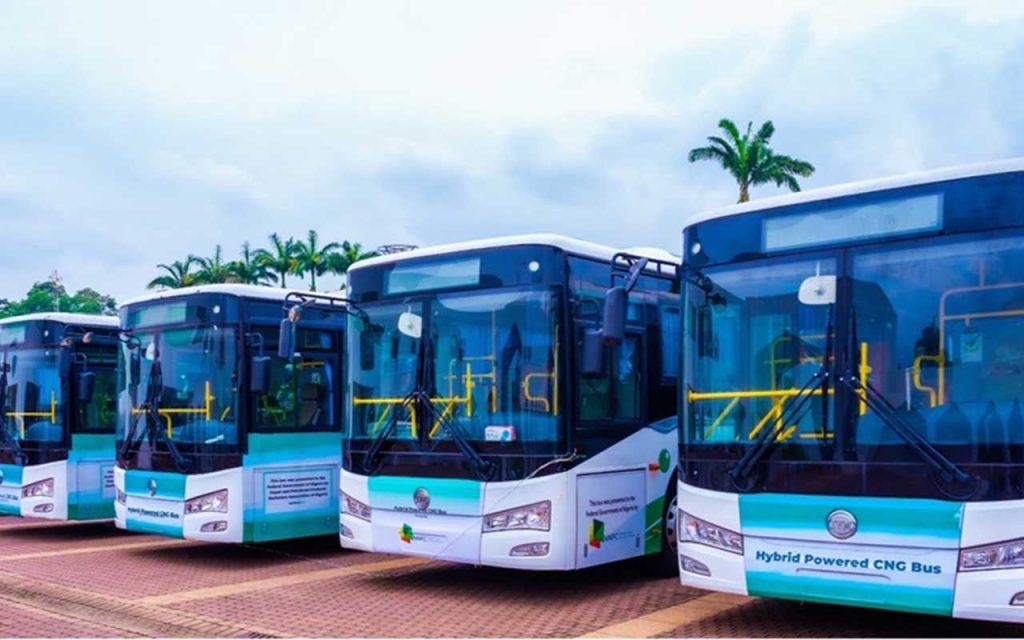
The Federal Government of Nigeria has announced plans to establish Compressed Natural Gas (CNG) and electric vehicle (EV) hubs in Katsina State under its national clean transport program (Presidential CNG Initiative) as part of ongoing efforts to expand alternative transport infrastructure and support the country’s energy transition agenda.
The proposed project, to be sited in Funtua Local Government Area, is expected to include CNG refuelling stations, EV hubs, and vehicle conversion centres designed to support the shift toward cleaner transport systems.
The initiative forms part of broader national efforts to reduce dependence on petrol powered transportation and promote more energy-efficient mobility options across different regions of the country.
Infrastructure and Technical Components
According to details from the Presidential Compressed Natural Gas Initiative, the Katsina project will integrate multiple components of clean transport infrastructure.
These include the development of CNG refuelling stations, electric vehicle charging and service hubs, and conversion centres that will support the transition of existing petrol-powered vehicles to compressed natural gas systems.
The project also includes a human capital development component, with plans to train 500 youths in technical areas related to vehicle conversion, maintenance, and clean energy transport systems.
In addition, authorities disclosed plans to deploy 100,000 vehicle conversion kits in Katsina State as part of the rollout phase, alongside the introduction of CNG-powered tricycles and vehicles to support local transportation needs.
Transport Costs and Mobility Considerations
Transport costs remain a significant economic pressure point across Nigeria, particularly for households and transport operators reliant on fuel-powered mobility systems.
The introduction of CNG and EV infrastructure is positioned within a broader strategy to address rising transportation expenses by providing alternative energy sources for vehicle operation.
For transport operators, the transition is expected to influence operational structures, particularly in areas such as fuel expenditure, vehicle maintenance, and service efficiency.
However, the extent of impact will depend on infrastructure accessibility, affordability of conversion processes, and the speed at which adoption occurs across different regions.
State Level Context and Existing Efforts
Katsina State has already begun implementing elements of clean transport adoption, including the deployment of intercity buses and the introduction of electric tricycles and motorcycles in selected areas.
State officials also noted ongoing conversion activities from petrol-based vehicles to CNG and LNG systems, which are reportedly contributing to reduced transport costs in some cases.
These developments reflect a broader trend of state-level participation in Nigeria’s emerging clean transport ecosystem, where subnational governments are increasingly aligning with federal energy transition objectives.
Implementation and Adoption Considerations
While the announcement outlines a structured approach to clean transport infrastructure development, several implementation factors will determine its long term effectiveness.
Key considerations include operational readiness of infrastructure facilities, affordability of conversion processes, and the scalability of training programmes for technical personnel.
Another important factor is the rate of adoption among transport users, particularly in relation to cost savings, reliability, and service accessibility.
The sustainability of the initiative will also depend on continued investment, regulatory coordination, and effective implementation across federal and state levels.
Energy Transition and Economic Context
Nigeria’s push toward CNG and electric vehicle infrastructure forms part of a wider global shift toward cleaner and more sustainable energy systems, including initiatives such as Nigeria gains momentum in energy access.
In the local context, the success of such transitions is often influenced by economic realities, infrastructure availability, and the capacity of users to adapt to new systems.
The Katsina initiative therefore sits at the intersection of energy policy, transport reform, and economic transition, with potential implications for mobility systems and national sustainability goals.
Conclusion
The planned development of CNG and EV hubs in Katsina State represents a key step in Nigeria’s evolving transport energy transition framework.
While the initiative outlines clear infrastructure and capacity-building components, its long-term impact will depend on implementation efficiency, adoption levels, and practical accessibility of the proposed systems.
As Nigeria continues to expand alternative transport solutions, attention is increasingly shifting from policy announcements to measurable outcomes in mobility, cost efficiency, and system sustainability.
[give_form id="20698"]