


 csrreporters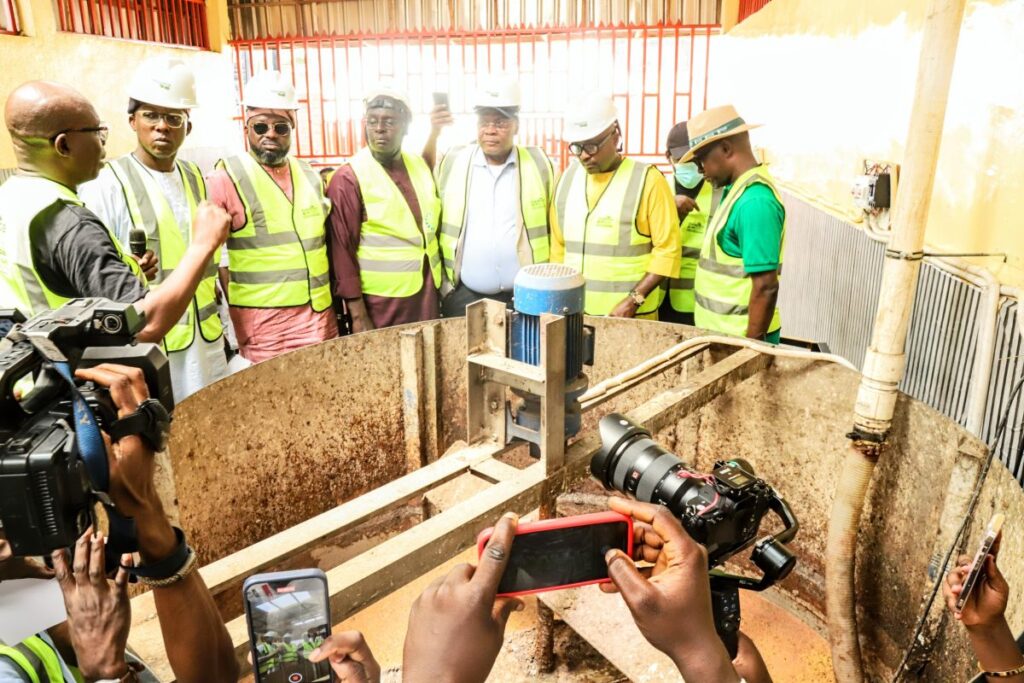
The Lagos State Government has commissioned a biodigester plant at the Ikosi Fruit Market in Ketu, Lagos. The biodigester, in partnership with C40 Cities, is to convert organic waste into biogas and fertiliser. The facility was launched on February 9, 2026, as part of the state’s climate action and sustainable waste management agenda.
The plant will process fruit and vegetable waste generated daily within the market. Its process employs anaerobic digestion, producing biogas for cooking and electricity as well as organic fertiliser for agricultural use. Officials say the project will reduce landfill dependency, improve sanitation, and cut methane emissions from decomposing organic waste.
Lagos generates between 13,000 and 15,000 tonnes of waste daily, however, a significant portion of this is organic. When dumped in landfills, such waste releases methane, a greenhouse gas with a higher warming potential than carbon dioxide. Market clusters have historically contributed to drainage blockage, odour pollution, and public health risks due to inefficient waste disposal practices.
Read Also: Environmental Violations: Lagos Seals Markets in Ketu, Mile 12
Commissioner for the Environment and Water Resources, Tokunbo Wahab, described the initiative as a practical demonstration of circular economy principles, noting that waste from produce sales can now be converted into energy and fertiliser, returning nutrients to the agricultural value chain. This approach supports emissions reduction, improves sanitation standards, and creates potential economic value from waste streams. For traders and residents, improved waste management could translate into cleaner market conditions and reduced exposure to environmental health risks. Also, for small-scale farmers, access to locally produced organic fertiliser may support soil health and reduce input costs.
Outlook
The project aligns with the mandate of the Lagos Waste Management Authority under the Climate Action Implementation programme with the UK International Development. Lagos, a member of the C40 network of global cities committed to climate leadership, has pledged to reduce emissions, strengthen urban resilience, and integrate circular economy models into its waste strategy.
State officials indicate that the Ikosi facility could serve as a pilot for similar installations across other major markets. However, its long-term impact will depend on operational sustainability, emissions monitoring, and scalability across Lagos’ urban waste system. Decentralising waste conversion systems may become an increasingly important component of subnational ESG implementation as Nigerian cities confront climate risks, landfill saturation, and urban sanitation pressures.
[give_form id="20698"]