


 csrreporters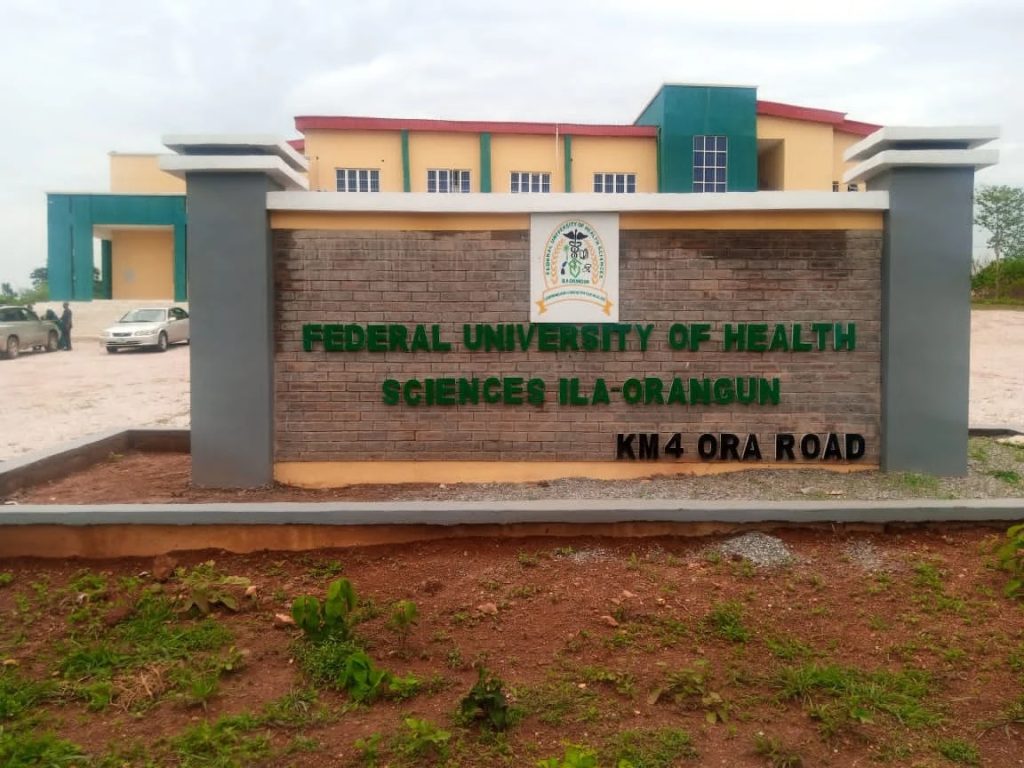
History was recently marked at the Federal University of Health Sciences, Ila-Orangun, as the institution hosted its inaugural lecture, focusing on the future of biotechnology and sustainability. The lecture, titled “Fermenting the Future: Harnessing Microbial Metabolism for Sustainable Biotechnological Innovation,” highlighted the growing relevance of scientific research in addressing economic and environmental challenges.
Notably, the lecture was delivered by Professor Simiat Jimoh, from the Department of Microbiology. She is a leading microbiologist whose work spans industrial fermentation, microbial technology, and sustainable production systems. While the event celebrated academic achievement, it also reflected a broader shift in how Nigerian institutions are positioning research as a driver of national development.
Bridging Science and Sustainability
At the core of the lecture was a clear message: microorganisms, often overlooked, can play a central role in solving some of the world’s most pressing challenges. Specifically, microbial processes were presented as tools for converting agricultural waste into valuable products, including biofuels, industrial chemicals, and biodegradable materials.
See how this Lagos Market is already doing so: Ikosi Market Biodigester to Convert Organic Waste to Energy
Furthermore, the lecture emphasized how these innovations align with global sustainability goals. As industries worldwide move away from fossil-based systems, biotechnology offers pathways toward renewable production and reduced environmental impact. In Nigeria, where agricultural residues are abundant, this approach presents both an environmental and economic opportunity.
In addition, the discussion highlighted how locally sourced microbial strains can be adapted for industrial use. This approach not only reduces dependence on imported technologies but also strengthens local capacity for innovation.
Business in Nigeria Can Take Advantage
Innovations in microbial biotechnology could support companies in reducing waste, lowering emissions, and improving resource efficiency. For instance, converting agricultural byproducts into industrial inputs aligns with circular economy principles, which are gaining traction in ESG reporting frameworks.
Moreover, the social dimension of ESG was also evident. The lecture underscored the importance of capacity building, mentorship, and knowledge transfer. By training students and researchers, universities contribute to a skilled workforce capable of driving sustainable innovation across industries.
Linking Indigenous Knowledge and Modern Innovation
Another key theme was the connection between traditional practices and modern science. The lecturer traced the origins of her research to local fermentation processes, such as those used in producing palm wine and other indigenous products.
However, these practices were not presented as outdated. Instead, they were reframed as valuable knowledge systems that can inform modern biotechnological applications. Consequently, this perspective reinforces the idea that sustainable solutions can emerge from within local contexts rather than being imported.
This approach also aligns with broader CSR narratives in Nigeria, where organizations are increasingly encouraged to integrate local knowledge into development strategies. By doing so, solutions become more culturally relevant and economically viable.
Innovation Amid Resource Constraints
Despite the potential, the lecture acknowledged the realities of conducting advanced research in resource-limited environments. Challenges such as limited funding, infrastructure gaps, and access to technology were highlighted.
Nevertheless, these constraints were also described as catalysts for innovation. By focusing on indigenous resources and adapting processes to local conditions, researchers have developed solutions that are both cost-effective and scalable.
This resilience is particularly relevant for Nigeria’s sustainability landscape. As businesses navigate economic uncertainties, practical and locally adaptable solutions are more likely to achieve long-term impact.
The Role of Academia in National Development
Importantly, the lecture reinforced the role of universities as key stakeholders in Nigeria’s development ecosystem. Beyond teaching, academic institutions are increasingly expected to contribute to research, policy, and industry collaboration.
In this context, partnerships between universities and the private sector were identified as essential. Such collaborations can accelerate the commercialization of research and ensure that scientific discoveries translate into real-world applications.
At the same time, the emphasis on mentorship and human capital development highlights a long-term approach to sustainability. Building expertise today ensures that future challenges can be addressed with locally driven solutions.
Forging Ahead
As Nigeria continues to navigate climate risks, economic diversification, and industrial growth, the insights from this lecture offer a timely perspective. Biotechnology, particularly microbial innovation, presents a pathway for aligning economic development with environmental responsibility.
However, progress will depend on sustained investment, policy support, and cross-sector collaboration. While the science is advancing, its impact will ultimately be determined by how effectively it is integrated into industry and governance frameworks.
In conclusion, the inaugural lecture not only marked an academic milestone but also underscored the growing importance of science in shaping Nigeria’s CSR and ESG future.
[give_form id="20698"]