


 csrreporters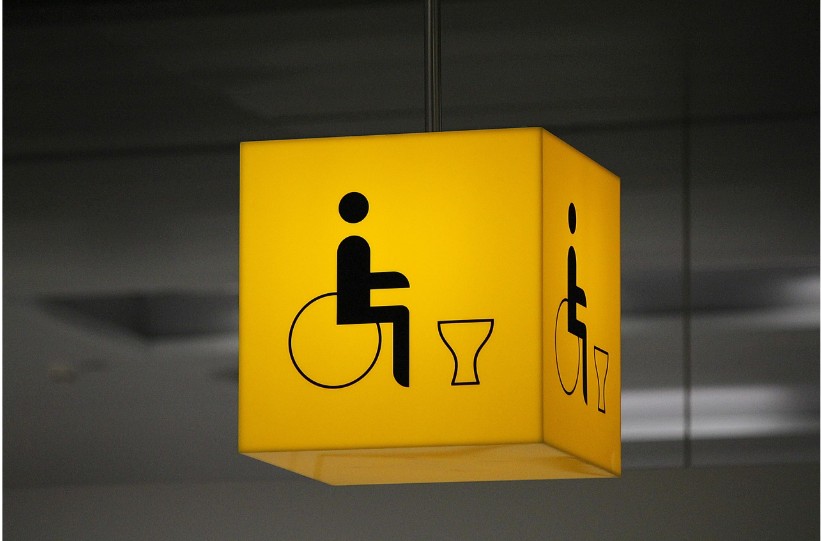
Including the Silent Stakeholders in CSR Planning
Notice that one of the quietest failures of corporate social responsibility practice among corporates is not the absence of projects, but the absence of people who should matter most in their design.
Across management rooms and CSR committees, decisions are routinely taken about communities without deliberately including women, youth, and persons with disabilities. They are expected to benefit eventually, but they are rarely present at the table where priorities are set. This exclusion has become so normalised that it often goes unnoticed, yet it remains one of the strongest reasons many CSR interventions fail to deliver meaningful and lasting impact.
CSR, by definition, is about responsibility to society. A society in which women constitute nearly half the population, youth form the overwhelming majority, and persons with disabilities remain among the most vulnerable cannot be responsibly served through projects that ignore their voices. When inclusivity is treated as an afterthought, CSR becomes selective generosity rather than sustainable development.
In many Nigerian communities, women are the backbone of household economies, agriculture, informal trade, and caregiving. Yet CSR projects frequently prioritise infrastructure or interventions designed without recognising how women access, use, or maintain them. Boreholes are installed without consulting women who fetch water daily. Skills programmes are rolled out without considering women’s unpaid care burdens or mobility constraints. Health interventions are designed without engaging the very mothers who shape family nutrition and wellbeing. The result is predictable, underutilised projects and missed opportunities for deeper impact.
Youth exclusion is equally troubling. Nigeria is one of the youngest countries in the world, yet CSR planning often treats young people as passive beneficiaries rather than active partners. Youth are invited to commissioning ceremonies but excluded from needs assessments, implementation, and governance structures. This sidelining fuels frustration, unemployment, and social disconnection. In fragile communities, it also heightens the risk of youth drifting into crime, extremism, or destructive protests, not because they lack capacity, but because they lack inclusion.
Persons with disabilities remain the most invisible stakeholders of all. Despite Nigeria’s Discrimination Against Persons with Disabilities (Prohibition) Act, many CSR projects still fail basic accessibility tests. Schools are renovated without ramps. Health centres are equipped without sign language support or disability-friendly infrastructure. Livelihood programmes are designed without adaptive tools or training methods. By excluding persons with disabilities at the design stage, companies reinforce systemic inequality and deny millions of Nigerians the dignity of participation.
True inclusion cannot be symbolic. It cannot be reduced to a line in a report or a photograph of diverse faces at a launch event. Inclusivity must be deliberately designed into every stage of CSR planning, from needs assessment to budgeting, implementation, and monitoring. This requires intentional effort, patience, and humility on the part of companies, but it is non-negotiable if CSR is to be credible.
Nigeria’s development history offers sobering lessons. In the Niger Delta, years of exclusionary development approaches that ignored youth and women contributed to unrest and vandalism. In urban centres, skills programmes that failed to engage young people meaningfully collapsed once funding ended. In rural communities, health and education projects that ignored gender dynamics delivered limited outcomes despite heavy investment. These failures were not due to lack of resources, but lack of inclusion.
Inclusive CSR design improves sustainability. When women are involved, projects benefit from local knowledge, continuity, and social legitimacy. When youth are engaged, initiatives gain energy, innovation, and long-term relevance. When persons with disabilities are included, projects become more resilient, equitable, and aligned with human rights principles. Inclusion strengthens ownership, and ownership is the bedrock of sustainability.
Companies often argue that inclusive planning is complex or time-consuming. This argument is short-sighted. The cost of exclusion is far higher. Failed projects, community resistance, reputational damage, and repeated interventions drain resources far more than inclusive consultation ever could. Inclusion is not a charitable add-on; it is a risk management and value creation strategy.
Globally, responsible companies are embedding diversity, equity, and inclusion into their sustainability frameworks, not as moral rhetoric, but as operational necessity. Nigeria’s corporate sector must embrace the same discipline. CSR strategies that do not deliberately integrate women, youth, and persons with disabilities are outdated and increasingly indefensible.
Government agencies, regulators, and civil society also have a role in raising expectations. CSR reporting should move beyond listing activities to demonstrating who was involved, whose voices shaped decisions, and how marginalised groups benefited. Media platforms must continue to interrogate CSR claims and spotlight inclusive best practices, not just ceremonial gestures.
At its best, CSR should amplify the voices of those least heard, not reinforce existing power imbalances. Communities are not homogenous entities represented solely by traditional rulers or political elites. They are living systems made up of women managing households, young people searching for opportunity, and persons with disabilities navigating daily exclusion. Ignoring these realities weakens development efforts and undermines corporate credibility.
[give_form id="20698"]