


 csrreporters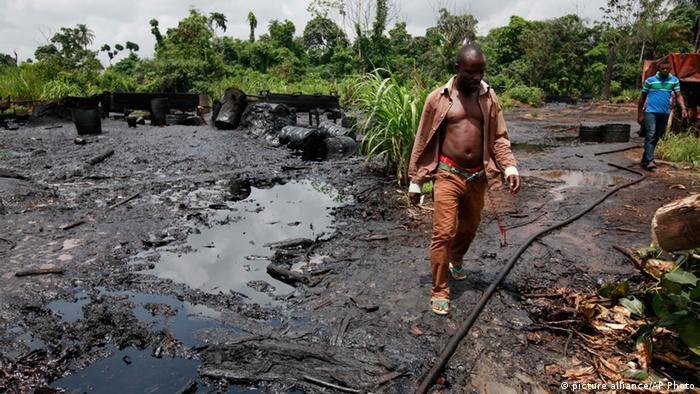
In the heart of Nigeria’s oil-rich Niger Delta lies the Korokoro community in Ogoni Land, Rivers State—a region where the paradox of abundance and deprivation is etched into the very soil. Known for its vast crude oil deposits, Korokoro is a haunting emblem of resource wealth mismanagement. While oil flows freely through its pipelines, the community suffers from poverty, environmental ruin, and a chronic lack of basic amenities.
A Land Blessed, Yet Cursed
Oil exploration in Ogoni Land began in the late 1950s, with multinational companies like Shell taking the lead. For decades, these companies extracted immense profits, contributing significantly to Nigeria’s GDP. However, the benefits of this wealth never trickled down to the local population. Instead, Korokoro and similar communities have become victims of environmental degradation and systemic neglect.
Residents of Korokoro recount a once-thriving agrarian lifestyle, now decimated by oil spills and pollution. Rivers once teeming with fish are now blackened with crude, and farmlands have turned barren. Despite being surrounded by oil installations, many villagers live without access to clean water, electricity, or functional healthcare.
Environmental Devastation
The 2011 United Nations Environmental Programme (UNEP) report on Ogoni Land unveiled harrowing details of contamination. Korokoro was among the most severely affected areas. UNEP found that groundwater in the region contained benzene—a known carcinogen—at levels 900 times above the World Health Organization’s acceptable limits. The soil, too, was heavily polluted, rendering it unfit for agriculture.
Despite these alarming findings, meaningful remediation has been slow. The Hydrocarbon Pollution Remediation Project (HYPREP), established to implement the UNEP recommendations, has faced criticism over delays, poor funding, and lack of transparency.
A Thirsty Community in an Ocean of Crude
The irony in Korokoro is jarring. Crude oil is readily available and extracted daily, yet the community lacks potable water. Residents depend on rainwater or contaminated streams for drinking and cooking, often leading to waterborne diseases.
“We see oil trucks every day, but our children have never tasted clean water from a tap,” laments Mrs. Nnena Bari, a local mother. “We are sick, our land is dead, and our future is uncertain.”
Infrastructural decay is evident everywhere. Schools are poorly equipped, and students often learn under trees or in dilapidated buildings. Healthcare facilities, where they exist, are understaffed and lack essential medicines. Unemployment is rife, especially among the youth, breeding hopelessness and, in some cases, militancy.
Community Voices and Activism
The plight of Korokoro has not gone unnoticed. Local and international activists, inspired by the legacy of Ken Saro-Wiwa—an Ogoni leader executed for his activism against environmental injustice—continue to demand accountability and restitution.
“Korokoro is a symbol of everything wrong with resource extraction in Nigeria,” says environmental activist Bariton Nwibani. “There is no excuse for this level of suffering in a land so rich. We must shift from exploitation to empowerment.”
Community leaders have repeatedly called for direct community development agreements, transparent environmental clean-up processes, and job creation initiatives that prioritize local youths.
A Glimmer of Hope?
While progress has been minimal, some initiatives offer a faint glimmer of hope. NGOs and local advocacy groups have begun small-scale water projects and health outreach programs. There is also growing pressure on both the government and oil companies to fulfill their corporate social responsibility commitments.
The recently launched HYPREP Phase II, if effectively implemented, could mark a turning point. However, it requires unwavering political will, community inclusion, and stringent monitoring to ensure that funds are used appropriately and that remediation leads to tangible improvements.
Korokoro represents a critical test case for environmental justice, corporate accountability, and sustainable development in Nigeria. The crude that flows beneath its feet must cease to be a curse. Instead, it should serve as a catalyst for transformation—building schools, hospitals, clean water systems, and roads.
To achieve this, stakeholders must act decisively. The Nigerian government must enforce environmental regulations and ensure that oil companies adhere to best practices. Multinational corporations must go beyond token CSR projects and invest meaningfully in the communities they operate in. And civil society must continue to shine a light on injustices, demanding transparency and fairness.
Until then, Korokoro remains a place where crude flows better than water—a bitter irony that must not define the future of Ogoni Land.
[give_form id="20698"]