

 csrreporters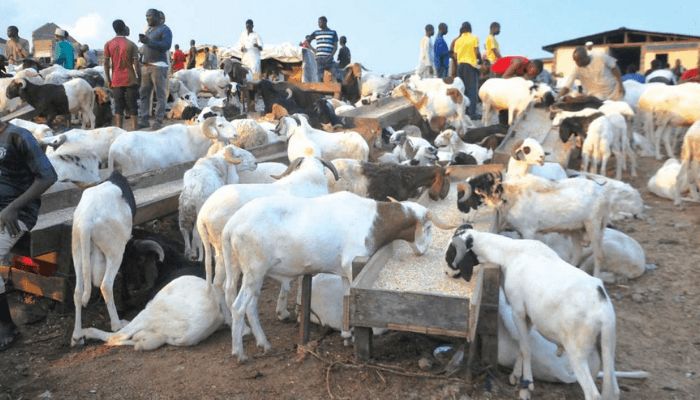
Unlocking Africa’s Livestock Potential
Nigeria and the African Union Inter-African Bureau for Animal Resources (AU-IBAR) are intensifying efforts to build a resilient and sustainable livestock sector. By strengthening value chains, supporting policy reforms, and encouraging investment, the initiative aims to deepen trade integration under the African Continental Free Trade Area (AfCFTA) while promoting food security across the continent.
Africa’s population, currently around 1.2 billion, is driving increasing demand for meat and livestock products. AU-IBAR projects that the continent’s meat market, valued at over $66 billion today, could exceed $100 billion by 2034, with demand reaching 34.8 million tons by 2050. This growing need for protein-rich foods underscores the importance of sustainable livestock production to support both economic growth and societal well-being.
Nigeria’s $50 Billion Livestock Initiative
In response to rising demand, the Federal Government of Nigeria has launched a $50 billion livestock investment programme, supported by private sector partnerships, to expand production, enhance national food security, and strengthen the sector’s contribution to GDP.
Minister of Livestock Development, Idi Mukhtar Maiha, highlighted that red meat, dairy, and leather are priority areas for strategic investment. He emphasized that initiatives in feed production, pasture development, animal health systems, and genetic improvement will help increase productivity while reducing reliance on imports.
“These investments are designed not just to grow the livestock sector economically, but to support the livelihoods of communities across Nigeria, improve food availability, and ensure sustainable production practices,” Minister Maiha noted.
Human and Community Impact
For smallholder farmers and rural communities, the initiative promises significant benefits. This mirrors efforts seen in related local initiatives such as Governor Bago’s livestock revolution, which outlines how livestock development is transforming rural agriculture and economic opportunity in Niger State. (See here).
Improved animal health programs and disease control systems are expected to reduce livestock losses and increase yields, providing more stable income for families. Enhanced access to high-quality feed and fodder systems will allow farmers to raise healthier livestock, contributing to better nutrition and food security for their communities.
Communities that rely heavily on livestock for income, employment, and nutrition will particularly benefit from disease eradication programs, such as the Pan-African Programme for the Eradication of Peste des Petits Ruminants, aimed at eliminating the disease by 2030. These efforts strengthen not just the animals themselves, but the resilience of entire communities.
Continental Progress Through AU-IBAR
AU-IBAR’s 2025 annual report highlights progress in building resilient livestock systems across Africa. Key milestones include the Policy Framework for Economic African Feed and Fodder Sectors and Industries, which provides guidance to countries seeking to establish sustainable and climate-resilient livestock economies.
Through initiatives like the Resilient African Feed and Fodder Systems and Catalysing Transformation Towards Sustainable Livestock Systems, AU-IBAR is supporting countries in mobilizing investments, improving feed and fodder production, and adopting environmentally responsible livestock practices. These programs aim to protect communities, promote climate resilience, and enhance food availability across the continent.
Sustainability and Climate Resilience
Sustainable livestock practices are at the core of this initiative. By emphasizing climate-smart feeding systems, improved pasture management, and disease prevention, the programs reduce environmental pressures while boosting productivity. Healthier livestock means fewer greenhouse gas emissions per unit of meat or milk produced, aligning economic growth with environmental responsibility.
Experts note that climate-resilient livestock systems are not only about sustainability — they are critical for national food security. With rising temperatures and unpredictable rainfall patterns, livestock productivity is highly vulnerable, and community livelihoods depend on proactive measures to safeguard production systems.
Forward-Looking Impact
Nigeria’s livestock sector has the potential to transform national food security, reduce import reliance, and support sustainable economic growth. Coordinated policy, consistent investment, and collaborative public-private partnerships will be essential to fully realize these benefits.
By focusing on community resilience, sustainable practices, and long-term capacity building, the initiative positions Nigeria as a leader in African livestock development. As the sector grows, it will continue to contribute not only to economic output, but also to the health, nutrition, and well-being of communities nationwide.
[give_form id="20698"]