


 csrreporters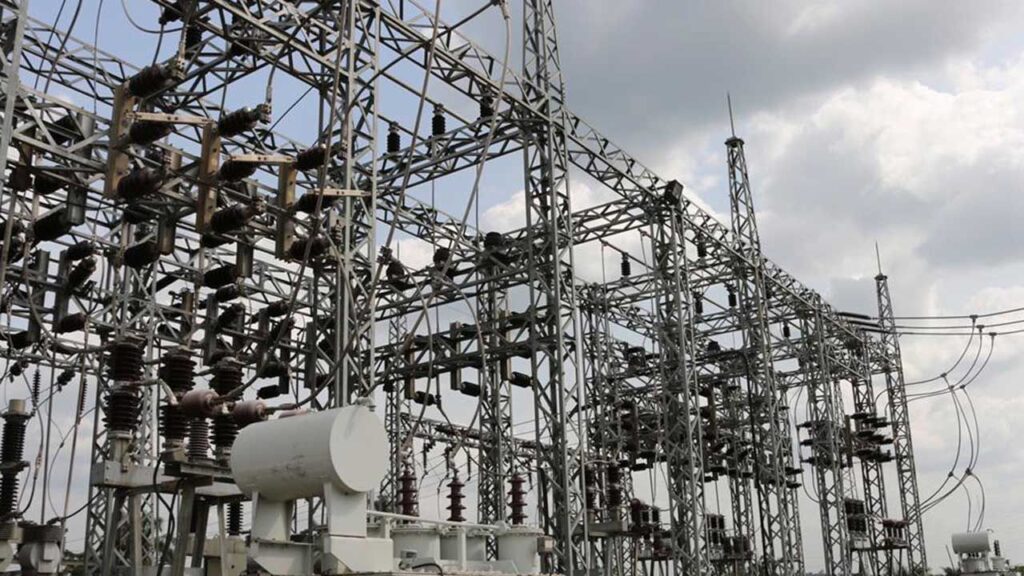
Nigeria’s power sector is collapsing. Corporate Nigeria is bleeding quietly.
The Nigerian Independent System Operator, NISO, confirmed another brutal drop in electricity generation this week. Generation fell to 2,898 megawatts on Wednesday, down 11 percent from Monday’s 3,222MW. For businesses, hospitals, schools, and homes across Nigeria, this is not a statistic. It is another day of darkness.
Distribution Companies, known as DisCos, responded by intensifying load shedding across all business districts. If you run a small business in Lagos, Abuja, or Kano, you already know what that means. Your generator is your lifeline and your single biggest cost.
The Gas Supply Crisis Behind the Blackouts
NISO’s official statement pointed directly at gas supply constraints crippling thermal power plants. By 5:00 AM on Thursday, March 5, 2026, total grid generation had already dropped to 3,940.53MW. That figure was already dangerously below expected capacity. Subsequently, between 6:00 AM and 8:00 AM, several generating units shut down completely. Gas starvation caused a cumulative 292MW loss in just two hours.
The numbers tell an even grimmer story. Nigeria’s thermal plants need approximately 1,588.61 million standard cubic feet of gas daily to function optimally. However, actual gas supply on March 4, 2026 was just 652.92 MMSCF. That is barely 41 percent of what is needed. In other words, Nigeria is operating its national grid at less than half its fuel requirement.
Nigerians Wake Up Sweating and Speak Out Online
The human experience of this crisis is playing out loudly on social media. Nigerians on X, formerly Twitter, have been posting through their misery. “Woke up at 3 AM drenched in sweat. No light since yesterday,” reads one widely shared post. “This heat is unbearable. NEPA has killed us,” wrote another user, invoking the name Nigerians have called the power authority for decades.
The March heat across southern Nigeria is brutal. Without fans or air conditioning, bedrooms become ovens by midnight. Consequently, elderly people, infants, and those with health conditions face real danger. Sleep deprivation from the heat is affecting productivity across the workforce. This takes the situation beyond inconvenience to a public health and social welfare emergency unfolding tweet by tweet.
Read More: Sustainable Energy Approach to addressing Power Grid Crisis in Nigeria
The Freelancer and Work-From-Home Crisis
Nigeria’s growing remote work economy is taking a direct hit. Hundreds of thousands of freelancers, remote workers, and digital entrepreneurs depend entirely on stable power and the internet to earn their income. When the grid fails, they lose billable hours, miss client deadlines, and risk losing international contracts altogether.
For instance, a Lagos-based graphic designer working for clients in Europe cannot explain load shedding to a brand waiting on a deadline. A software developer in Abuja cannot push code from a dead laptop. A content creator cannot upload from a hotspot running on a dying phone battery. As a result, the informal digital economy, one of Nigeria’s fastest growing sectors, is being slowly strangled by the power crisis. These workers have no generator allowance, no corporate diesel budget, and no ESG report to document their losses.
An ESG Crisis, Not Just an Infrastructure Problem
Make no mistake. This is an ESG failure of the highest order. Nigeria’s power crisis carries serious Environmental, Social, and Governance consequences for every company operating here.
On the environmental side, generator dependency is devastating. Millions of diesel and petrol generators run daily across Nigeria’s cities. They pump carbon emissions directly into neighbourhoods, homes, and lungs. Every hour of grid failure is therefore an hour of unregulated, decentralised combustion. Nigeria cannot meet its net-zero commitments while its national grid collapses weekly.
On the social side, the human cost is immeasurable. Hospitals lose power mid-surgery. Small businesses shut down. Workers lose income. Students cannot study. Those who cannot afford generators simply sit in darkness and sweat through the night. Nigeria’s Sustainable Development Goal commitments on affordable, clean energy (SDG 7) are being shredded in real time.
On governance, the accountability gap is glaring. NISO blamed gas suppliers. Gas suppliers will blame pipeline operators. Furthermore, Aso Rock, the presidential seat of power, is reportedly set to disconnect from the national grid entirely this month. If the seat of government cannot trust the national grid, what message does that send to investors, multinationals, and development finance institutions?
What Corporate Nigeria Must Now Demand
Companies with ESG mandates and sustainability reporting obligations must treat this crisis as a material risk. Nigeria’s power instability belongs in your risk registers, your board reports, and your stakeholder disclosures now. Investors and international partners are watching.
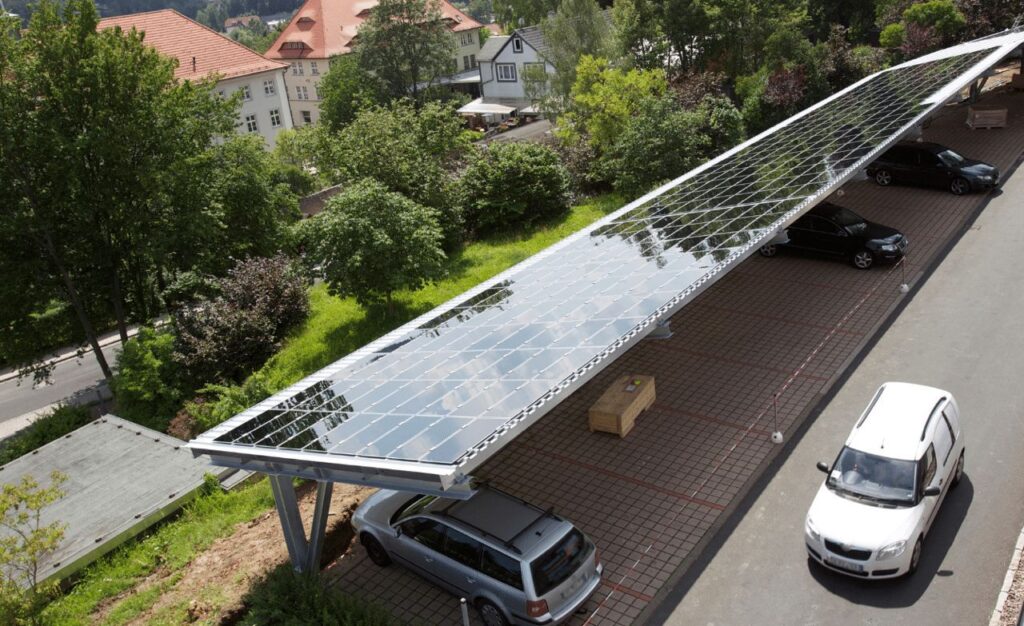
The private sector must go beyond generators and diesel tanks. Solar microgrids, battery energy storage, and energy efficiency investments are no longer optional luxuries. Instead, they are business continuity tools and climate action instruments in one.
Nigeria’s largest corporations must also use their collective voice. Industry associations, chambers of commerce, and trade bodies should be publicly demanding a time-bound government action plan. Gas-to-power infrastructure investment, transparent procurement, and independent grid oversight are non-negotiable asks.
A Country That Deserves Better
NISO says it is working with Generation Companies and gas suppliers to stabilise supply. Nevertheless, Nigerians have heard similar assurances for two decades. The lights still go out. The gas still runs short. The grid still fails.
Nigeria has abundant gas reserves, brilliant engineers, and a resilient population. What it lacks, however, is the governance will and the ESG accountability culture to fix a crisis this fundamental. Until that changes, every business operating here carries an invisible burden that no sustainability report fully captures.
The power must flow. Nigeria’s people, businesses, and climate future depend on it.
CSR Reporters covers corporate sustainability, ESG governance, and responsible business across Africa. Follow us for ongoing coverage of Nigeria’s energy transition.
[give_form id="20698"]