


 csrreporters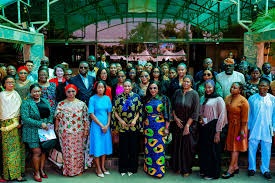
The Platform for African Women in Smart Climate Agriculture (PAWISCA) has reaffirmed its growing influence in reducing food prices and strengthening Nigeria’s food security architecture by placing women at the centre of production, processing, and export-led value chains.
Speaking at a thanksgiving programme held to mark the organisation’s expansion in Nigeria, PAWISCA’s country leadership said the group’s approach goes beyond advocacy, focusing instead on practical interventions that increase food supply, reduce post-harvest losses, and improve access to affordable food. According to the organisation, these efforts are critical to stabilising food prices while improving incomes for producers.
PAWISCA disclosed that it now operates in 45 African countries, with Nigeria’s decentralised operational structure serving as a model for other member states. The framework, anchored on strong state and local government coordination, has enabled widespread participation of women in farming, processing, storage, and trade key areas that directly affect food availability and pricing.
Over the past three years, several Nigerian states have developed export-ready food products through PAWISCA’s collaboration with the Nigerian Export Promotion Council. By supporting value addition, standardised processing, and proper packaging, the organisation has helped reduce waste and seasonal shortages, contributing to more consistent food supply within local markets before surplus is channelled for export.
Operating across all 36 states, PAWISCA works through female local government coordinators and trained members to promote food security beyond primary farming. Its interventions span agriculture, food processing, and climate-smart practices that improve yields and resilience, helping farmers produce more at lower cost while maintaining quality.
Members are transforming traditional food items into shelf-stable products such as powdered egusi, black soup concentrates, plant-based creams, and instant local meals. These innovations not only create new income streams but also improve food availability, reduce spoilage, and make nutritious local foods accessible year-round, supporting national food security objectives.
To deepen impact, structured training for farmers and agro processors is scheduled to commence in January. The programme will focus on improving production efficiency, processing standards, packaging, and regulatory compliance, ensuring that participants can meet both domestic demand and international market requirements without undermining local food supply.
With a nationwide membership of over 5,000, PAWISCA continues to scale through state and local coordinators, encouraging women to convert farms, skills, and local resources into sustainable MSMEs. This expansion, the organisation noted, strengthens grassroots food systems while creating jobs and stabilising prices through increased supply.
At the event, the Lagos State coordination team stressed that PAWISCA’s model prioritises discipline and measurable output, rather than quick financial gains. Projects are assessed based on their ability to increase food availability, reduce costs, and deliver real economic value.
Looking ahead, PAWISCA expressed confidence that its growing network and export-focused standards will further enhance food security and price stability in 2026. The organisation noted that funding support is expected to be released from January to qualified farmers and producers who meet defined production, processing, and food security benchmarks.
[give_form id="20698"]