


 csrreporters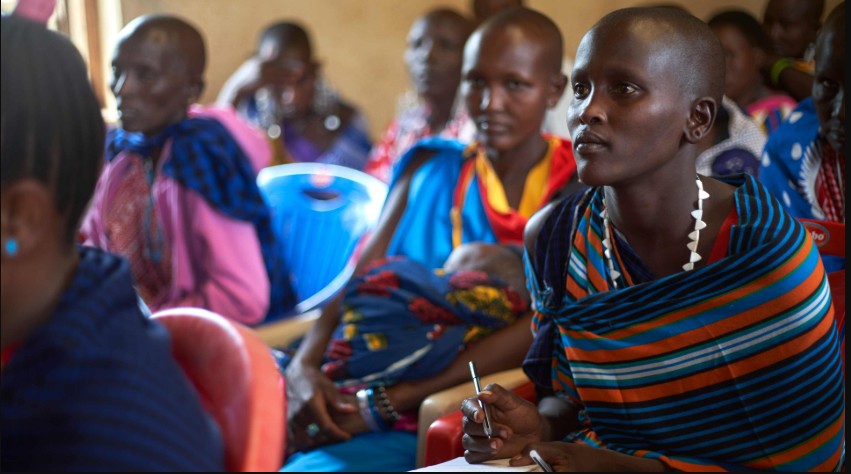
Smart Reasons Your Next CSR Project Should Be Community-Led
We can say it again: It is no longer enough for your well-meaning team to arrive with their OWN blueprint. Yes, they have designed what they believe is the perfect solution: A state-of-the-art computer lab for a secondary school in a semi-urban community. The equipment is top-tier, the branding is prominent and the launch event is impeccably organised. Six months later, the story becomes less glossy. The lab sits locked, unused. The community lacked a consistent power supply to run the machines, no local technician existed to maintain them and the curriculum had no module to integrate the technology.
Honestly, a solution designed in a distant corporate office, no matter how expensive or well-intentioned, can become a monument of misunderstanding. This repeated failure reveals a fundamental truth for brands operating across Africa: Sustainable impact is not delivered to a community, it is built with them.
Your next CSR project must relinquish the blueprint and embrace the dialogue, shifting from being a benevolent provider to becoming a humble partner in co-creation.
This is not about holding a single consultation meeting to rubber-stamp a pre-determined plan. True community-led development begins with the radical act of listening, of seeking to understand the community’s own diagnosis of its challenges and its vision for prosperity. It requires moving beyond the “big men” and engaging the full spectrum of voices, the women’s associations, the youth groups, the artisanal cooperatives, and the traditional councils. A powerful example comes from East Africa, where a multinational beverage company, instead of building another borehole, first spent months with a pastoralist community. Through sustained dialogue, they learned that water scarcity was indeed critical, but the deeper need was for managed grazing solutions to preserve their livelihoods amid climate change. The resulting partnership supported indigenous land-management techniques and small-scale fodder farming, addressing the root cause of vulnerability and earning the company deep, enduring trust. The project suc
In West Africa, the model of co-creation is being redefined by social enterprises and forward-thinking corporates. In Northern Ghana, a project aiming to improve maternal health didn’t start by building a new clinic. It began by training and equipping existing local birth attendants and linking them via mobile technology to district hospitals. It leveraged and strengthened the existing, trusted human infrastructure. For a brand, this principle means your agricultural support project in Nigeria should be shaped by the smallholder farmers’ cooperatives, who understand the soil, the pests, and the market dynamics far better than any external agronomist. Your digital literacy programme should be crafted with input from local teachers and youth leaders on the specific skills that lead to employability in that region.
The benefits of this approach are transformative. Firstly, it ensures relevance and longevity, as projects are rooted in local context and ownership. Secondly, it builds authentic brand equity and social license that no advertising campaign can buy. Communities become fierce protectors and advocates for initiatives they have shaped. Finally, it unlocks innovation. The lived experience and indigenous knowledge within communities are fertile ground for solutions that are both effective and culturally resonant. For brands across Africa, the mandate is clear: Step out of the boardroom and into the circle. Put away the preset proposals and pick up a listening ear.
Really, the most impactful legacy you can build will not be stamped with your logo alone, but knitted collaboratively into the very fabric of the community’s future. You see? Your role is not to be the soloist, but the conductor who empowers the local orchestra to play its own powerful song.
[give_form id="20698"]