


 csrreporters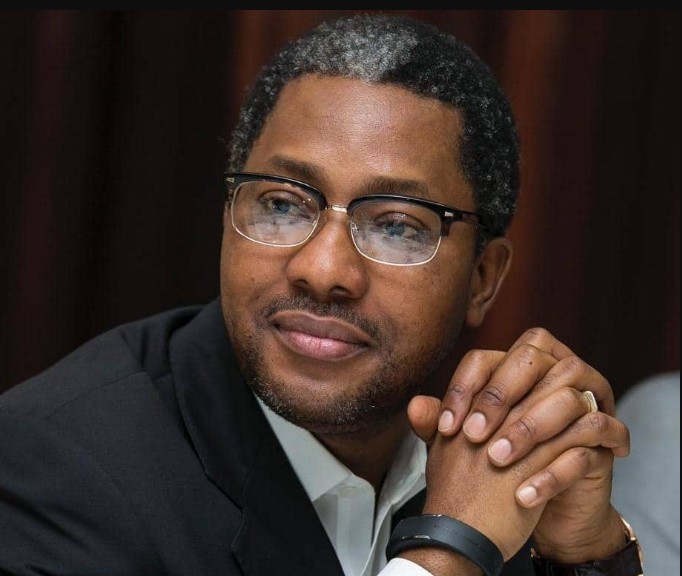
Stefolga Group’s Youth-Centred CSR Pledge for 2026: Blueprint or Buzz?
The Chairman, Stefolga Group, Araba Femi Sanni, has announced a renewed focus on youth-centred Corporate Social Responsibility as the conglomerate positions itself for 2026.
Laudable as this is, declaration offers a pertinent case study in the evolving narrative of Nigerian corporate citizenship. Indeed, the declaration is a significant statement of intent that warrants both acknowledgement for its strategic direction and scrutiny for the tangible execution it demands. It highlights a growing, albeit gradual, shift from peripheral philanthropy to more integrated social investment, while also revealing the common gaps between corporate messaging and measurable, systemic impact.
Analysing the statement through a CSR lens, Sanni’s emphasis on moving beyond the conventional trinity of “education, entrepreneurship and empowerment” to include “talent spotting, nurturing and general reorientation on key national heritages” is a notable, if ambiguous, evolution. It suggests an awareness that true social responsibility involves more than transactional interventions. It requires investing in the holistic development of human capital and cultural identity.
Note that the group’s existing initiatives through Flow FM and sports development ventures, focused on youth participation and skill development in Kwara State, provide a foundational legacy. This historical context is crucial, as it indicates the new focus is not a sudden foray into CSR but a potential scaling and reframing of ongoing efforts. However, the core challenge of CSR strategy in Nigeria, as exemplified here, is the leap from generalised statements to concrete, transparent programmes. The promise that “programmes will be outlined in the days ahead” is the pivotal hinge on which the credibility of this commitment swings. Without specific, time-bound objectives, defined metrics for success, and a clear theory of change, even the most well-intentioned CSR focus risks remaining a public relations footnote rather than a driver of social value.
The true test will be whether these youth-centred programmes are designed as siloed, brand-burnishing activities or as initiatives strategically integrated with the Group’s core business operations across oil and gas, construction, engineering, and property. Strategic CSR demands synergy. For instance, could their construction arm develop vocational training centres? Could their media platform, Flow FM, create dedicated programming for civic education and heritage reorientation that goes beyond event-based promotions? The statement’s claim of “aligning its commercial interests with social initiatives” points toward this integrated model, but the evidence will be in the operational details yet to be revealed. Furthermore, Sanni’s acknowledgment of stakeholders is a positive nod to accountability, yet modern CSR practice calls for deeper, ongoing stakeholder engagement particularly with the youth beneficiaries themselves to co-create programs that address real, not perceived, needs.
CSR Reporters also notes the announcement engages more with the social pillar of ESG (Environmental, Social, and Governance) while leaving the environmental and governance dimensions conspicuously understated. For a diversified group with significant interests in oil and gas and construction sectors with substantial environmental footprints, a forward-looking statement for 2026 that does not explicitly address environmental stewardship or climate-related risk mitigation represents a significant oversight.
Sustainability is not merely community engagement, it is about ensuring the long-term viability of the business and the ecosystems in which it operates. A comprehensive sustainability approach would articulate how the group intends to manage its environmental impact, transition towards greener practices in its core sectors, and embed ethical governance across its sprawling interests. The “responsible business practices” Sanni alludes to must be explicitly defined to encompass environmental compliance, resource efficiency, and transparent governance to meet the full measure of sustainable development.
Not forgetting, the focus on “key national heritages” introduces a nuanced, potentially powerful element to social sustainability. In an era of globalised culture, initiatives that foster positive cultural identity and historical awareness among youth can contribute to social cohesion and resilience. However, this concept must be handled with cultural sensitivity and scholarly rigour to avoid commodification or politicisation of heritage. It presents an opportunity for Flow FM to lead thoughtful discourse, but the partnership with credible cultural institutions will be essential for depth and authenticity.
For us at CSR Reporters, Araba Femi Sanni’s restatement of Stefolga Group’s CSR direction is a commendable signal of strategic intent that recognises the central role of youth in national development. It has the potential to mark a transition from ad-hoc generosity to a more structured, legacy-building social investment strategy. However, from both CSR and sustainability standpoints, the declaration is presently a framework in need of robust architectural detail. Its ultimate impact will be determined by the specificity, innovation, and integration of the forthcoming programmes, and by the group’s willingness to expand its sustainability vision to fully address the environmental imperatives of its industrial operations.
As 2026 is here now, industry observers and the communities of Kwara State will be watching closely to see if this promise of youth-centred CSR matures into a replicable model of how Nigerian conglomerates can authentically build societal value, thereby ensuring their own licence to operate and legacy for generations to come.
Now that the blueprint has been suggested, the building must now begin.
[give_form id="20698"]