


 csrreporters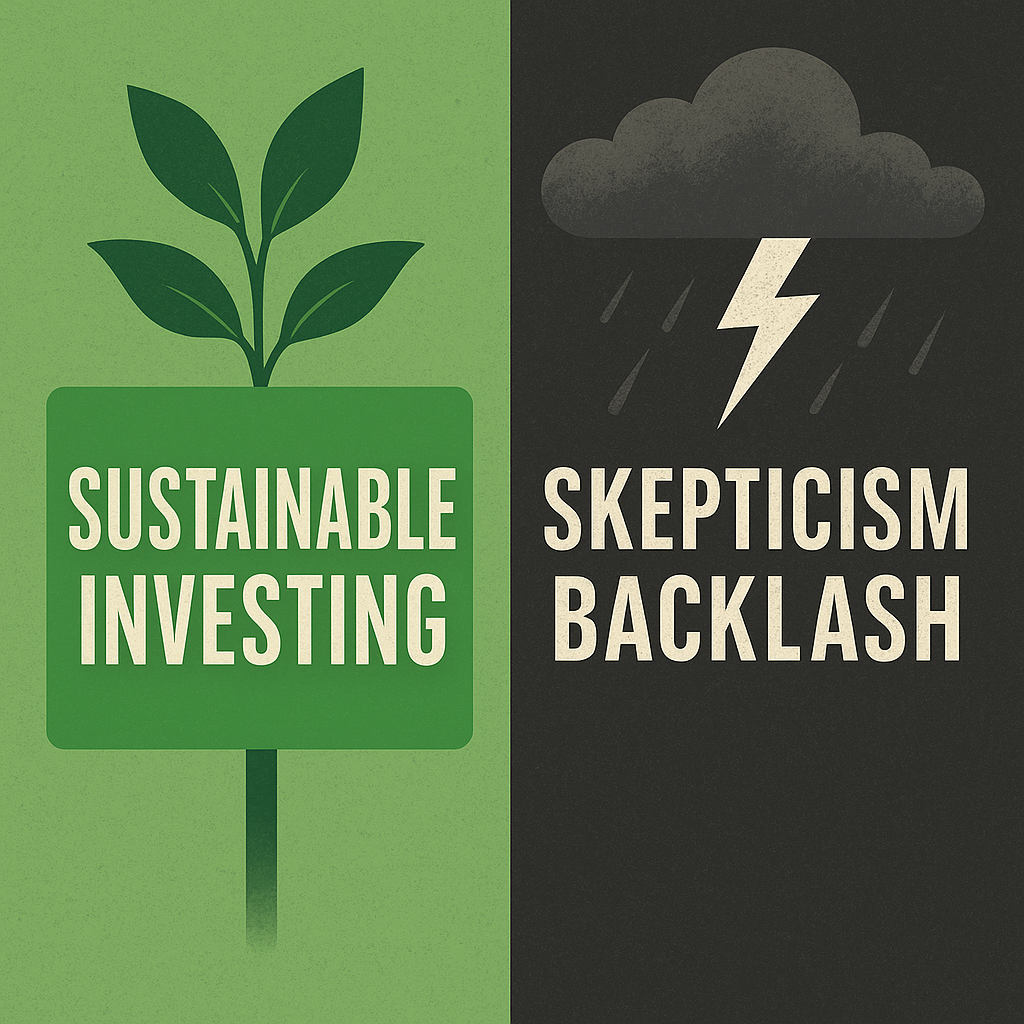
Investors pull back from ESG funds amid political scrutiny, performance concerns, and rising greenwashing fears.
In a startling turn for the sustainable investing movement, ESG (Environmental, Social, and Governance) funds have experienced record outflows, signaling a growing backlash against one of the most significant investment trends of the past decade.
According to recent data, investors pulled billions of dollars from ESG-focused funds in the first quarter of 2025 alone — a dramatic reversal from previous years when such funds enjoyed robust inflows. Once heralded as the future of finance, ESG strategies are now facing mounting skepticism from investors, policymakers, and corporations alike.
What Is Driving the Outflows?
The reasons behind the mass exodus are complex. Firstly, political polarization around ESG has intensified. In some regions, ESG investing has been framed as a partisan issue, with critics arguing that it imposes ideological values on financial decision-making rather than focusing solely on returns.
Secondly, performance concerns have played a role. Many ESG funds underperformed traditional benchmarks during recent market volatility, leading investors to question whether sustainability screens are sacrificing returns for virtue.
Finally, there is a growing critique that ESG investing often falls short of its promises. Accusations of “greenwashing” — where companies exaggerate their environmental or social credentials — have made some investors wary of ESG labels altogether.
The Broader Implications for Sustainable Finance
The decline in ESG enthusiasm poses important questions for the future of sustainable finance. Will companies deprioritize their sustainability initiatives if they sense diminished investor interest? Will asset managers rethink how they integrate ESG factors into investment decisions?
Some experts suggest that this period of reassessment could ultimately strengthen the movement. “The backlash, painful as it is, could be a cleansing moment,” says [Expert Name], a sustainable finance researcher. “It forces the industry to be more rigorous, more transparent, and more focused on material outcomes rather than marketing.”
A Shift Toward “Impact Investing” and Authenticity
Rather than marking the end of ESG, the current turbulence may signal a maturation of the market. Investors are increasingly distinguishing between funds that merely screen out “bad” companies and those that actively engage to drive real-world change. This shift from passive ESG to active impact investing could define the next phase of sustainable finance.
Moreover, regulatory developments around ESG disclosures — both in the United States and internationally — are pushing for greater standardization and accountability, reducing the risk of greenwashing and helping investors make more informed choices.
Conclusion: A Critical Juncture
The record outflows from ESG funds are a wake-up call for the sustainable investment community. Enthusiasm alone is no longer enough; authenticity, transparency, and measurable outcomes are the new currency of trust.
For ESG to survive — and thrive — it must evolve beyond slogans and deliver on the promise of aligning financial success with a sustainable future. The backlash may be a sign not of failure, but of growing pains in a movement that is here to stay.
[give_form id="20698"]