


 csrreporters
Taco Bell has reached a notable milestone in corporate sustainability. Through its partnership with TerraCycle, the fast food chain has successfully collected and recycled one million sauce packets and single serve containers across the United States. This achievement did not happen overnight. Instead, it followed a structured program launched in 2021 to address a persistent waste challenge linked to flexible film packaging.
These materials are widely used in the food industry. However, they are rarely accepted in standard recycling systems. As a result, they often end up in landfills. Taco Bell’s initiative directly tackles this issue by creating an alternative recovery channel. Participants can collect used packets, ship them for free, and have them processed into reusable raw materials.
Importantly, the program accepts packaging from all brands, not just Taco Bell. Therefore, it extends beyond a single company effort and becomes a broader environmental solution. This inclusive approach strengthens its impact and encourages industry wide participation.
Why This Matters for CSR and ESG
Sustainability in the fast food sector no longer stops at sourcing and energy use. Packaging waste has become a central concern. Consumers now expect brands to take responsibility for the full lifecycle of their products. Consequently, companies that fail to address visible waste streams risk reputational damage.
Taco Bell’s program demonstrates a shift from policy statements to measurable outcomes. One million items collected is not just a symbolic figure. It provides tangible evidence of progress. Moreover, it shows that consumer engagement can play a key role in sustainability efforts when systems are simple and accessible.
In contrast, many companies still focus heavily on internal sustainability measures without clearly communicating external impact. While those efforts are important, they often remain invisible to the public. As a result, they do not carry the same weight in shaping perception.
A Nigerian Perspective on Fast Food Waste
In Nigeria, the conversation around fast food sustainability is evolving. Following regulatory action in several Nigerian states, particularly Lagos, the ban on styrofoam and certain single-use plastics forced a rapid shift within the fast food industry. Many brands responded by replacing foam packs with paper-based containers, biodegradable wraps, and improved takeaway packaging.
As a result, outlets that once relied heavily on low-cost plastic solutions began adopting materials that align more closely with environmental standards. In addition, this transition signaled a willingness to comply with policy changes while maintaining operational efficiency and customer convenience.
However, compliance alone is no longer enough in today’s sustainability landscape. While the move away from styrofoam represents progress, it only addresses part of the broader waste challenge. Packaging volumes remain high, and many alternatives still end up in landfills due to limited recycling systems.
Therefore, fast food companies must go beyond material substitution and invest in circular solutions, consumer engagement, and transparent reporting. Without these next steps, current efforts risk being seen as reactive rather than transformative, especially as global benchmarks continue to evolve.
For example, major players such as Chicken Republic, owned by Food Concepts Plc, outlined several ESG commitments in their 2024 sustainability report. These include renewable energy adoption, sustainable sourcing, and waste management partnerships.
The company reports a collaboration with Nigerian Bottling Company and Pakam to support plastic waste recycling in selected outlets. Additionally, it highlights a transition toward paper packaging and biodegradable materials in response to regulatory changes on single-use plastics.
However, there is limited public visibility into the scale or outcomes of these initiatives. While they clearly state the commitments, measurable results are less evident in public discourse. Therefore, it becomes difficult for stakeholders to assess the real impact.
This gap between reporting and visibility is significant. Today’s audiences do not only care about what companies plan to do. They also want to see proof of what has been achieved.
Popular Nigerian Fast Food Brands and the Packaging Question
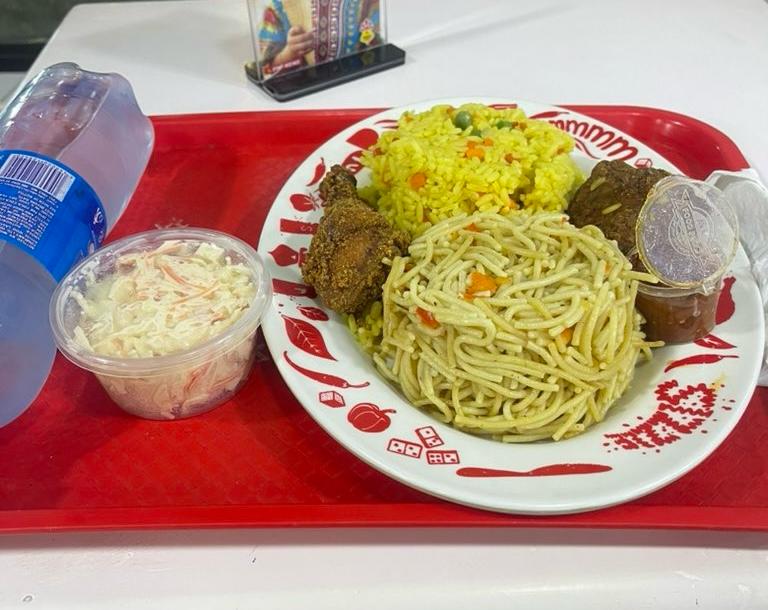
Beyond large-scale sustainability strategies, smaller operational details also shape public perception. Items such as ketchup portion cups, small sauce cups, coleslaw packs, and takeaway containers may seem minor. Yet, they can contribute to a growing volume of single-use waste without proper recycling channels.
For instance, Chicken Republic has already transitioned from sachet-style ketchup packs to small plastic cups with their chicken and chips takeout packs. While this shift may improve user experience, it still raises questions about recyclability because let’s be honest, who is using those tiny ketchup cups for anything else at home? Therefore, it presents an opportunity for further innovation.
For example, could they redesign these containers with compostable materials? Could a collection system similar to Taco Bell’s, where consumers send in these plastic packs themselves, be introduced at scale? How about collaborations on consumer-engaged collections with brands like Chowdeck and Glovo, where a large number of consumers order these plastic takeaways. These questions are becoming increasingly relevant as global benchmarks continue to rise.
Also of Note: The Visibility Challenge
Staying with Chicken Republic, Food Concepts, its parent company, has positioned sustainability as a core part of its strategy. The company highlights achievements across community impact, employment, and supply chain development. Notably, its farmer engagement program has reduced post-harvest losses and increased rural incomes. In addition, its workforce diversity metrics show strong representation of women in leadership.
These efforts reflect a comprehensive ESG approach. However, environmental initiatives related to waste management appear less prominent in public communication. While partnerships for recycling exist, they are not widely discussed or independently verified in the public domain.
This creates a perception gap. Even if meaningful work is being done, the lack of clear, accessible data can limit its impact. Consequently, stakeholders may remain unaware or unconvinced.
In comparison, Taco Bell’s model emphasizes transparency and participation. By allowing consumers to take part in the recycling process, it turns sustainability into a shared responsibility. This approach not only increases impact but also strengthens trust.
The Role of Industry Collaboration
Addressing packaging waste requires more than individual company efforts. It demands collaboration across the value chain. Manufacturers, logistics providers, and recycling firms must work together to create viable systems.
In Nigeria, infrastructure challenges add another layer of complexity. Recycling facilities are limited, and collection systems are often fragmented. Therefore, companies may face practical barriers when attempting to implement large scale programs.
Despite these challenges, partnerships similar to Taco Bell and TerraCycle could offer a pathway forward. By pooling resources and expertise, companies can overcome structural limitations. Furthermore, industry wide initiatives can standardize practices and drive collective progress.
Turning Commitments into Measurable Impact
The fast food industry is entering a new phase of accountability. Sustainability claims are no longer sufficient on their own. Instead, measurable outcomes and visible actions are becoming the standard.
Taco Bell’s milestone highlights what is possible when companies combine innovation with consumer engagement. At the same time, it raises important questions for operators in other markets, including Nigeria.
While brands like Chicken Republic and Food Concepts have already laid a foundation through their ESG commitments, the next step involves translating these commitments into clear, verifiable impact that consumers can see and understand.
Ultimately, the conversation is shifting from intention to execution. As expectations continue to rise, companies that adapt quickly will be better positioned to lead. Those that do not may find themselves facing increasing scrutiny in an increasingly sustainability-conscious market.
[give_form id="20698"]