


 csrreporters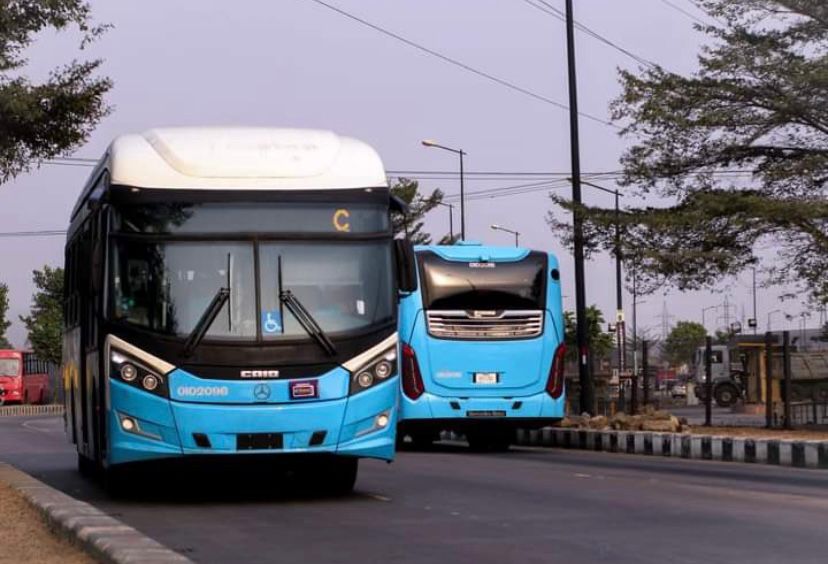
Social media personality Ella has sparked national conversation over Lagos’s public transport system after posting videos showing commuters waiting for hours at the Ikorodu BRT terminal. The videos, which documented long queues and overcrowded buses from as early as 5 a.m., went viral across social media platforms. However, they also highlighted tensions between commuters and transit staff after she reported being harassed by a BRT operator while filming.
Governance Under the ESG Lens
The handling of the incident raises a critical governance question: does transferring staff constitute sufficient accountability? In this case, the operator involved was reassigned but not suspended or disciplined, prompting discussions on disciplinary standards, institutional transparency, and public trust.
Strong ESG governance standards in public service systems require:
• Clear disciplinary procedures for misconduct
• Transparent reporting mechanisms
• Consistent application of accountability measures
Without these, public confidence in agencies like the Lagos Metropolitan Area Transport Authority (LAMATA) can be undermined, and social expectations for responsible service may go unmet.
Social Responsibility: Commuters at the Center
Ella’s videos put a spotlight on the social impact of inadequate public transport. Long waits, overcrowding, and inconsistent service directly affect commuters’ daily lives, work schedules, and overall well being.
From an ESG perspective, public transport agencies carry the responsibility to:
• Ensure respectful and professional staff behavior
• Provide adequate service capacity
• Maintain transparent accountability systems
Failing to meet these standards can erode trust and reduce the effectiveness of service delivery.
Infrastructure and Investment Gaps
LAMATA has publicly acknowledged that bus shortages are affecting service reliability. The agency has also invited private sector participation to help expand fleet capacity, highlighting a potential role for public private partnerships in addressing urban mobility challenges. Lagos authorities had previously announced plans to add more BRT buses to ease transportation hitches, an effort aimed at improving commuter mobility across the state.
These developments underscore a key ESG insight: investing in infrastructure is necessary, but without strong governance and social accountability, improvements may not translate into better commuter experiences.
Looking Ahead
The viral attention brought by Ella is more than just an online trend, it is a case study in institutional responsibility. It demonstrates how governance failures and service limitations can have social consequences, and how transparent accountability and operational efficiency are essential for sustainable public transport.
As Lagos continues to grow and urban mobility demands increase, the challenge is clear: investing in buses and infrastructure is only part of the solution. Maintaining public trust, enforcing staff accountability, and providing reliable service are equally critical to achieving ESG standards in transportation.
[give_form id="20698"]