csrreporters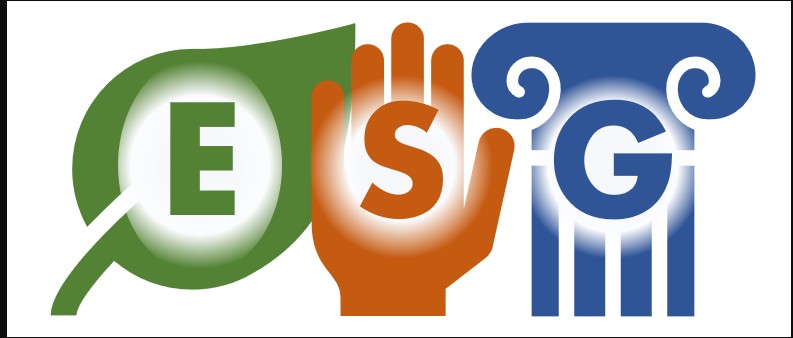
2026 Forecast: The Rising ‘S’ in ESG Will Be Non-Negotiable for Brands
Is your brand prepared for the rise of the ‘S’?
For years, the Nigerian corporate sustainability conversation has moved to a familiar rhythm, the heavy, urgent beat of the ‘E.’ It was the drumbeat of decarbonization, of reducing diesel consumption, of managing waste. It was measurable, reportable, and increasingly tied to cost savings. The ‘G’ hummed in the background, a steady baseline of board diversity and anti-corruption policies.
But the ‘S’ the Social, was often the forgotten melody, relegated to annual charity, staff volunteering days, and photo-ops in underserved communities. It was considered soft, intangible, and difficult to quantify. But listen closely now. A new rhythm is emerging, one that is set to dominate 2026. It is the powerful, complex, and unmistakable beat of Social Justice and Community Equity. The ‘S’ is no longer a side note; it is becoming the headline act, and for brands operating in Nigeria, it is transitioning from a voluntary gesture to a non-negotiable license to operate.
The shift is being driven by a potent convergence of forces. First, look at the demographic drumroll. Nigeria’s population is young, connected, and critically aware. A generation that came of age during #EndSARS, that follows the discourse on X (Twitter), and that witnesses daily the stark contrasts between corporate wealth and community want is developing a sharp eye for hypocrisy. They are not just consumers; they are judges. They can spot “purpose-washing” from a mile away. A brand that posts a slick video about empowerment while its supply chain relies on underpaid casual labour in Ogun State will be called out, publicly, virally, and unforgivingly. The ‘S’ is becoming a key driver of consumer trust and employee loyalty. In 2026, your employer brand and your consumer brand will be directly tied to your social equity footprint.
Secondly, consider the investor lens, now focused through a community prism. It is no longer just about whether your factory has an effluent treatment plant (‘E’). The sophisticated investor is now asking: What is the state of your relationship with the host community next to that factory? Are there simmering grievances around employment, land use, or environmental health that pose a material risk of disruption? The 2022 floods, the ongoing dislocation from climate change, and the perennial challenges of food security have made it clear: a company is only as resilient as the community that surrounds it. Investors are starting to price in social risk. A brand with poor community relations is seen as a high-risk asset, vulnerable to protests, sabotage, and operational shutdowns. In 2026, demonstrating deep, equitable community partnerships not just one-off CSR projects will be a core component of attracting and retaining capital.
So, what does this rising ‘S’ actually demand of brands? It moves far beyond the old model of corporate philanthropy. It requires a foundational re-think.
The days of a brand unilaterally deciding what a community needs—and building a borehole or a school without consultation are over. The rising ‘S’ demands participatory design. It means sitting with community leaders, youth groups, and women’s cooperatives not just to inform them, but to let them lead. It means projects are co-created, with communities holding a stake in both the process and the outcomes. Think of it as moving from being a benefactor to being a partner.
Again, we are good at reporting outputs: “We trained 500 people.” The rising ‘S’ demands we audit outcomes for equity: “Of the 500 people trained, how many were women? How many were people with disabilities? From which income quartiles? Were the training locations accessible to all? What were the actual income changes for the most marginalized within that group?” It’s about disaggregating data to ensure progress isn’t just broad, but fair and inclusive.
Also, the most significant test of the ‘S’ will be in a brand’s core operations. It is about procurement equity actively sourcing from suppliers owned by women, youth, and people with disabilities. It is about workplace dignity ensuring fair wages for security guards and cleaners, not just white-collar staff. It’s about inclusive marketing, representing Nigeria’s dazzling diversity in campaigns not as a token, but as a true reflection of audience and respect. A brand’s commitment will be judged by its quietest supplier contract and its lowest-paid worker, not just its glossy annual report.
For Nigerian brands, this is NOT an alien concept. It is rather a return to a deeper truth. Our traditional communal ethos, the idea of ‘omoluabi’ in the West or ‘ikwu na ibe’ in the East, has always placed the health of the community at the centre of individual success. The modern corporation has, for too long, forgotten this. 2026 is the year it must remember.
The brands that will thrive are those that understand that social justice is not a CSR programme. It is a commercial strategy. It is the ultimate risk mitigation and the ultimate brand building. In a nation of demanding, and digitally-empowered communities, your social license is your most valuable asset. In 2026, the question won’t be “Do you have an ESG policy?” It will be “How is your business actively building a more just and equitable Nigeria?” And the market, the consumers, the talent, the investors will be listening for the answer.
[give_form id="20698"]