

 csrreporters
In a landmark move set to transform Nigeria’s agricultural landscape, FrieslandCampina WAMCO, in collaboration with the Federal Ministry of Livestock Development, has unveiled a state-of-the-art Dairy Academy as part of the Renewed Hope Livestock Model Village initiative. The official launch took place in celebration of World Milk Day, marking a bold step towards revitalising the country’s dairy sector and empowering thousands of rural farmers.
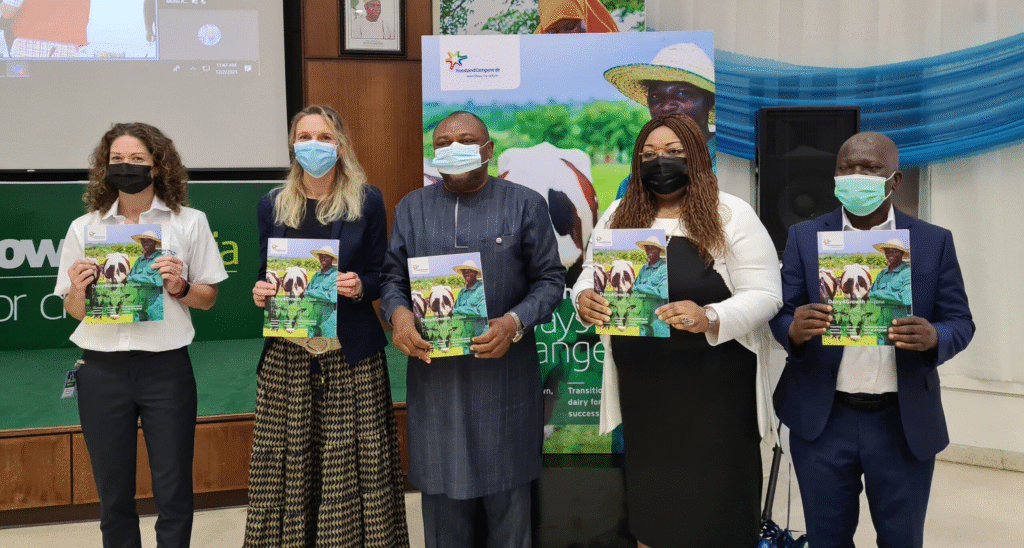
Held against a backdrop of national efforts to reduce dairy imports and promote food security, the event drew key government dignitaries, international partners, and community leaders. The Dairy Academy is designed to serve as a centre of excellence for training, innovation, and knowledge-sharing in modern dairy practices.
Transforming Lives Through Sustainable Agriculture
At the heart of this initiative is a powerful social impact agenda: to uplift rural communities, enhance livelihoods, and create inclusive economic opportunities. With over 95% of milk consumed in Nigeria currently imported, the academy is expected to play a pivotal role in increasing local milk production by equipping farmers with world-class skills in animal husbandry, feed management, hygiene practices, and cooperative enterprise development.
“This is not just about dairy; it’s about people, prosperity, and progress,” said a FrieslandCampina WAMCO representative. “By training the next generation of dairy farmers, we’re building a sustainable future for Nigerian agriculture.”
Empowering Women and Youth in Agribusiness
The Dairy Academy is particularly focused on involving women and youth who are underrepresented in livestock farming. Through targeted programs, the academy aims to break gender and age barriers by offering inclusive access to training, funding opportunities, and support networks.
“Livestock development is central to our Renewed Hope Agenda,” said a Federal Ministry spokesperson. “We are proud to partner with FrieslandCampina WAMCO to bring innovation, skills, and structure to one of Nigeria’s most vital rural industries.”
Boosting Local Production and Food Security
The academy forms a strategic component of Nigeria’s ambition to attain dairy self-sufficiency and cut down on costly imports. It also aligns with the government’s broader goals of achieving food security, climate resilience, and rural industrialisation.
Key features of the Dairy Academy include:
• Demonstration farms for hands-on training
• Veterinary services and animal welfare programs
• Milk collection and storage infrastructure
• Access to dairy cooperatives and credit schemes
A Model for Public-Private Partnerships
This initiative exemplifies the power of public-private partnerships (PPPs) in addressing systemic agricultural challenges. FrieslandCampina WAMCO, with decades of dairy expertise, brings technical know-how and investment, while the government provides policy support, land access, and community mobilisation.
By combining forces, both entities hope to reshape Nigeria’s dairy ecosystem, improve nutrition outcomes, and strengthen rural economies in a sustainable way.
[give_form id="20698"]