csrreporters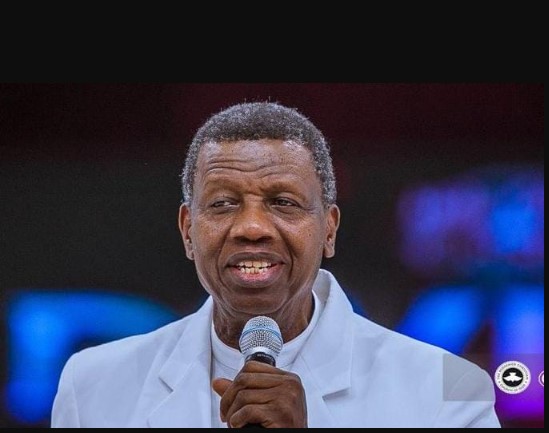
PASTOR ADEBOYE
The announcement by Pastor Enoch Adeboye seeking N10 billion in donations to expand the Redeemed Christian Church of God’s (RCCG) campground, an epicentre of worship and community, is more than a religious appeal, it is a moment that prompts reflection on sustainability, infrastructure foresight and the social responsibilities of large institutions in Nigeria.
Adeboye made the appeal during RCCG’s annual convention, citing a “good problem” of swelling attendance that now spills onto the expressway, a vivid symbol of spiritual growth entwined with infrastructural strain. He appealed for tiered donations, seeking ten members to contribute N1 billion each, a hundred others to give N100 million, and a thousand at N10 million each to build additional dormitory blocks, expand infrastructure, and upgrade water and power networks.
On the surface, it signals faith in collective support and community ownership. But from a sustainability and CSR standpoint, several deeper questions emerge.
First, large-scale infrastructure in high-density facilities such as mega-church campuses functions much like urban development. The campground is effectively an urban township, complete with thousands of attendees, supporting staff, and ancillary services. This expansion must consider environmental resilience, waste management, water usage, energy demands, traffic flow—and ideally, principles like green building, clean energy, and inclusive access.
The plea for funding, while framed as voluntary, necessitates transparency in planning. Should such appeals precede detailed sustainability assessments impact studies, traffic designs, environmental audits? Planning for such infrastructure cannot happen in a vacuum. If a multibillion-naira project is to shape the landscape, it must also contribute positively to ecological balance and community well-being.
There is also the financial equity question. The request though symbolic is significant in a country where many face daily economic hardship. CSR and sustainability require understanding the broader social context. Large-scale fundraising appeals should be accompanied by an acknowledgment of the giver base’s diversity and less visible alternatives like institutional partnerships, legacy funding models, or incremental expansion strategies that ease pressure on congregants and reduce risk.
Beyond funding logistics, the expansion points to opportunities. With Redeemed Camp already spanning over 2,500 hectares and functioning like a small city complete with housing, schools, water systems, and roads, there exists a chance to model sustainable communal living. The leadership could pioneer efforts like rainwater harvesting, solar power, waste-to-energy solutions, or community agriculture, turning the camp into a beacon of responsible development that others can learn from.
There is precedent for faith-based organizations leading by example. Across the globe, religious sites have become centres of sustainability from solar-powered mosques in Kenya to green monasteries in Europe. Why not replicate and localize that in Nigeria?
Additionally, expansion plans must consider social inclusion. Mega-camp expansion risks creating barriers for low-income attendees if costs creep up or access becomes restricted. A true CSR lens should address inclusivity ensuring that expansion enhances, rather than limits, spiritual access for all socio-economic groups.
CSR REPORTERS notes that transparency strengthens trust. If RCCG provides periodic updates how much has been raised, how the funds are used, what timelines and safeguards are in place, it becomes a model of accountability. Congregants and the public alike would see responsible stewardship, not stewardship by stealth.
Public response to the appeal has been mixed, with Nigerians questioning priorities in an economy marked by hardship. That scepticism provides a moment for institutional reflection. If the expansion can be framed as benefiting not just faith attendees but the broader community through shared infrastructure, volunteerism, or even public-private development partnership, it can shift perceptions from exclusivity to community enrichment.
Ultimately, this appeal intersects faith with future-thinking governance. The RCCG’s expansion is not just a religious milestone but an urban development signal. Applied wisely, it could set a standard for ethical, sustainable, inclusive infrastructure development in Nigeria especially for institutions with the financial base and organizational strength to make it matter.
But that requires intentionality. It requires marrying spiritual mandate with social mandate. It requires that fundraising be tied to environmental conscience, equitable access, and accountability. And it requires that the expanded camp become not simply bigger but better in ways that benefit both congregants and wider society.
In short, building hope and housing must go hand in hand. And in building both, leaders set precedents that transcend just sermons.
[give_form id="20698"]