csrreporters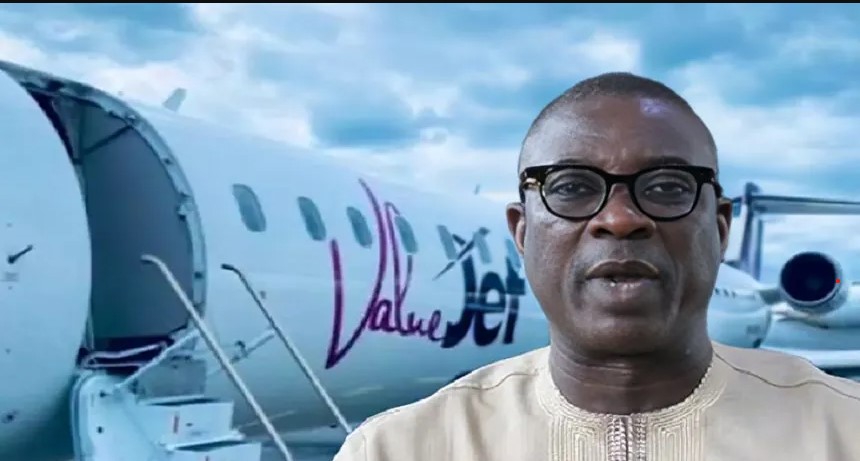
KWAM 1: Safety, Responsibility and the Sustainability of Nigeria’s Aviation Culture
It cannot be put better: In Nigeria, bad behaviour often cascades from the top, with the so-called ‘big man’s’ impunity undermining integrity in every aspect of national life. Yes, one reckless act of public figures can undermine years of effort to build a culture of safety, trust, and accountability.
The recent incident involving Fuji musician Wasiu Ayinde Marshal, popularly known as KWAM 1, and ValueJet Airlines at Nnamdi Azikiwe International Airport has sparked conversations far beyond celebrity gossip. It touches on a much deeper question: how sustainable is Nigeria’s aviation safety culture when rules can be bent or ignored by those with influence?
In a viral video, KWAM 1 was seen standing in front of an aircraft, attempting to prevent it from taxiing. According to ValueJet, the confrontation began when he was denied boarding for carrying a flask containing a liquid that exceeded the 100ml limit for cabin baggage. Such restrictions are not arbitrary; they are internationally recognised safety measures introduced after 9/11 to protect passengers and crew from potential liquid explosives. For a seasoned traveller, ignoring these rules is not just negligence, it is a refusal to respect the systems in place to keep everyone safe.
The situation escalated when the musician reportedly opened the flask and poured its contents on the pilot and others nearby. While KWAM 1 later apologised, claiming the flask contained water for his chronic dehydration, the behaviour still reflects a disregard for established safety protocols. In sustainability terms, safety is non-negotiable, it is the foundation of operational continuity in aviation. When passengers undermine those safeguards, they are not just inconveniencing a flight, they are threatening the trust and reliability the entire system depends on.
But the fault was not his alone. The captain, Oluranti Ogoyi, allegedly powered up the aircraft’s engines while Ayinde and other personnel were close to the plane, another breach of standard safety procedure.
In sustainable aviation, human error is treated seriously because it can have catastrophic consequences. This is why the Nigerian Civil Aviation Authority (NCAA) acted quickly, suspending both the pilot and co-pilot’s licences pending investigation. Aviation safety systems only work when every stakeholder passengers, crew, and regulators adheres to protocol without exception.
The NCAA also placed KWAM 1 on a six-month domestic and international no-fly list. This response is important not only as a deterrent but as a statement: In a sustainable safety culture, rules apply to everyone, regardless of celebrity status. Accountability is a critical pillar of sustainability whether environmental, social, or operational. Without it, even the best-written policies are meaningless.
This episode also highlights structural weaknesses in Nigeria’s airport security systems. In a truly sustainable aviation environment, passengers should not have physical access to aircraft on the tarmac without strict supervision. Internationally, airbridges or secure boarding gates are standard, preventing unauthorised interference with operations. That a passenger could walk up to an aircraft and block its movement points to lapses in the Federal Airports Authority of Nigeria’s (FAAN) facility design and security protocols. If such a breach can occur, the industry must ask: what else is slipping through the cracks?
There is also the matter of public awareness. Many Nigerians are unfamiliar with the specifics of aviation safety rules, including liquid restrictions, on-board conduct, and the penalties for violating regulations. A sustainable aviation strategy would prioritise public education campaigns in airports, on tickets, and via airlines’ communication channels. Passengers cannot comply with rules they do not understand, and continuous engagement builds a shared sense of responsibility.
Globally, similar incidents are met with swift, transparent consequences. In the United States, passengers who disrupt flights can face heavy fines, no-fly listings, and even criminal prosecution. In the UK, disruptive passengers can be charged under the Air Navigation Order, facing imprisonment. This clarity in consequence is a key ingredient in sustainable safety culture, it reinforces the message that air travel is a privilege that comes with shared obligations.
For Nigeria’s aviation sector to truly operate sustainably, it must address both individual and systemic issues. On the individual side, there must be zero tolerance for celebrity exceptionalism or “big man” behaviour that ignores rules. On the systemic side, FAAN, the NCAA, and airline operators must close loopholes that allow these disruptions in the first place through infrastructure upgrades, better staff training, and robust incident response systems.
Ultimately, aviation sustainability is not just about reducing carbon emissions or adopting fuel-efficient aircraft; it is also about ensuring the long-term viability of the system through safety, trust, and accountability. This incident, while embarrassing, could be a turning point if it prompts deeper reforms. A society that tolerates disregard for safety from the top will find it difficult to enforce discipline at the bottom. But if Nigeria’s aviation regulators, airlines, and passengers commit to upholding safety rules consistently, the industry can move toward a future where such incidents are rare and swiftly resolved when they do occur.
[give_form id="20698"]