csrreporters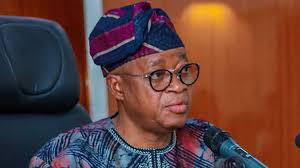
Nigeria is set to reduce its heavy reliance on fish imports through a sweeping aquaculture and blue economy programme that prioritises local production, job creation, and sustainable livelihoods.
The Minister of Marine and Blue Economy, Adegboyega Oyetola, announced fresh measures on Thursday to expand fish farming clusters, improve artisanal fishing methods, and boost aquaculture development nationwide. He explained that the strategy aims not only to conserve foreign exchange but also to generate thousands of jobs, particularly in coastal and riverine communities.
“We cannot continue to import what we have the capacity to produce locally,” Oyetola said. “This will not only save foreign exchange but also empower our people with jobs and sustainable incomes.”
A central pillar of the plan is youth and women empowerment. The ministry is rolling out initiatives that will equip them with the skills, resources, and market access needed to lead thriving marine-based enterprises.
The push follows the Federal Executive Council’s recent approval of Nigeria’s first National Policy on Marine and Blue Economy—a framework designed to harness oceans, rivers, and coastal assets for wealth creation, food security, and inclusive growth.
Development partners are already pledging support. The World Bank has committed to providing technical assistance, capacity building, and financing for key projects in the sector. Gladys Fajomu, who led the Bank’s delegation, praised Nigeria’s leadership and reaffirmed its readiness to back policy implementation, infrastructure expansion, and private-sector participation.
With the policy in place and international backing secured, Oyetola expressed confidence that Nigeria is on course to unlock the vast potential of its marine resources, cut import dependence, and position itself as a continental leader in the emerging African blue economy.
[give_form id="20698"]