csrreporters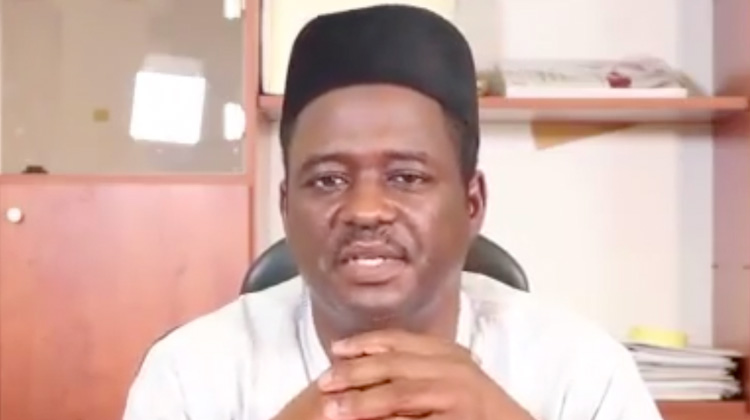
The Federal Government has reaffirmed its commitment to turning Nigeria’s creative sector into a major source of youth empowerment and economic growth, calling on global investors to tap into the country’s thriving creative economy.
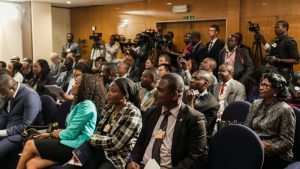
Permanent Secretary of the Ministry of Arts, Culture, Tourism, and Creative Economy, Mukhtar Mohammed, made this known on Thursday in Abuja at a press conference announcing the Creative Economy Week 2025.
He described the sector as a “secure, high-yield frontier” for investors, stressing that Nigeria’s young creatives from Nollywood actors to fashion designers, musicians, visual artists, and digital innovators—are at the heart of a global cultural wave.
“For Nigeria, our creative industries are not just about entertainment. They are job creators, wealth builders, and powerful exports that showcase the ingenuity of our people,” Mohammed said. “But raw talent needs structure and investment to reach its full potential. That’s why we are calling on international partners to join us in building opportunities that directly benefit our youths.”
He highlighted the government’s partnership with the British Council as an example of how collaboration can fuel youth development. The partnership focuses on skills training, intellectual property protection, entrepreneurship, and digital distribution areas that will help young Nigerians protect and profit from their work globally.
“This is not about aid, but mutual benefit,” Mohammed explained. “The UK brings world-class infrastructure and financing models, while Nigeria offers unmatched creativity, compelling content, and a vibrant youthful market.”
British Council Country Director, Donna McGowan, echoed the sentiment, noting that the UK’s creative industries contribute £124bn annually and employ 2.4 million people. She emphasized that Nigeria’s youthful talent pool can drive similar economic impact if adequately supported.
“Creativity changes lives, builds futures, and provides opportunities for young people,” McGowan said. “Through this partnership, we are opening pathways for Nigerian youth to access training, networks, and global markets.”
With the government building a robust ecosystem for creativity, both officials agreed that Nigeria’s creative industry is not just open for business it is positioning young Nigerians to shape the global future of arts, culture, and entertainment.
[give_form id="20698"]