csrreporters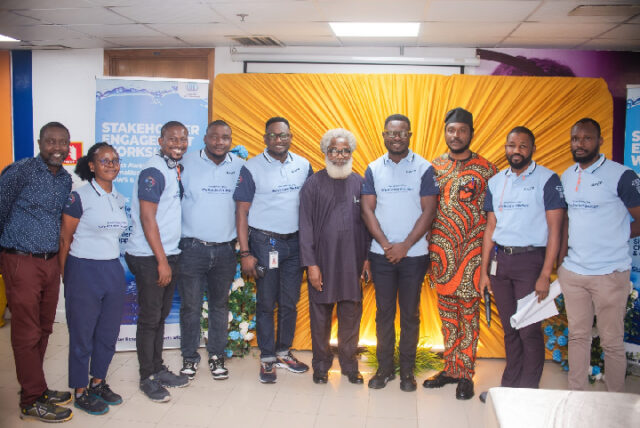
British American Tobacco Nigeria (BATN) has reaffirmed its commitment to improving public health and societal well-being through sustainable water stewardship, stressing that access to clean water remains central to community resilience and quality of life.
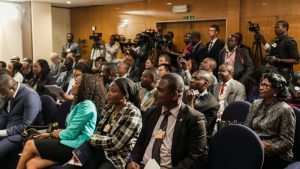
The pledge was highlighted at a recent multi-stakeholder workshop hosted at the company’s Ibadan factory, which brought together government officials, industry leaders, and community representatives to deliberate on strategies for improving water access, management, and sustainability.
Speaking at the event, Operations Director, BAT West and Central Africa, Hasnain Ishtiaq, said:
“This workshop reflects our strong belief that healthier communities can only be achieved when we work together, share knowledge, and commit to collective action in protecting our water resources.”
In his presentation, Sustainability Operations Manager, BAT West and Central Africa, Dr. Adesuyi Adeola, revealed that BATN has made strides in aligning its water management system with the Alliance for Water Stewardship Standard. He disclosed that the company’s wastewater treatment facility, with a 50 m³ capacity, recycled over 14,000 m³ of water in 2024. He added that the company had successfully reduced water withdrawals while increasing recycling moves that safeguard water for both industrial use and community access.
Adeola stressed that responsible water management goes beyond environmental gains, noting that “every litre of water saved or recycled contributes to better sanitation, improved hygiene, and healthier lives for surrounding communities.”
Representing the Ministry of Environment and Natural Resources, Director of Water Resources, Bode Olugbemiga, commended the initiative and assured participants that government remains committed to rehabilitating public water infrastructure to bridge access gaps.
The workshop, themed “Collaborating for Sustainable Water Stewardship”, featured interactive sessions where stakeholders emphasized the link between clean water, disease prevention, and long-term societal well-being. Participants including the Manufacturers Association of Nigeria, the National Environmental Standards and Regulations Enforcement Agency, and other regulators called for stronger partnerships to ensure that water stewardship becomes a shared responsibility.
The event concluded with a unified call for all stakeholders to serve as ambassadors of clean water access, underscoring its role in preventing disease, improving livelihoods, and securing a healthier, more sustainable future for Nigerian communities.
[give_form id="20698"]