csrreporters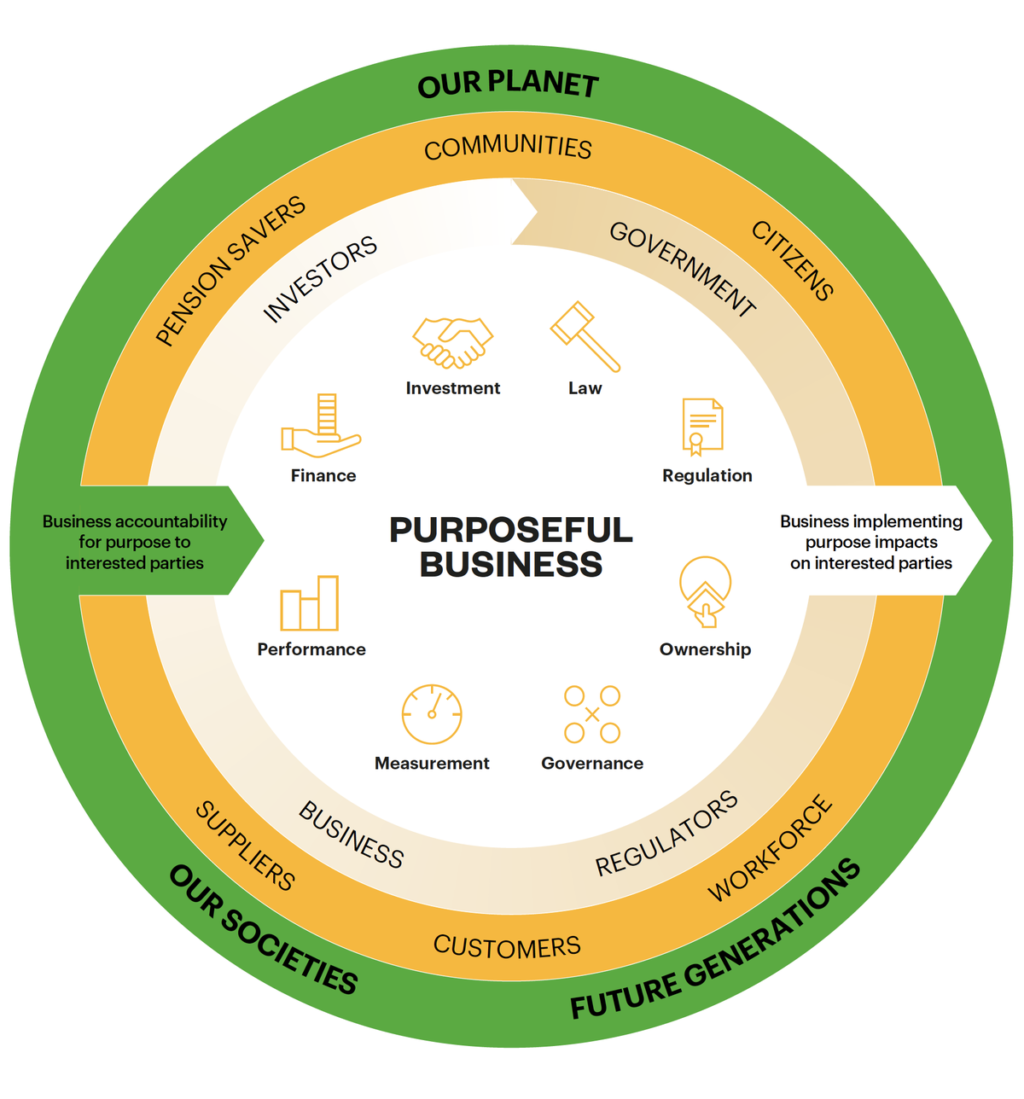
Beyond CSR: Redefining Corporate Accountability in Today’s Business Environment
Eche Munonye
For decades, Corporate Social Responsibility (CSR) has been the language through which businesses demonstrated social awareness and goodwill. Annual donations, community projects, and glossy sustainability reports became familiar signals of responsible corporate citizenship.
Yet across markets globally—and increasingly in Africa—CSR is no longer enough.
Communities are asking tougher questions. Regulators are demanding clearer evidence. Investors want assurance that impact claims are real. Employees and consumers are holding brands to account in real time, amplified by social media and heightened public awareness.
In today’s business environment, responsibility without accountability is rapidly losing credibility.
This shift marks a critical transition: from CSR as reputation management to corporate accountability as a core business obligation.
Understanding the Limits of Traditional CSR
Traditional CSR has often focused on inputs rather than outcomes:
- How much money was spent
- How many projects were launched
- How many beneficiaries were “reached”
While these metrics have value, they rarely answer deeper questions:
- Did the intervention solve a real problem?
- Was the community consulted before implementation?
- Were outcomes measured independently?
- What changed because the project existed?
In many cases, CSR became transactional, disconnected from core business risks, governance structures, or long-term development priorities. This gap has fuelled skepticism—particularly in emerging markets where development challenges are complex and trust in institutions is fragile.
The Rise of Corporate Accountability
Corporate accountability goes beyond good intentions. It requires companies to take responsibility for their decisions, impacts, and claims, and to subject those claims to scrutiny.
At its core, accountability asks three fundamental questions:
- Intent: Why was this intervention undertaken?
- Execution: How was it designed, delivered, and governed?
- Impact: What verifiable change did it produce?
Unlike CSR, accountability is not optional, cosmetic, or episodic. It is embedded in:
- Governance structures
- Risk management
- Stakeholder engagement
- Transparent reporting
- Independent verification
This evolution is reshaping how responsible business is defined.
Why Accountability Matters More Today
Several forces are accelerating this shift.
1. Stakeholder Expectations Have Changed
Communities, civil society, and the media are no longer passive recipients of CSR. They expect inclusion, consultation, and evidence. Token projects are quickly exposed.
2. ESG Has Raised the Bar
Environmental, Social, and Governance (ESG) frameworks link responsibility directly to performance, risk, and capital access. Weak accountability now carries financial consequences.
3. Trust Deficits Are Growing
In many African markets, public trust in institutions—both public and private—is under pressure. Accountability has become essential to maintaining legitimacy.
4. Regulation Is Catching Up
Governments and regulators are increasingly demanding disclosure, compliance, and measurable outcomes, particularly around environmental and social impacts.
From Philanthropy to Responsibility
One of the most important shifts in corporate accountability is the movement away from philanthropy-led CSR.
While philanthropy has a role, it cannot substitute for:
- Responsible operations
- Ethical supply chains
- Environmental stewardship
- Fair labour practices
- Transparent governance
True accountability requires companies to examine how they make money, not just how they give it away.
In Africa, this distinction is critical. Development challenges are systemic. They demand interventions aligned with local needs, public policy priorities, and long-term sustainability—not one-off gestures.
What Corporate Accountability Looks Like in Practice
Accountability is not abstract. It is practical, structured, and measurable. Leading organisations are demonstrating this through:
- Stakeholder engagement: Consulting communities before designing interventions
- Needs assessments: Basing projects on evidence, not assumptions
- Impact assessments: Measuring outcomes, not just activities
- Independent documentation: Allowing third-party verification
- Transparent reporting: Sharing successes, limitations, and lessons learned
This approach builds credibility because it accepts scrutiny rather than avoiding it.
Africa’s Accountability Moment
Africa stands at a pivotal moment.
As capital flows increase, infrastructure expands, and private sector influence grows, the expectations placed on corporations will continue to rise. Businesses that fail to adapt risk reputational damage, regulatory backlash, and loss of social licence to operate.
Conversely, organisations that embrace accountability can:
- Strengthen stakeholder trust
- Improve policy relationships
- Attract responsible investment
- Build resilient, long-term brands
Accountability is no longer a compliance exercise. It is a competitive advantage.
The Role of Independent Platforms
A critical component of accountability is independent scrutiny.
Credible documentation, balanced reporting, and evidence-based analysis help separate real impact from public relations. Independent platforms play an essential role in:
- Interrogating claims
- Amplifying beneficiary voices
- Highlighting best practices
- Exposing gaps and lessons
This ecosystem strengthens both corporate performance and public trust.
Conclusion: Accountability Is the New Standard
CSR is not obsolete—but it is incomplete.
In today’s business environment, corporate accountability is the new benchmark of responsibility. It demands intent, transparency, evidence, and willingness to be held to account.
For African businesses in particular, the message is clear:
The future belongs to organisations that move beyond CSR spending and commit to measurable, accountable, and credible impact.
Doing good is no longer enough.
Being accountable is what truly matters.