csrreporters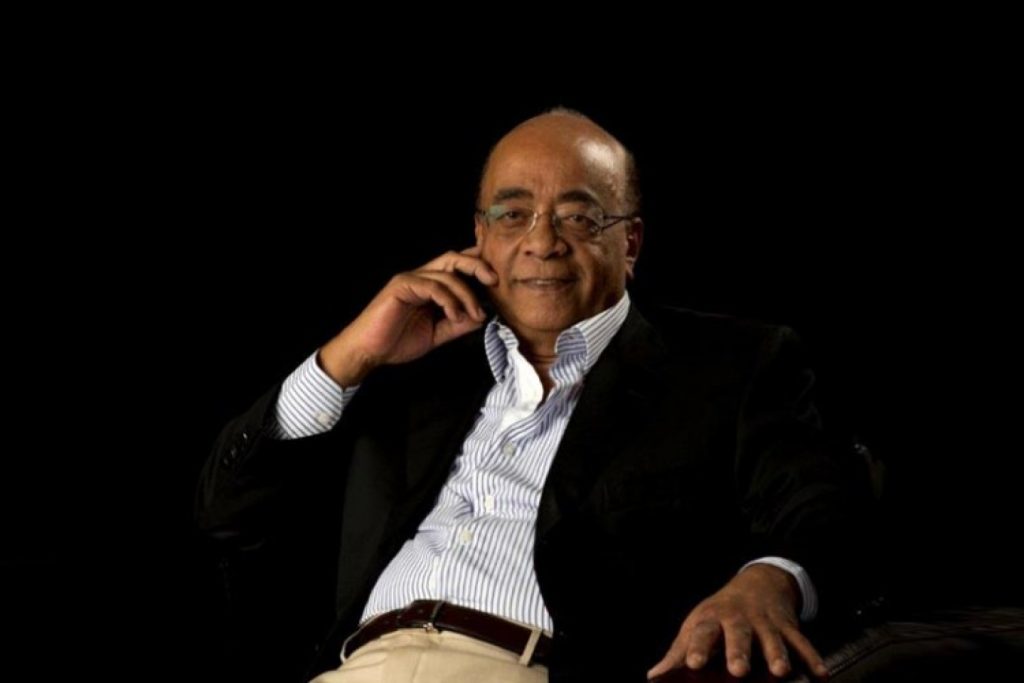
Africa’s Philanthropy Champions and the Impact They Delivered in 2025
Philanthropy in Africa is changing. Slowly, unevenly, but unmistakably.
In 2025, the continent witnessed a growing shift away from charity as spectacle toward philanthropy as structure—focused less on handouts and more on systems, institutions, and long-term outcomes.
This evolution matters deeply for corporate social responsibility. For years, CSR in Africa has borrowed the language of philanthropy without its discipline. Donations were made, photographs taken, press releases issued—yet communities remained sceptical, problems persisted, and trust continued to erode.
The philanthropy champions of 2025 offer a different lens. Not because they are flawless, but because their work reveals a pattern: scale, consistency, and institutional thinking matter more than visibility.
This feature groups 20 African philanthropy champions of 2025 by impact sector, highlighting what they delivered and what corporate CSR must learn from them.
1. Economic Empowerment & Entrepreneurship
Tony Elumelu (Nigeria)
Through entrepreneurship funding, training, and mentoring, Elumelu continued to redefine philanthropy as economic participation, not dependency.
Strive Masiyiwa (Zimbabwe)
Focused on digital inclusion and enterprise support, linking philanthropy with market access and long-term livelihoods.
Mohammed Dewji (Tanzania)
Invested in youth empowerment and SME development, recognising job creation as social stability.
Ashish Thakkar (Uganda)
Promoted youth entrepreneurship as a development strategy, not a CSR add-on.
Lesson for Corporate CSR:
Job creation and enterprise support outperform handouts. CSR that ignores livelihoods is incomplete.
2. Education & Human Capital Development
Femi Otedola (Nigeria)
Strengthened tertiary education through large-scale endowments, supporting institutions rather than isolated projects.
Jim Ovia (Nigeria)
Expanded access to higher education via scholarships tied to leadership development.
Patrice Motsepe (South Africa)
Used education and sports as tools for youth development and social cohesion.
Koos Bekker (South Africa)
Supported education and innovation ecosystems critical to long-term competitiveness.
Lesson for Corporate CSR:
Education investment must be systemic, sustained, and linked to national development outcomes.
3. Healthcare & Social Infrastructure
Aliko Dangote (Nigeria)
Focused on nutrition, health systems, and disease response at institutional scale.
Abdul Samad Rabiu (Nigeria)
Expanded healthcare infrastructure through structured, foundation-led intervention.
Aigboje Aig-Imoukhuede (Nigeria)
Targeted health system reform and capacity building, not just facilities.
TY Danjuma (Nigeria)
Delivered healthcare access in underserved regions through long-term commitments.
Lesson for Corporate CSR:
Healthcare CSR must strengthen systems, not substitute for government temporarily.
4. Governance, Institutions & Accountability
Mo Ibrahim (Sudan/UK)
Placed governance quality at the centre of African development, elevating leadership accountability.
King Mohammed VI (Morocco)
Advanced social infrastructure and poverty reduction through structured royal foundations.
Issad Rebrab (Algeria)
Linked philanthropy with job creation and national resilience.
Lesson for Corporate CSR:
Strong institutions matter. CSR cannot thrive where governance is weak or ignored.
5. Community Development, Inclusion & Social Welfare
Folorunso Alakija (Nigeria)
Supported community welfare with increasing emphasis on sustainability.
Osei Kwame Despite (Ghana)
Consistently invested in community development and youth initiatives.
Isabel dos Santos (Angola)
Focused on entrepreneurship and women’s economic participation.
Mo Dewji Foundation (Tanzania)
Institutionalised community investment across health and education.
Lesson for Corporate CSR:
Inclusion must be intentional. Communities are partners, not beneficiaries.
What Corporate CSR Must Learn From 2025’s Philanthropy Leaders
Across sectors, the strongest impact shared common traits:
- Clear intent, not publicity
- Long-term commitment, not one-off donations
- Measurable outcomes, not press releases
- Alignment with national and community priorities
- Institutional delivery, not personality-driven giving
For corporates, the implication is unavoidable:
CSR that remains transactional, reactive, or cosmetic is no longer defensible.
From Generosity to Responsibility
Africa’s philanthropy champions in 2025 proved that impact is not about how much is given, but how responsibly it is delivered. Their work raises the bar for corporations, regulators, and development actors alike.
As Africa confronts complex social and environmental challenges, the question is no longer whether companies can afford to do the right thing. It is whether they can afford not to.
At CSR REPORTERS, we will continue to document, analyse, and hold the ecosystem to higher standards—because charity may be optional, but accountability is not.
[give_form id="20698"]